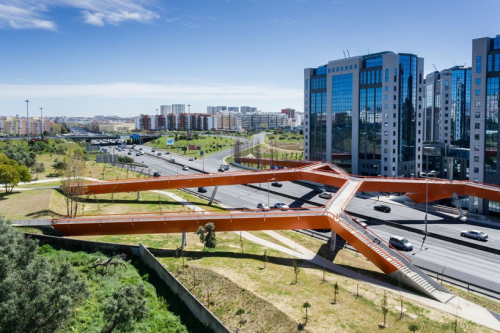
Architectural reference site praised the dynamism of the orange bridge found in Telheiras.
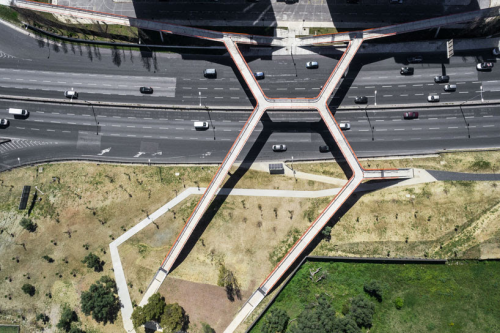
The orange bridge that connects Telheiras to the Torres de Lisboa was voted one of the 10 best in the world by the website Designboom, a website on art, architecture and design that is already a reference in these areas.
According to the website, the fact that the bridge is positioned on a busy highway with no columns on the road and promotes physical exercise, with ramps, stairs and spaces for bicycles, are advantages that differentiate it.
The use of side beams instead of columns in the center is also highlighted by the architecture website. The bridge is a project by Maximina Almeida + Telmo Cruz and was inaugurated in 14th February 2015.
Designboom refers to the bridge as a dynamic structure that promotes a healthy lifestyle.
In addition to the Portuguese bridge are also at the top:
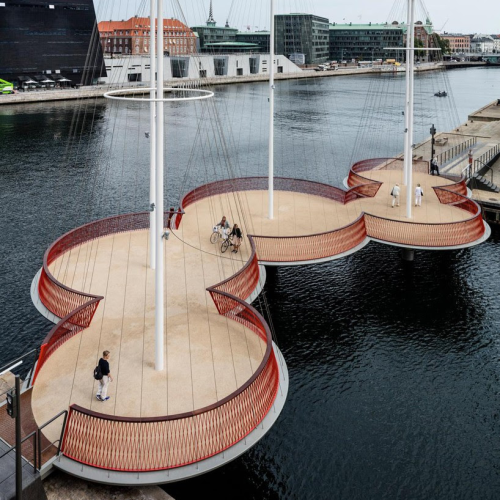
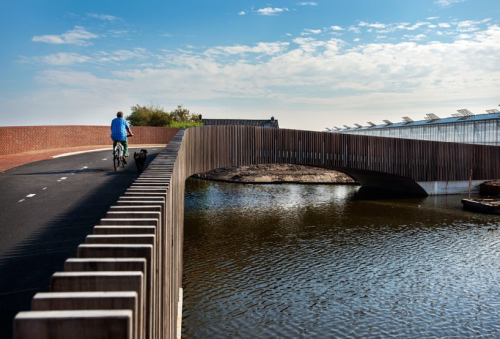
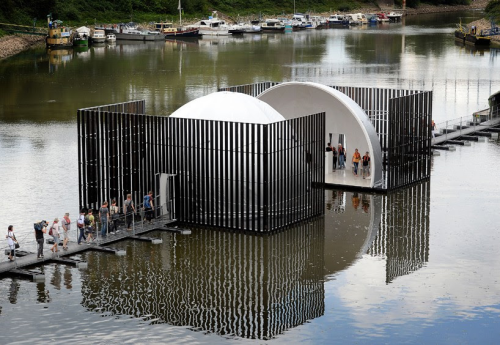
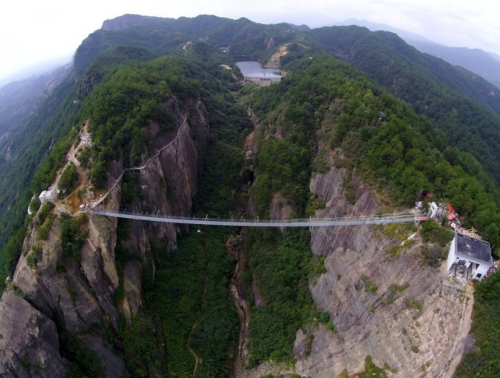
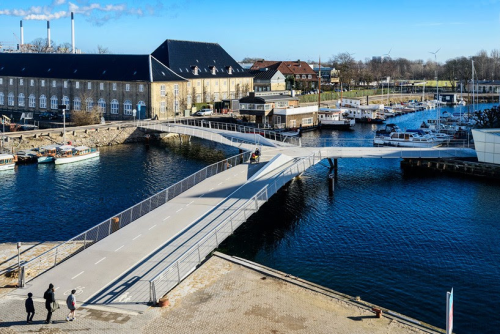
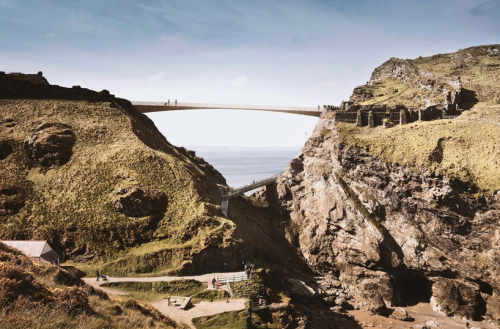
The Cirkelbroen Bridge in Copenhagen, Denmark.The iron bridge that was created using 3D printing technology. This bridge is placed in the center of Amsterdam, Holland.The Danjiang Bridge in Taiwan.The “Bat” Bridge, in Monster, Holland, which was built to be a bat shelter.The Nomanslanding Dome Bridge, a movable bridge built for the Ruhrtriennale Festival in Germany. The sphere in the middle of the bridge can be separated into two, making it a point to watch the water or cross.The Nine Elms Bridge to Pimlico, which is still a project, will be the first bridge without cars, only for pedestrians and cyclists, in London, England.The Glass Bridge in Shiniuzhai National Park, China. that allows to pass over the space between two precipices.The Butterfly Bridge in Denmark. The name of the bridge is explained by the shape it takes when the two wings rise together or one at a time.And the bridge of the project of the company Niall Mclaughlin Architects, in the competition for the construction of a passage on the coast of Cornwall, in the United Kingdom, next to Tintagel Castle, opened on august 2019.
This is based on an e-mail I received a few years back, so I had to search for the nowadays bridges! Do not know the original author, but I thank him/her/it for the amazing information!
Until 1910, the head of state in Portugal had the title of King of Portugal and of the Algarves, D’Áquem and D’Álem Mar in Africa, etc. That same year, after the republican coup d’état, the Kingdom of Portugal was abolished, but interestingly, by mistake, they did not abolish the Kingdom of the Algarve, so, presumably, it would still be in the current constitutional order.
Since the Algarve is an admittedly Portuguese province at least since the reign of D. Afonso III, why was it never formally included in the Kingdom of Portugal?
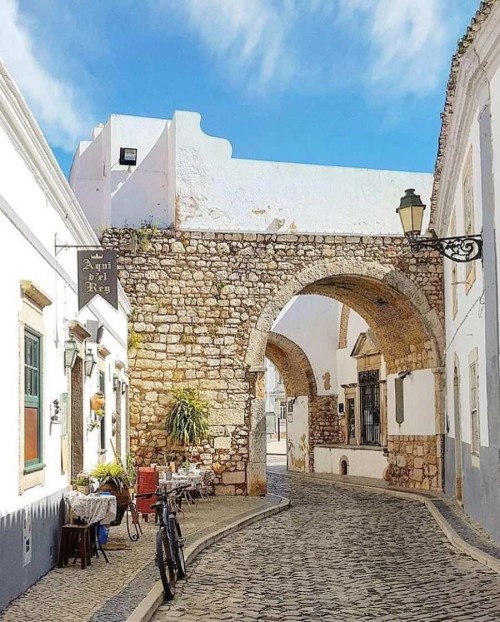
Faro
The Muslims’ Al-Gharb was not just the Algarve with today’s borders. The Al-Gharb of Al-Andalus went from Coimbra (Kulūmriyya) to the borders of the Algarve today. At that time the Algarve was already a kingdom, in fact Silves (Xelb) was the capital of that kingdom and the Islamic Algarve of the time reached a high cultural and economic splendor that had been growing since Roman times.
The great Christian achievement that the history of Portugal tells us breaks with the reality of what was the Algarve at the time, and with what really happened. For more than five centuries (c. 711-1249), under the domination of Islamic, Arab and drinking peoples, Christianity also existed among the population of the Algarve. Mozambicans and Christians lived for centuries under Muslim governments.
Ferragudo
D. Afonso I (first king of Portugal), never set foot on the lands of the Algarve today, it was his son, D. Sancho I who in 1189 conquered Silves and proclaimed himself King of Silves and the Algarve, however he lost Silves to the Arabs in 1191, also losing the title. We could see that there was interest on the part of the kings in the conquest (reconquest), for the simple reason of increasing their kingdom, but the order of conquest was given by the Popes, and the Portuguese killed in the name of God.
It took five Portuguese Kings and the help of the Crusaders to, for more than a century of wars, conquer Al-Gharb from Muslims, from 1139 to 1249 (One hundred and ten (110) years). Even, from 1189 of the conquest of the great City of Silves by D. Sancho I, until 1249 of the conquest of D. Afonso III, it took seventy-eight years (78 years) to conquer the borders of today’s Algarve (the raisins of the Algarve).
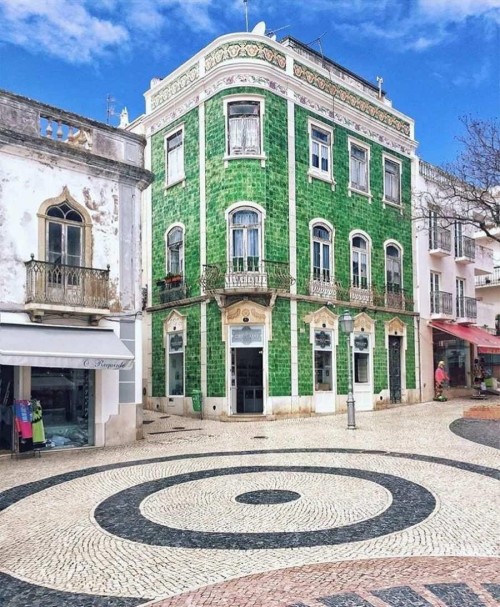
Lagos
After the King of Leon and Castile conquered Seville in November 1248, he made D. Afonso III take the decision to launch the last offensive to the south. Both Kings of Spain and Portugal coveted these rich lands of Al-Gharb. In the spring of 1249 Portuguese troops arrived in the coastal city of Santa Maria de Faro. There were no attacks or bloody invasions. D. Afonso III made only one agreement with the Moors, establishing the following: he gave them the same laws in all matters, they could keep their houses and their assets and the King promised, to defend them and help them against other invaders. Those who wanted to leave could go freely and take their goods. Moorish horsemen who remained would become his vassals, and would respond when called, and the King should treat them with honor and mercy.
It was in this way that D. Afonso of Portugal and the Algarve “attacked” Faro. At the end of 1250, the last Muslim bastions, in Porches, Loulé and Aljezur surrender and accept the Portuguese alliance (it is not for nothing that a Christian king [D. Afonso III] and a Muslim still exist in the coat of arms of the Algarve cities).
Contemporary Portuguese authors and historians have always devalued the records of the true reconquest, causing history to be marked by a brave and victorious Portuguese conquest, by Moors who fled, and bloodbaths (an untrue story). The Spanish Kings considered that the Kingdom of the Algarve belonged to them because the King of Al-Gharb, Musa ibn Mohammad ibn Nassir ibn Mahfuz, Amir de Nieba, made a vassalage to King Afonso X of Spain. D. Afonso III married the daughter of the King of Spain, Dame Beatriz de Castela in 1253 with the intention of creating a bond of alliance (even married to Dame Matilde of Bologna). Only in 1267, with the Treaty of Badajoz, D. Afonso X de Leão e Castela granted the King of Portugal the Kingdom of the Algarve, making his grandson, D. Dinis, the heir to the Throne of the Algarve.
D. Dinis in 1293 created a market exchange with an interest in exports. Wine and dry fruits from the Kingdom of the Algarve were sold to Belgium and England, that’s how the idea for discoveries began to develop.
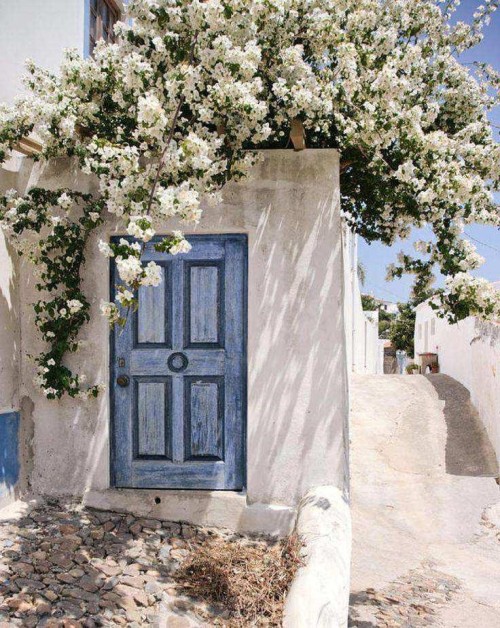
Aljezur
In 1415 the infants of Portugal invaded the city of Ceuta with the same vision of the “reconquest”, but with more reasons. The conquests in North Africa led the Kingdom of the Algarve to be called, from 1471 as Kingdom of the Algarve, and the first king to use the title was King D. Afonso V of Portugal and of the Algarve, d ‘Aquém and d’Além-Mar in Africa. It is not that there were two Algarves, but just one, with two territories (the one from here, and the one from over there on the sea). What actually existed was just an expansion of the Kingdom of the Algarve beyond the sea, since the Kingdom of Portugal ended up in the Alentejo.
The Kingdom of the Algarve in the history of Portugal is almost non-existent, most of the Algarve and Portuguese have never heard of this kingdom. There are authors who say that the Kingdom of the Algarve was in no way different from the rest of Portugal, but it is not so true. It is true that the laws of Portugal were for the Algarve, but they did not, and do not, have other habits and other customs, other traditions, making this land a great multi-cultural estate that is unmatched in any other land in Portugal .
The Kingdom of the Algarve was not an autonomous kingdom it is true, it was semi-autonomous separated by the Algarve hills, by the will of the Portuguese kings themselves (always appointing a governor for this royal Kingdom) and by an alliance with the citizens and Castile kings. Certain authors say that no Portuguese king was crowned or hailed as being only King of the Algarve, it is true, however the Portuguese Kings themselves wanted it to remain another kingdom apart, and these authors still forget that who founded the Kingdom of the Algarve were not the Portuguese kings. The only time that the Kingdom of the Algarve was abolished was in 1773 by D. José I (influences of the Marquis of Pombal), but his daughter, Queen D. Maria I, restores it.
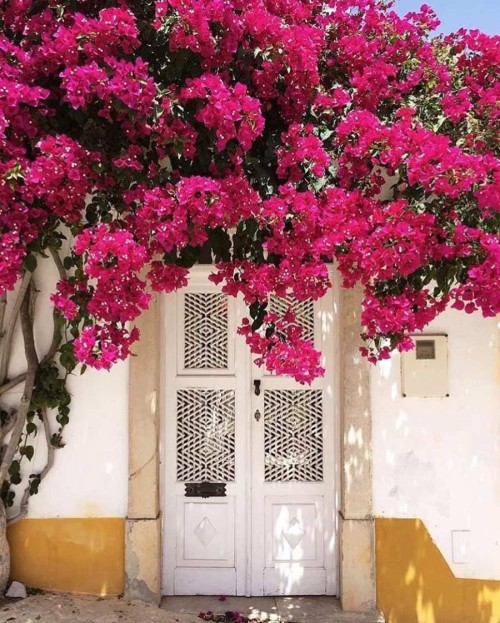
Tavira
The Kingdom of the Algarve encompassed all the African territories of the kings. We can also look at the island of Madeira as part of that kingdom, all the more so because D. Duarte donated to his brother Infante D. Henrique (Governor of the Kingdom of the Algarve), the archipelago of Madeira. Being extremely ironic, Madeira Island today is an autonomous (or semi-autonomous) region and the Algarve is not. What has always existed in Portugal was a United Kingdom of Portugal and the Algarve, as it still is today in Great Britain, with England, Wales, Scotland and Northern Ireland, united. Later in 1815 the Kingdom of Brazil was also part of that united kingdom (however Brazil’s independence is proclaimed in 1822).
The Kings of Leon and Castile (Spain) also used titles such as Kings of the Algarves, in fact, even today this happens. King Filipe VI is King of the Algarves due to the Spanish monarchical constitution of 1978.
In 1910, with the coup d’état on the part of the republicans, the 1st Portuguese Republic was proclaimed, in which the Kingdom of Portugal was abolished. Portuguese Republicans, however, forgot to abolish the Kingdom of the Algarve.








 Estranged Blog