The famous “Prego no Pão” dates back to the late 19th century

Why the hell do they call a loaf of meat NAIL (PREGO)?? A little popular culture to explain this to us.

The “Prego no Pão” or, in a literal translation, “Nail in the Bread”!

Who would have thought that the nail, or steak on bread, appears in Portugal at Praia das Maçãs?

“The real story is related to the name Manuel Dias Prego, one of the first inhabitants of Praia das Maçãs in the late 19th century, where he owned a tavern, Taberna do Prego. In this tavern Manuel Prego served fried veal slices or baked in tasty bread and accompanied by wine from the region.
The meat on bread quickly became a success in Praia das Maçãs and surroundings. It is said that it was in this place that José Malhoa painted his famous painting “Praia das Maçãs”. Who knows if savoring such a delicacy while painting!
Over the years, the name of the sandwich came to be commonly known as Prego, in honor of its creator, and in the beginning of the 20th century the recipe had already been copied to other places, and Prego started to be part of the menus of taverns across the country and not just in Sintra.”


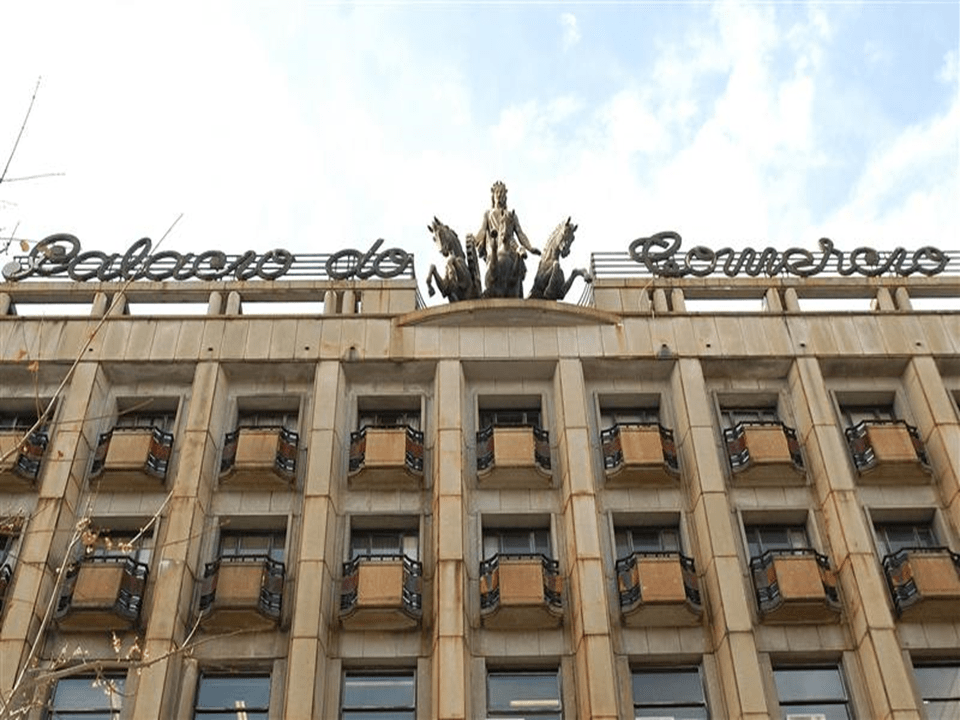
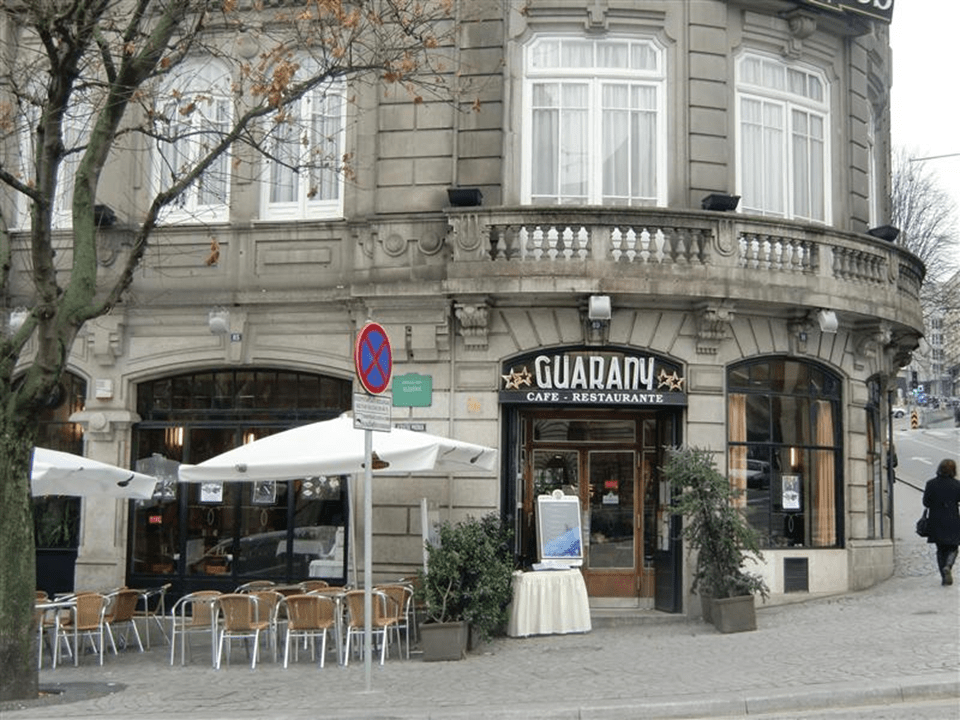
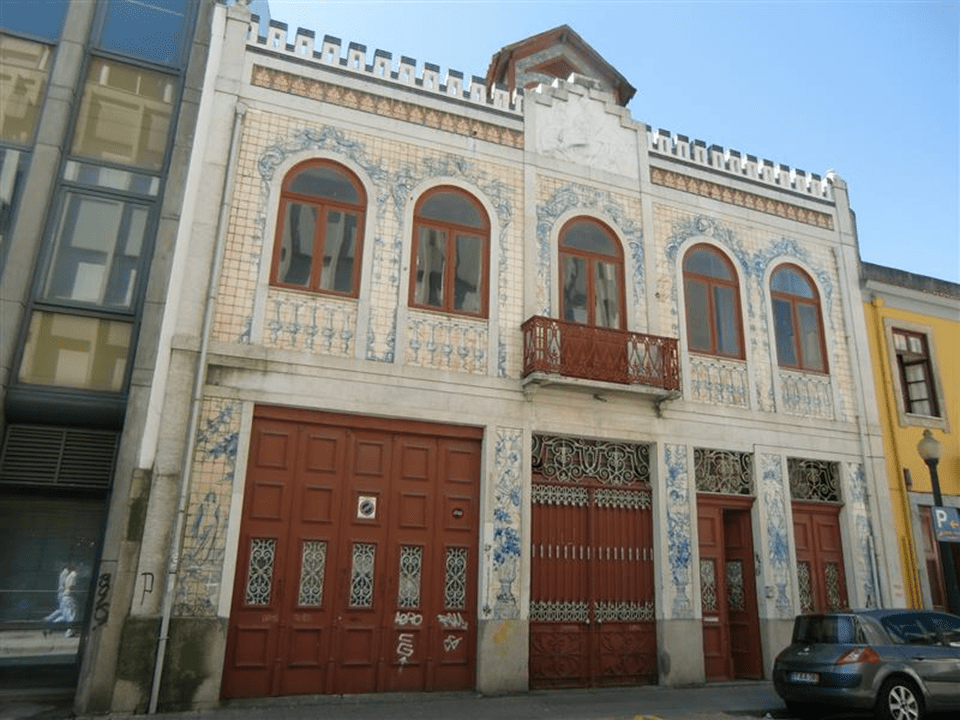
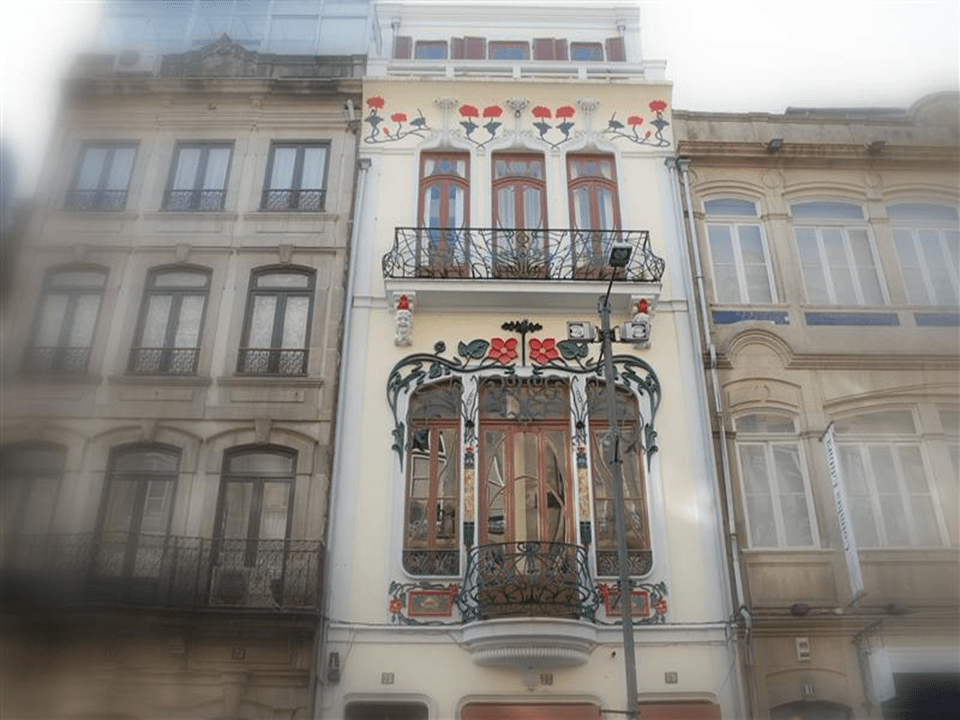
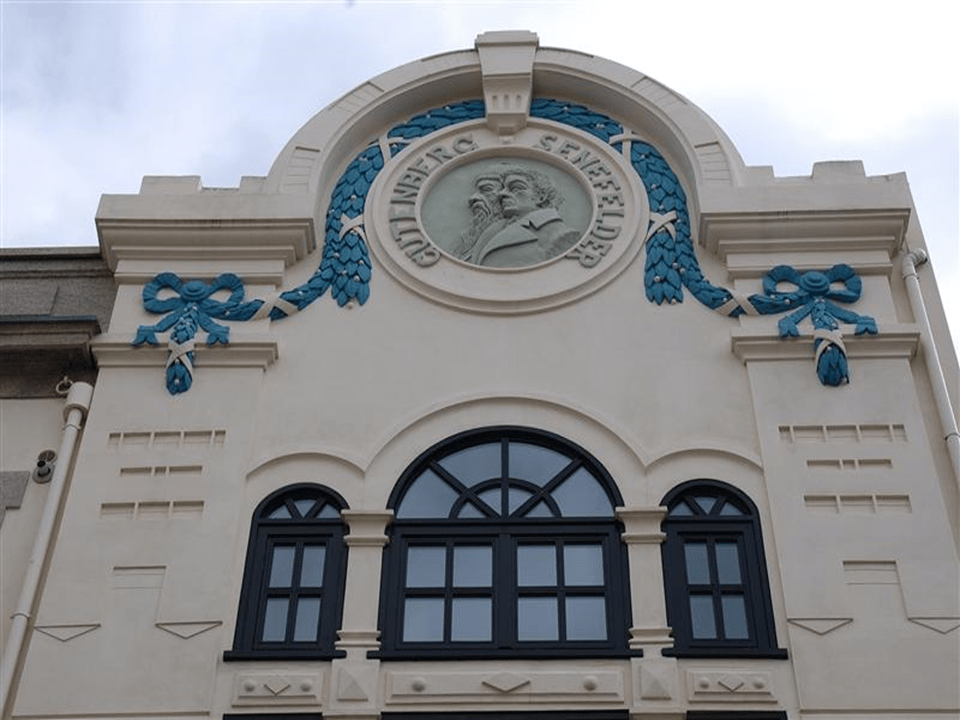
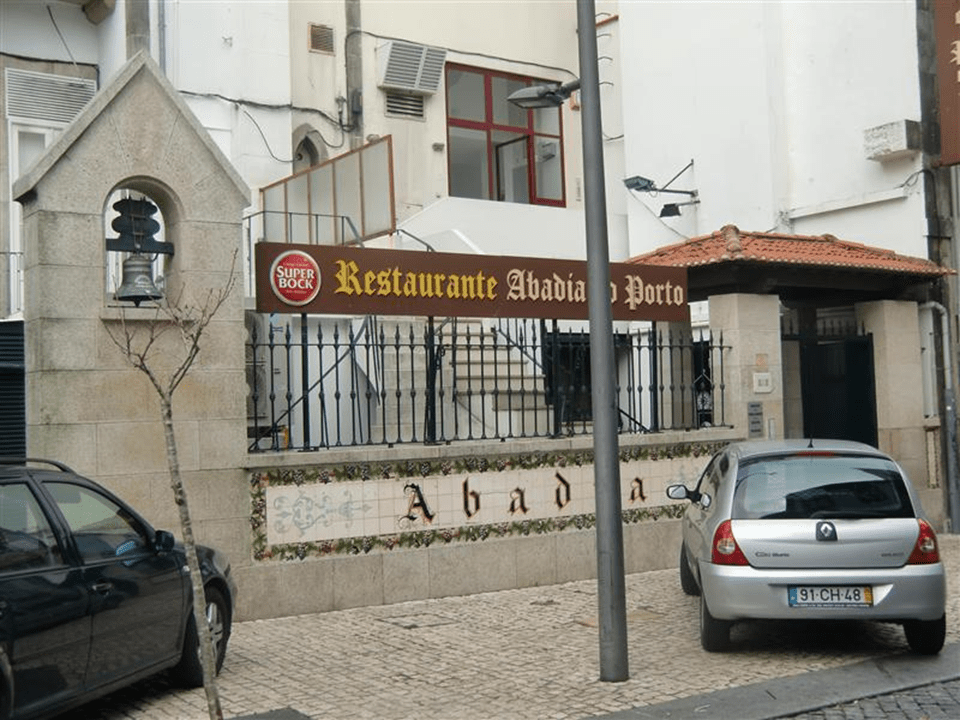
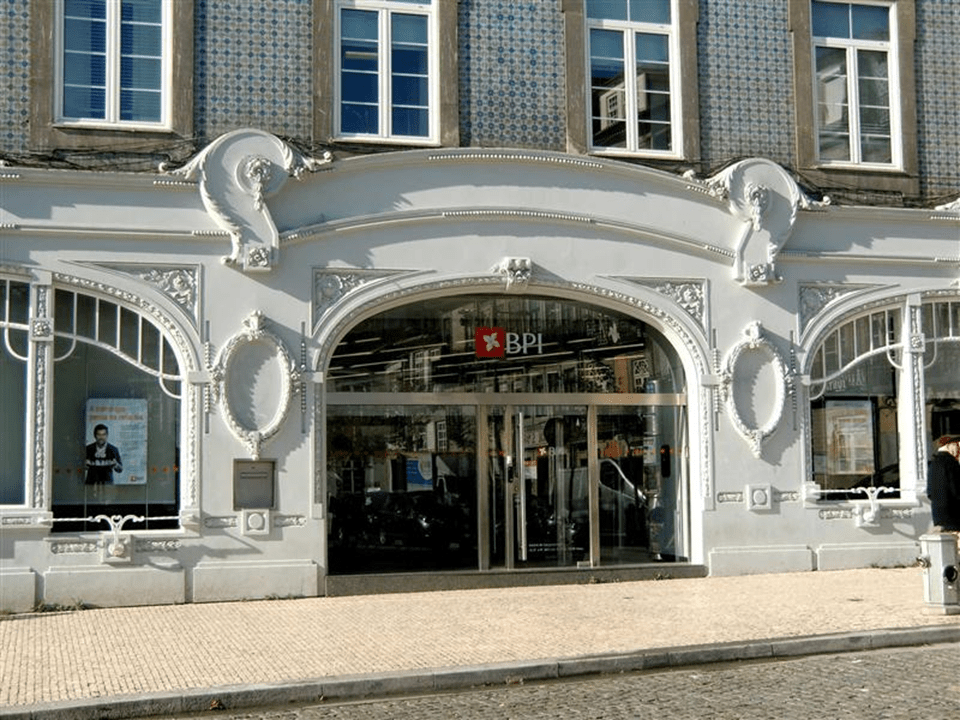
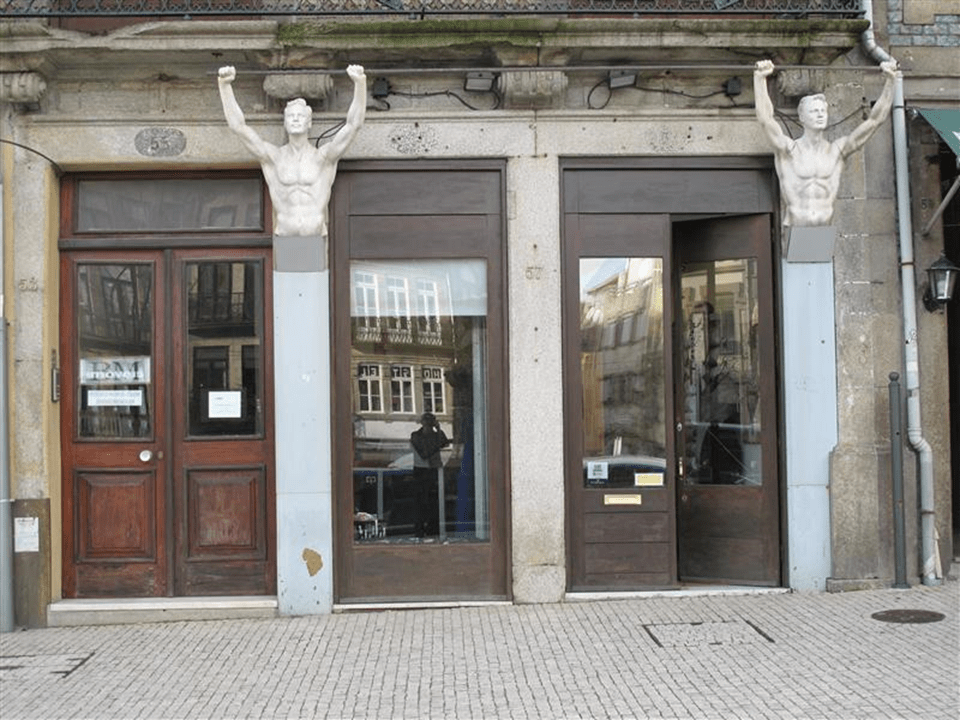
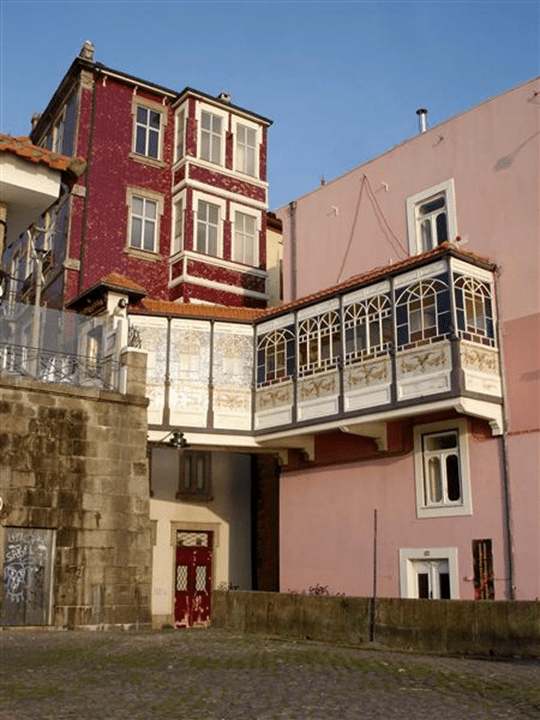
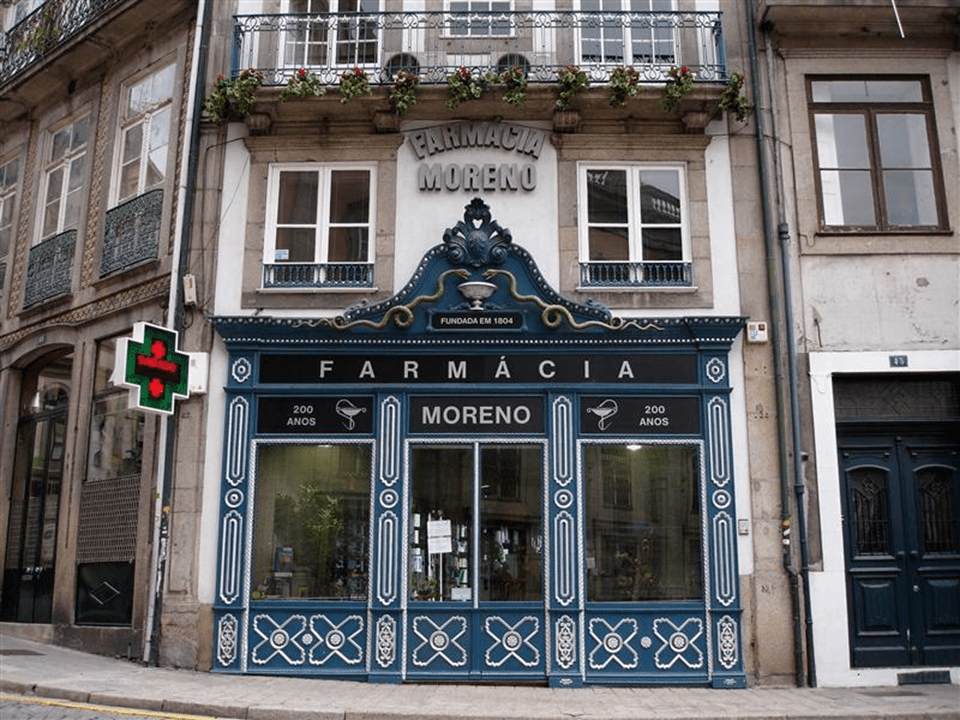
Oporto: Special houses

Lesser known details of the city of Oporto. Some special houses.
Rua 31 de Janeiro
Rua 31 de Janeiro
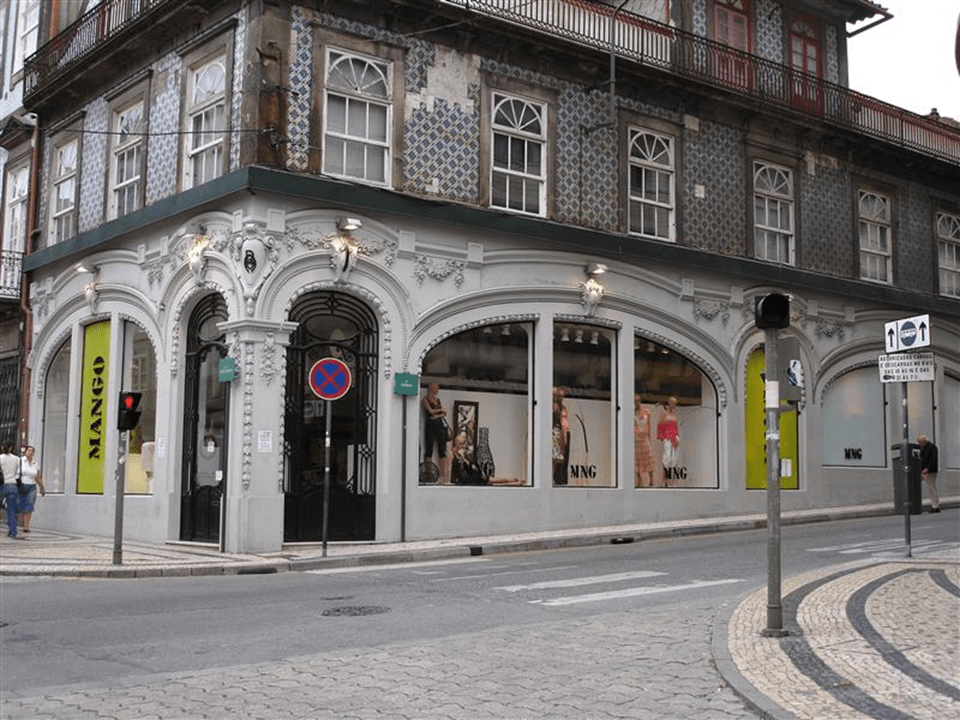
Corner of Rua 31 de Janeiro com a Rua de St.ª Catarina
Corner of Rua 31 de Janeiro com a Rua de St.ª Catarina (detail).
Corner of Rua de St.ª Catarina and Praça da Batalha (detail).
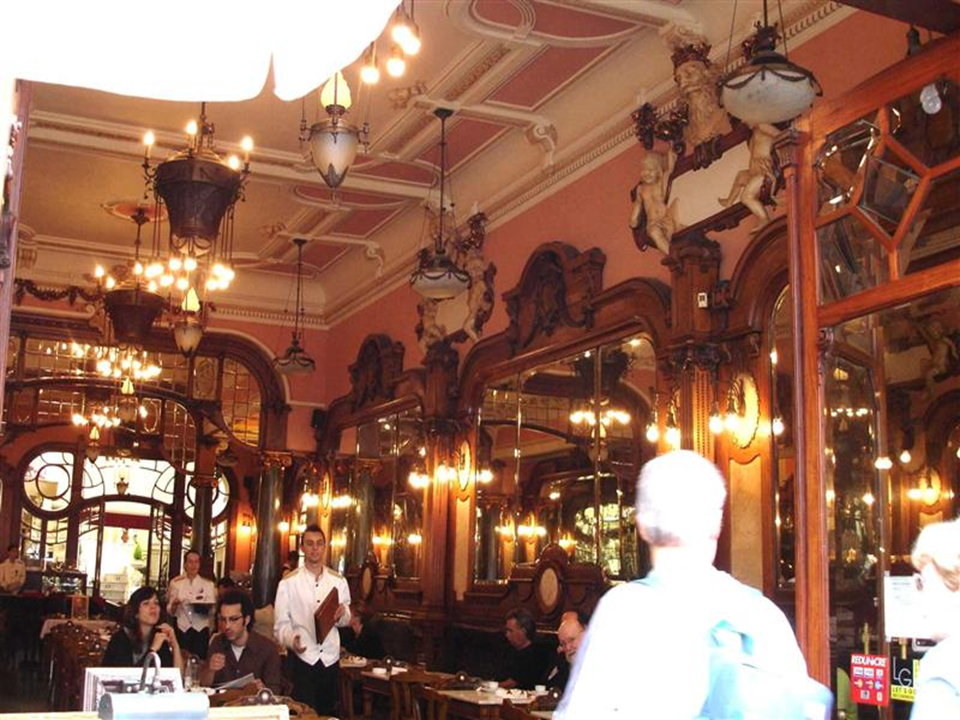
Rua de St.ª Catarina – Café Magestic
Rua de St.ª Catarina – Café Magestic (Interior)
Rua de St.ª Catarina – Grande Hotel do Porto
Rua de St.ª Catarina
Rua de St.ª Catarina – Hotel St.ª Catarina
Rua de St.ª Catarina – Via Catarina
Rua de St.ª Catarina – Edifício Paladium
Rua Duque de Loulé
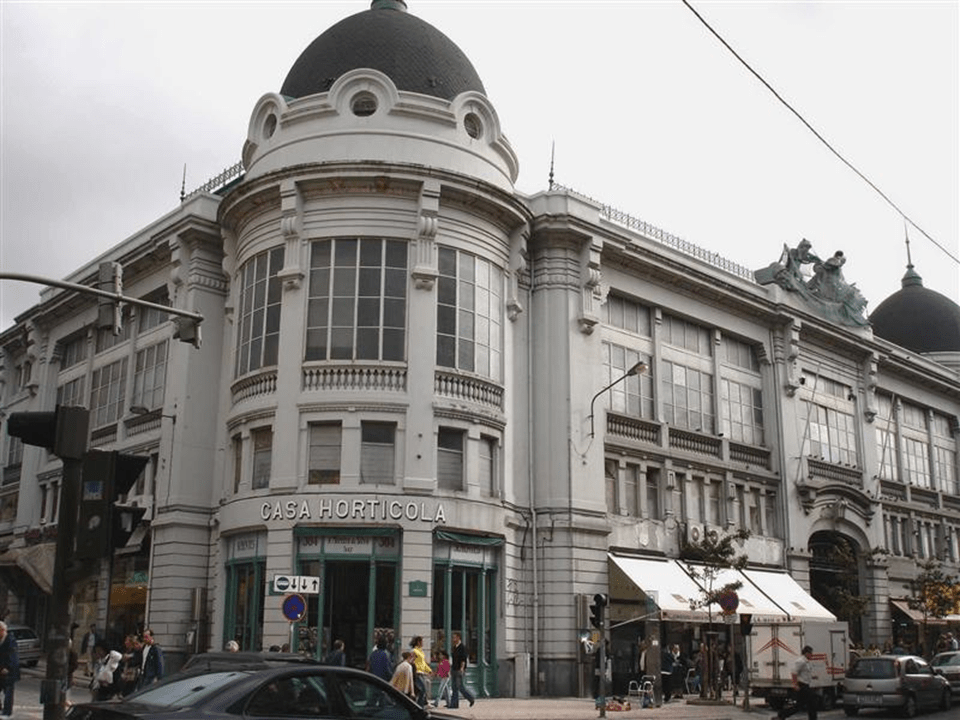
Rua Sá da Bandeira e Rua Formosa – Mercado do Bolhão
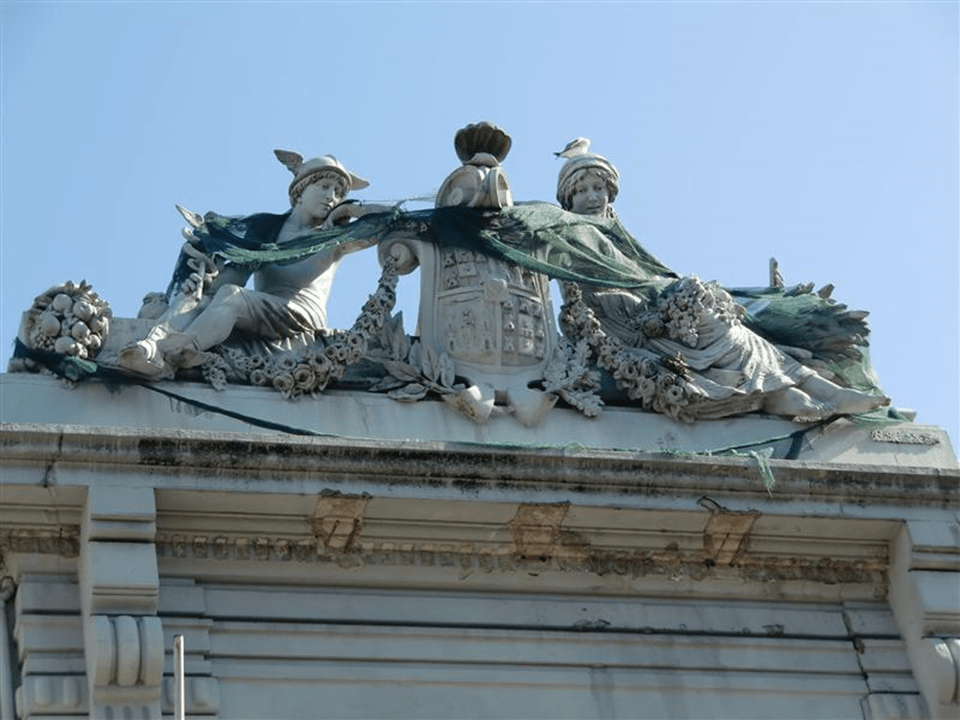
Mercado do Bolhão (detail)
Rua Sá da Bandeira
Rua Sá da Bandeira
Rua Sá da Bandeira – Café A Brasileira
Avenida dos Aliados
Rua Clube dos Fenianos – Edifício Sede dos Fenianos
Rua da Fábrica – Hotel Paris
Rua da Fábrica – Hotel Paris (detail)
Rua José Falcão
Rua dos Clérigos – Livraria Lello
Rua dos Clérigos – Livraria Lello (interior)
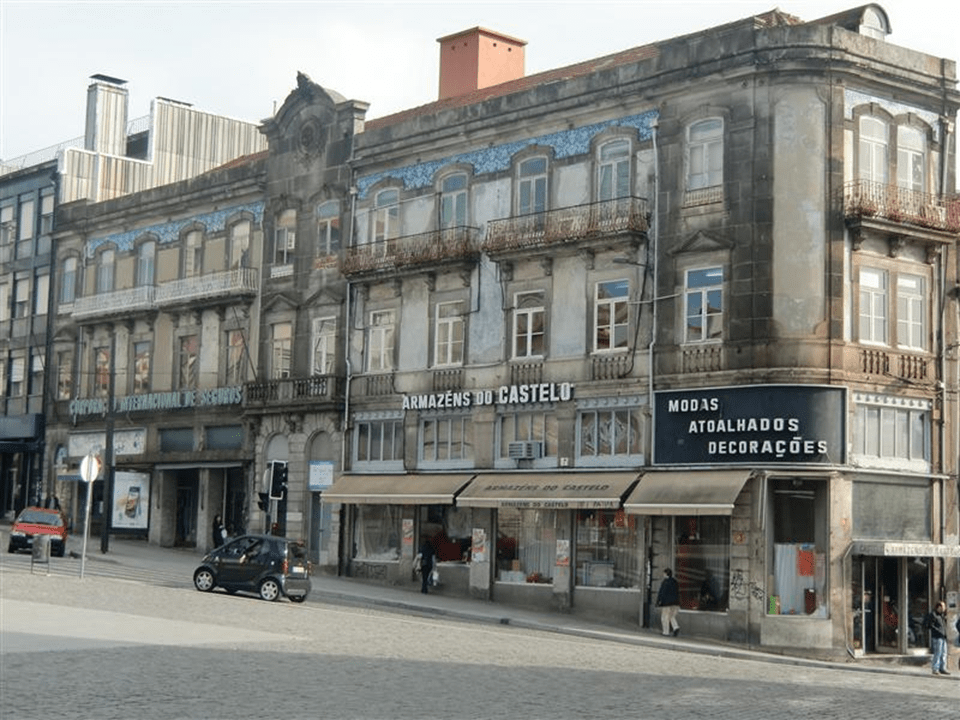
Rua dos Clérigos – Armazéns
Rua dos Clérigos – Armazéns (interior)
Rua Cândido dos Reis
Rua José Falcão
Travessa Passos Manuel
Praça Carlos Alberto
Praça do Coronel Pacheco
Praça de Mouzinho de Albuquerque
Praça Guilherme Gomes Fernandes
Praça de Parada Leitão
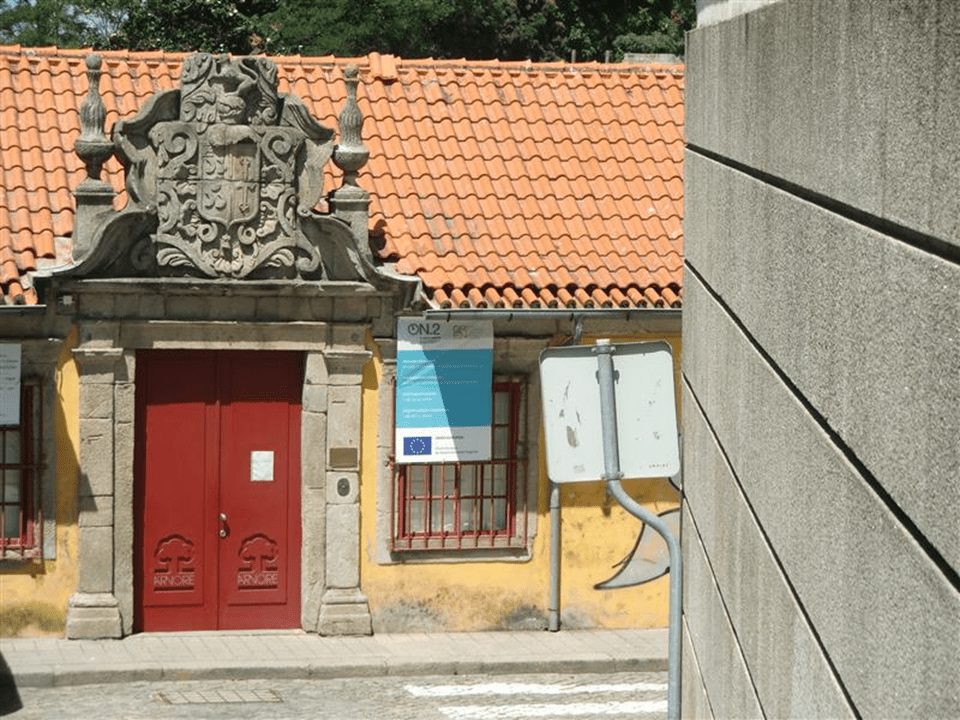
Rua Azevedo de Albuquerque – “Árvore”
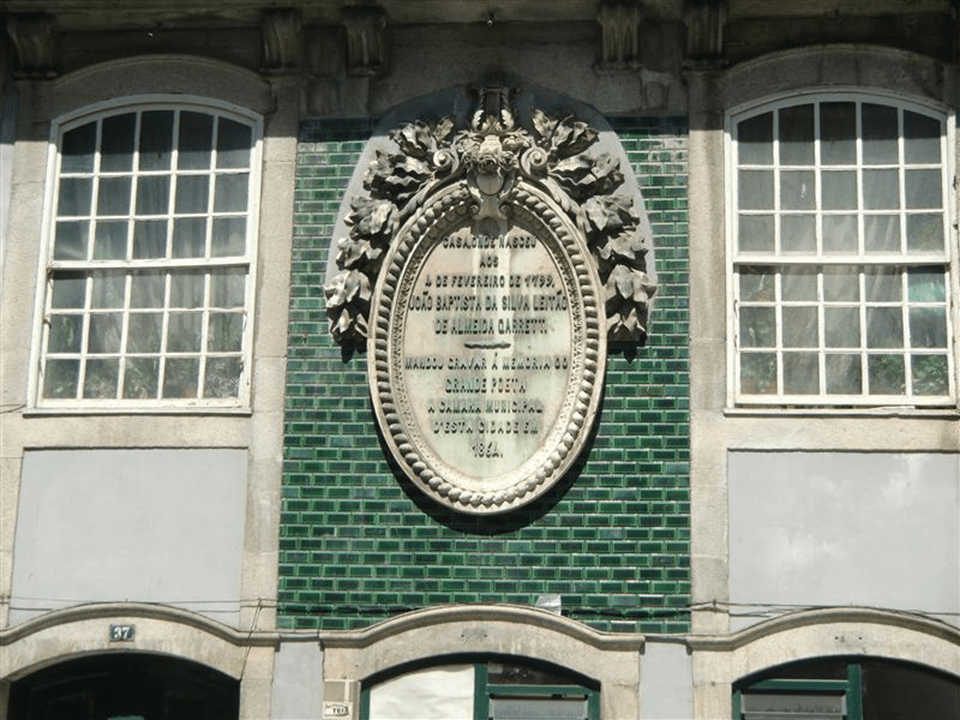
Rua Dr. Barbosa de Castro – Building where Almeida Garret was born
Rua de S. Miguel
Rua do Almada – “Pestanas”
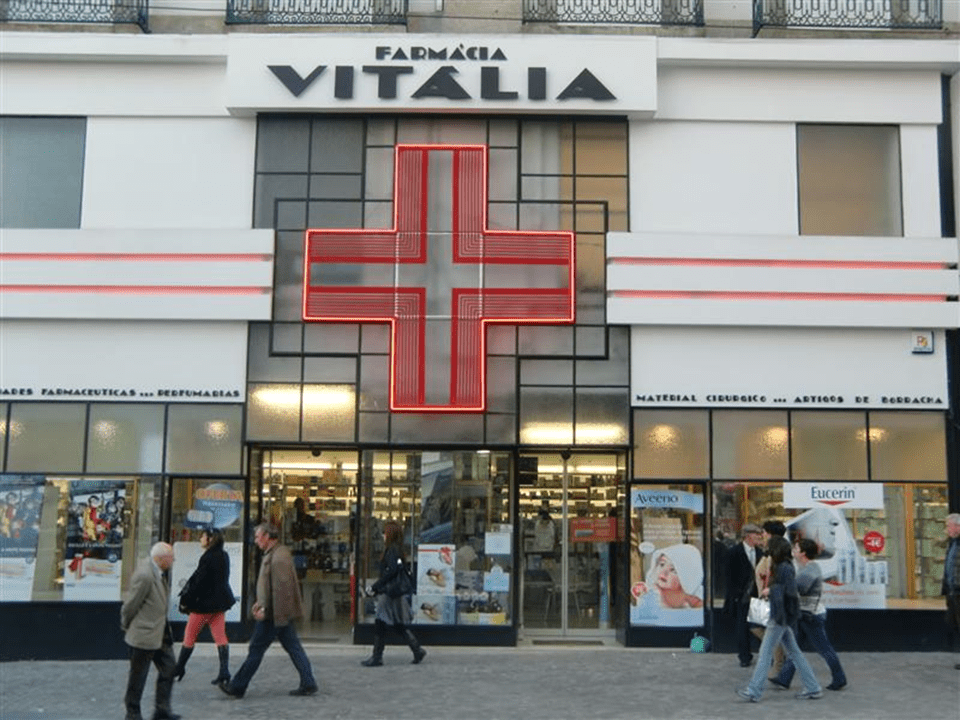
Passeio das Cardosas – Vitália
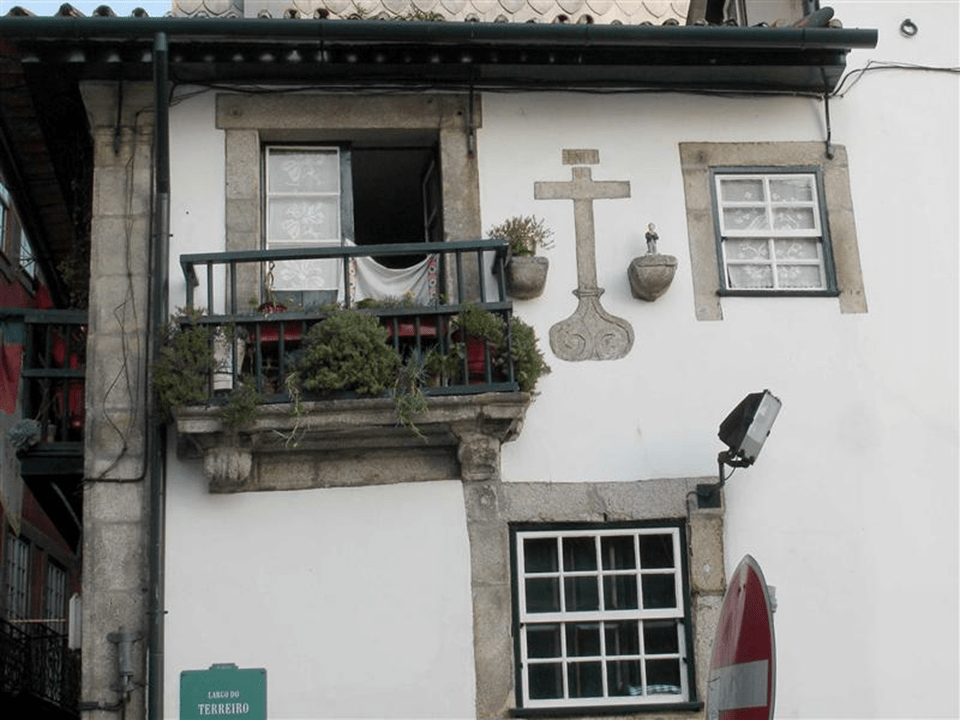
Largo do Terreiro (Ribeira)
Largo de S. Domingos
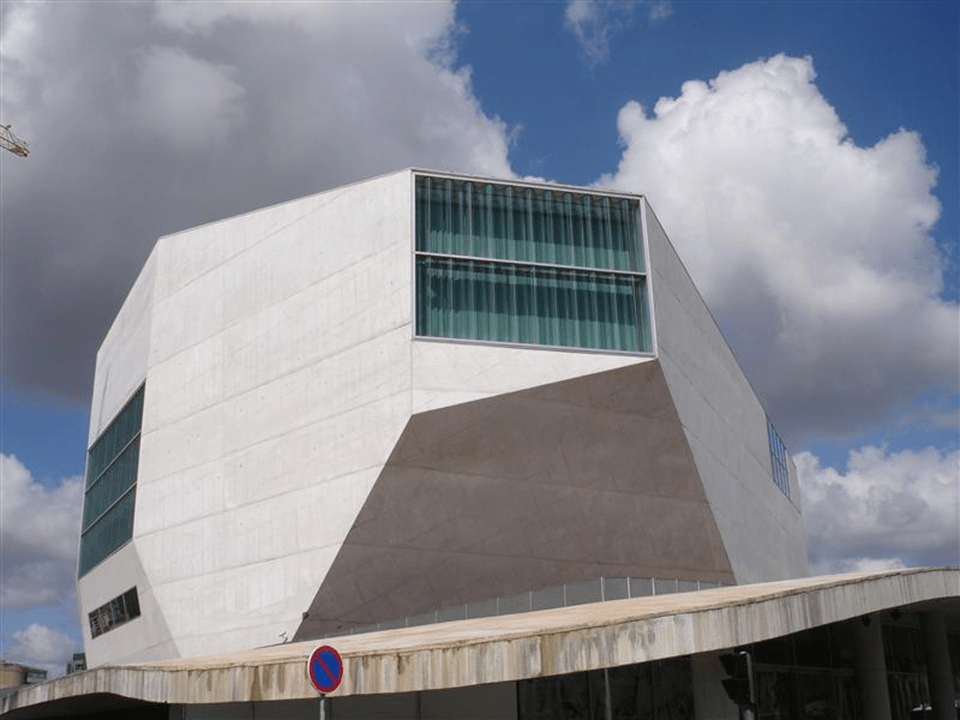
Praça Mouzinho de Albuquerque – Casa da Música
Largo do Terreiro (Ribeira)
Virtudes

Photos by @Ludan, taken from the PowerPoint that can be found here: https://www.slideshare.net/joaocouto/porto-pormenores

Thank you Ludan for giving us a glimpse of Oporto beauty and history!

Pray the emptiness

(…)

The emptiness brought on by a fear we didn’t know about and which now seems to be a tenant of our soul.

The emptiness of confined spaces.

The emptiness of life, suddenly suspended.

The emptiness of the hours that whoever is alone counts differently.

The emptiness of the uncertainties that pile up and which we have not yet talked about.

The emptiness of the eyes of those we see suffering and the emptiness of the many who suffer without us seeing it.

The emptiness of caregivers at the end of strenuous shifts.

The emptiness of those who had to remain exposed, day by day, so that others could be safe.

The emptiness of everything that, from one moment to another, was postponed.

The emptiness of that old woman who spends the day with her face pressed against the window.

The emptiness of the streets gives us a silence that is not a silence, but a kind of eviction from everyday life.

The emptiness of meetings and conversations.

The emptiness that friends sense.

The emptiness of laughter.

The emptiness of all HUGS not given.

(…)

José Tolentino Mendonça