The famous Italian diver, Enzo Majorca, swam in the warm waters of the Siracusa sea and chatted with his daughter Rossana, who had stayed on the boat.
Ready to submerge, he felt something tap lightly on his back. He turned and saw a dolphin. He realized then that he didn’t want to play, but to express something.
The animal dove and Enzo followed.
About 12 meters deep, trapped in an abandoned net, was another dolphin.
Majorca quickly asked her daughter to pick up her diving knives. In a few minutes the two managed to free the dolphin, which, at the limit of its strength, managed to emerge, emitting an “almost human scream” (so described Majorca).
A dolphin can only resist underwater for up to 10 minutes, then it drowns.
The freed dolphin, still stunned, was controlled by Enzo, Rossana and the other dolphin.
Then came the surprise: It was a dauphin, which soon gave birth to a baby.
The male circled them and, stopping in front of Enzo, touched his cheek (as if it were a kiss), in a gesture of gratitude… And they walked away.
Enzo Mallorca ended his speech saying: “Until man learns to respect and dialogue with the animal world, he will never be able to know his true role on this Earth.”
Do you find hydrogen peroxide not very useful? Well then, surprise yourself!
Invention purpose:
Cheap
Easy Transport
Easy Storage
Easy to use
No Side Effects
In a 3% solution, it is one of the most powerful disinfectants out there. Why is it so little publicized? No profit!
Why is it not publicized?
Competition with products developed by pharmaceuticals and domestic and hospital disinfectant industries.
Cheap
Simple to use
Easy storage
Can be used for many purposes.
The domestic effectiveness of hydrogen peroxide.
1. A dessert spoon of the product used for mouthwash and kept in the mouth for a few minutes, kills all oral germs, whitening the teeth! Spit after mouthwash.2. Keeping toothbrushes in a hydrogen peroxide solution keeps the toothbrushes free of germs that cause gingivitis and other oral problems.3. A little hydrogen peroxide on a cloth disinfects surfaces better than any other product. Excellent for use in kitchens and bathrooms.4. Meat boards and other utensils are completely disinfected after use with a little hydrogen peroxide. The product kills any bacteria or germs, including salmonella.5. Used with feet at night prevents chilblains and other fungi that cause major foot problems, including bad odors (foot odor).6. Used it on wounds (several times a day) prevents infections and helps with healing. Even cases of gangrene have regressed with its use.7. In a half-and-half mixture with plain water, it can be dripped into the nose in colds and sinuses. Wait a few moments and blow your nose. This kills germs and other harmful microorganisms.8. A little hydrogen peroxide in the bath water fights mycoses and other fungus and helps to keep the skin healthy.9. Clothes that need disinfection (sheets, diapers, etc.) or those in contact with bodily secretions and blood, can be completely disinfected if soaked in a solution containing hydrogen peroxide before normal washing.10. You will certainly find other ways to use hydrogen peroxide in your home.Made by: Mon Ville Alimentação Ltda
Wonders of modern architectureThe Cybertecture Egg – Mumbai, IndiaGrand Lisbon – Macau, ChinaBullring & Grand Central – Birmingham, United KingdomBMW Welt – Munich, GermanyMoPOP Museum (Museum of Pop Culture) – Seattle, USAMumbai Convention Centre – Mumbai, IndiaSage Gateshead – Gateshead, United KingdomUSAFA Cadet Chapel – Colorado, USAUniversum Bremen – Bremen, GermanyFuji TV Building – Tokyo, Japan30 St. Mary Axe aka The Gherkin – London, United KingdomLotus Temple – Delhi, IndiaNational Centre of the Performing Arts – Beijing, ChinaBanknote Building – Kaunas, LithuaniaPalais Bulles – Cannes, FranceThe Auditorio de Tenerife “Adán Martín” – Canary Islands, SpainThe Seashell House – Isla Mujeres, MexicoTorre Galatea – Figueres, SpainCurve House – Sopot, PolandTerracotta House – Leyva, ColombiaCathedral of Brasília – Brasilia, BrazilCape Romano Dome House – Florida, USAEarth House – Lostorf, SwitzerlandThe Eden Project – Cornwall, United KingdomChapel of the Holy Cross – Arizona, USADruzhba Holiday Center Hall – Yalta, RussiaPalais Idéal du Facteur Cheval – Hauterives, FranceOlympic Stadium – Montreal, CanadaNational Library of Republic of Belarus – Minsk, BelarusWonderWorks Pigeon Froge – Tennesse, USASteam World Museum – Gramado, BrazilThe Piano Building – Huainan, ChinaGreat Mosque of Djenné – Djenné, MaliChang Building aka Elephant Building – Bangkok, ThailandThe Dancing House aka Fred and Ginger – Prague, Czech RepublicKunsthaus Graz: Contemporary Art – Graz, AustriaLa Tête Carrée – Nice, FranceCasa do Penedo – Fafe, PortugalRipley’s Believe it or Not – Ontario, CanadaSnail House – Sofia, BulgariaHouse Attack – Vienna, AustriaHằng Nga Guesthouse – Da Lat, VietnamHabitat 67 – Montreal, CanadaSutyagin House – Anchangelsk, RussiaCube House – Rotterdam, NetherlandsHeliodyssee: Grand Four Solaire of Odeillo – Odeillo, FrançaFlintstone House – California, USARobert Harvey Oshatz – Oregon, USABunker House – Illinois, USABeijing National Stadium aka Bird’s Nest – Beijing, ChinaEND…
Breathtaking buildings, where architecture meets its zenith… But this is just a glimpse of architecture zenith in the World.
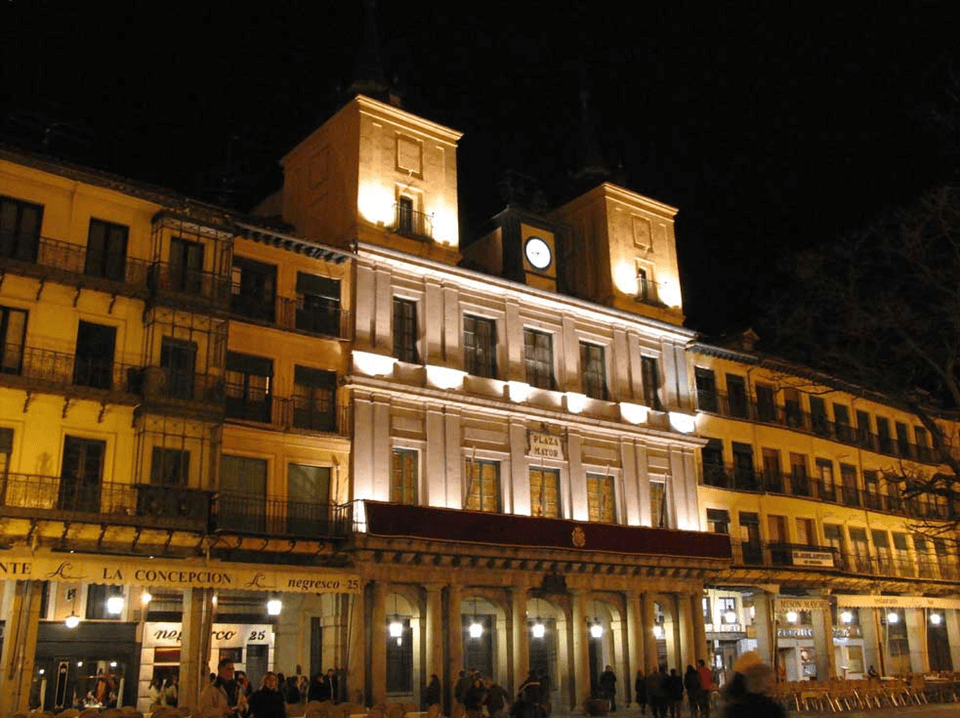
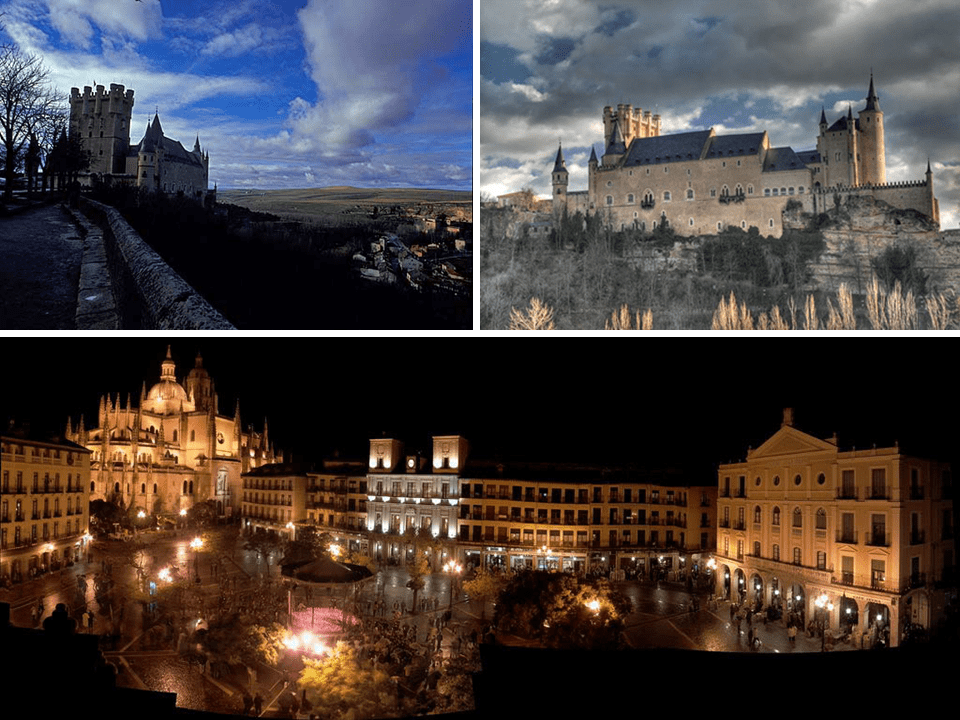
Segovia is a Roman aqueduct, a dreamlike fortress, a huge Gothic cathedral. Segovia is the best Romanesque, it is a set of medieval towns such as Pedraza, Sepúlveda, Turégano, Cuéllar, Ayllón or Maderuelo. It is a set of royal palaces such as that of La Granja de San Ildefonso and Riofrío. It is the province of the beautiful castles. It is the Sierra de Guadarrama and ski resorts. It is a source of suckling pig and roast lamb. Segovia is, in short, a melting pot of history, culture, art, traditions and beautiful landscapes.
THE CITY
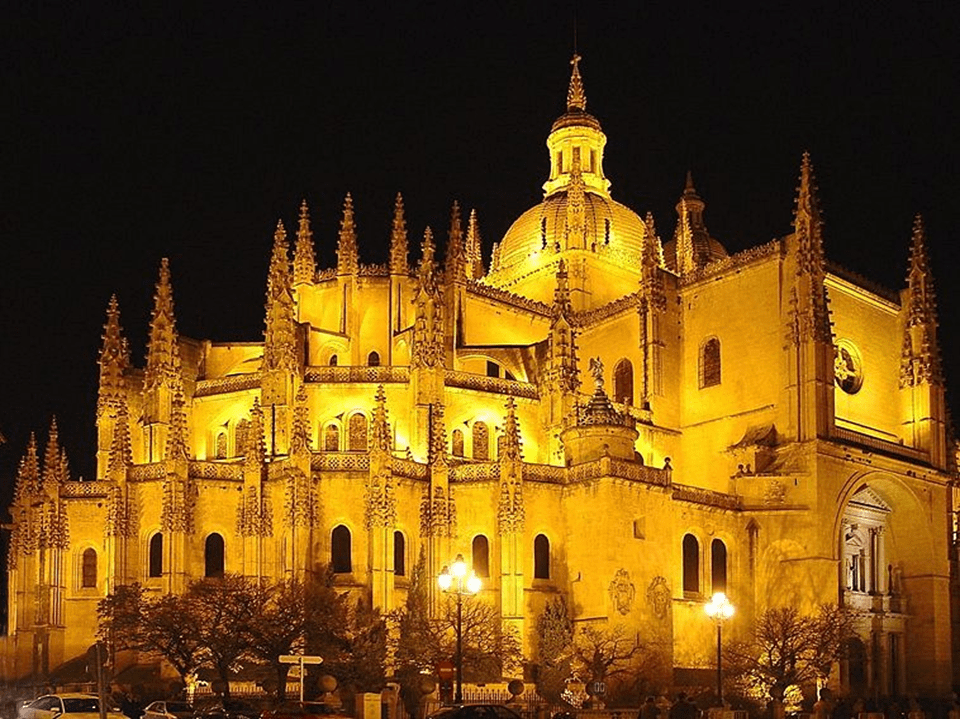
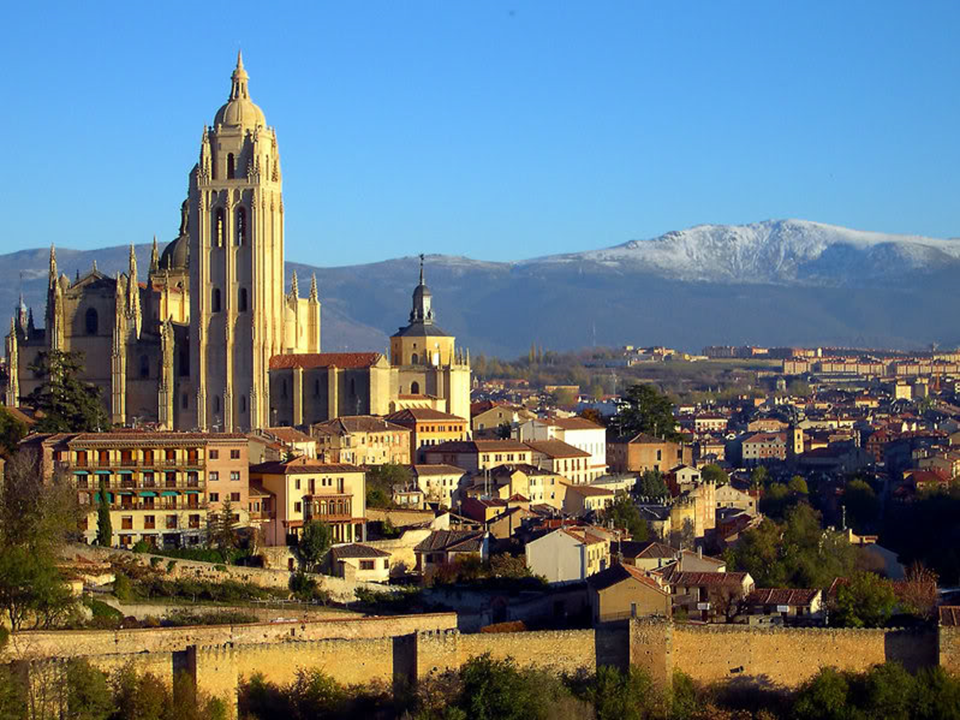
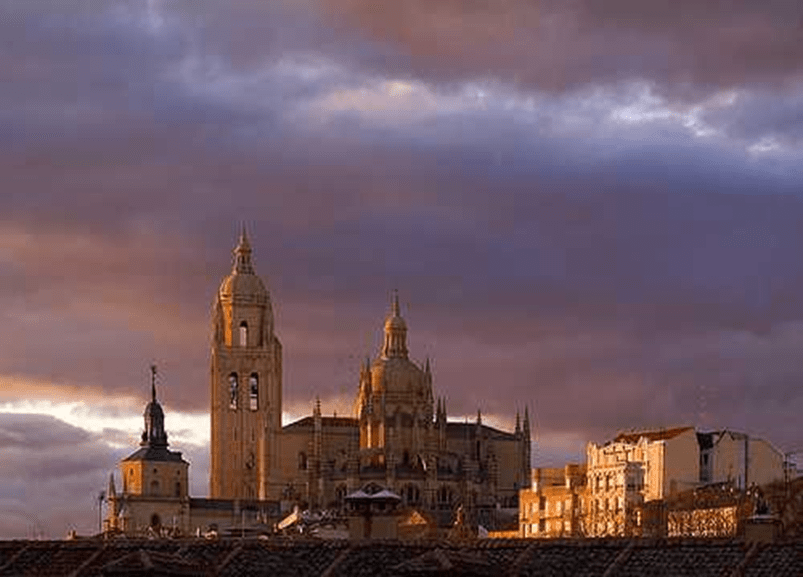
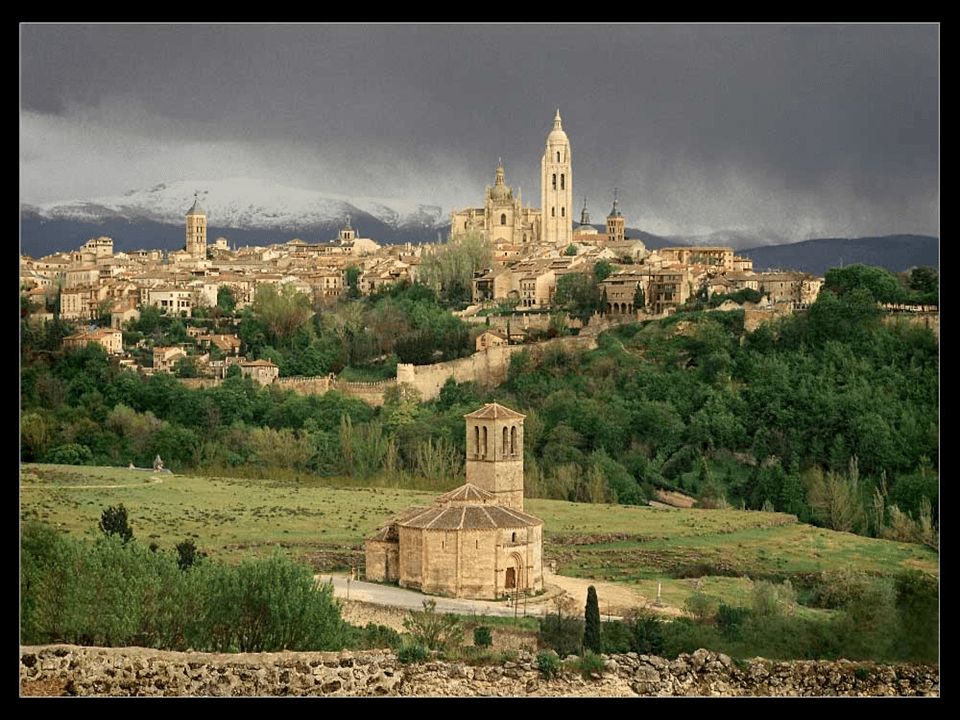
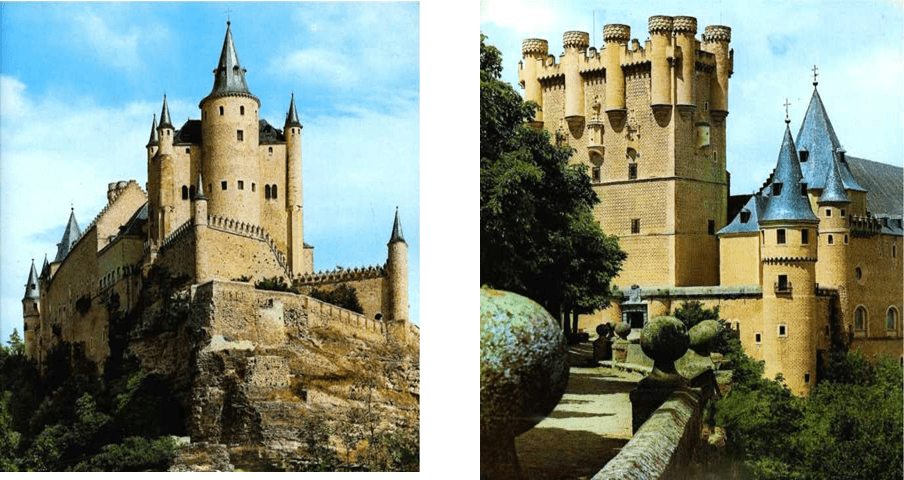
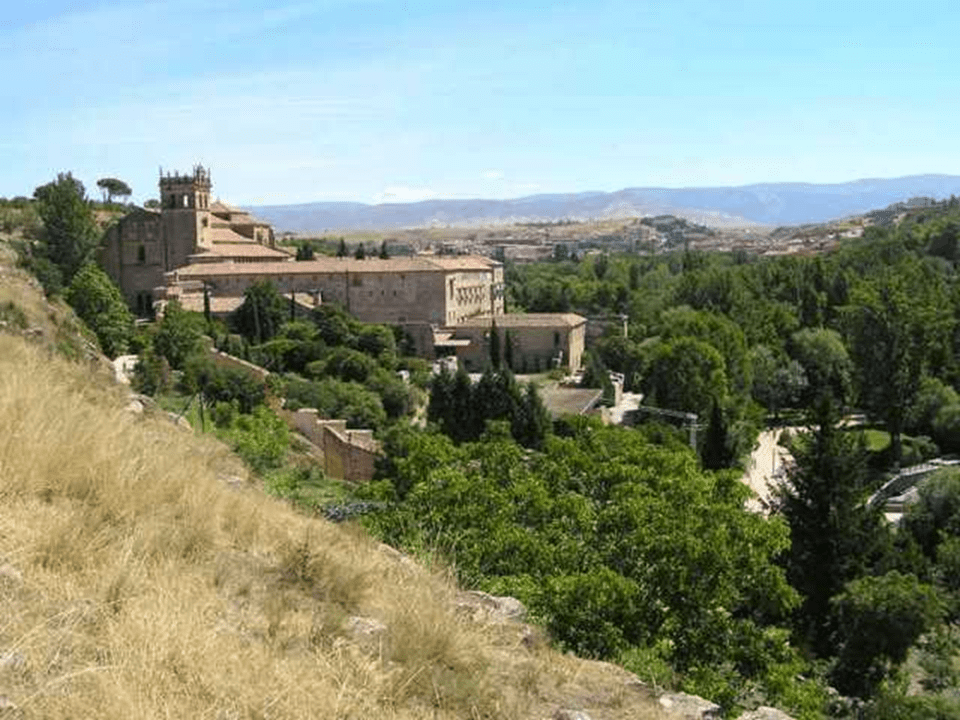
We start with its great cathedralThat shines majestically in the evening lightOr from a slightly more distant viewMain SquareThe quarterdeck. The most photographed castle in the World!As in a dream The castle in the mist!Front view and rear towerAnd this is its beautiful panoramic view from Fuencisla!Monastery of Santa Maria del Parral, in the background the Alcázar!
THE AQUEDUCT
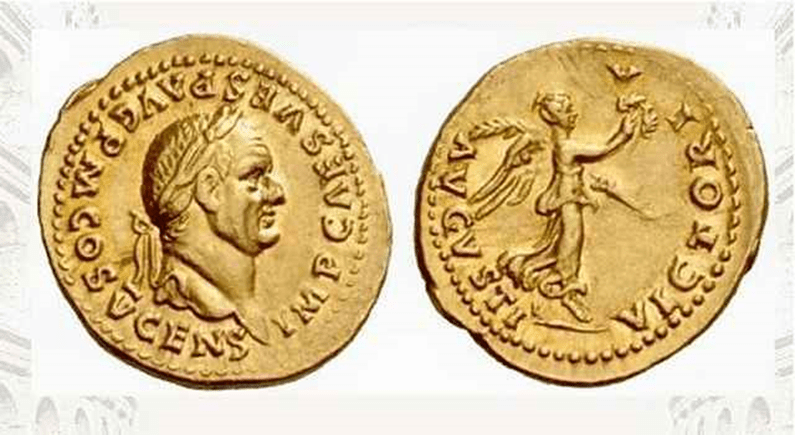
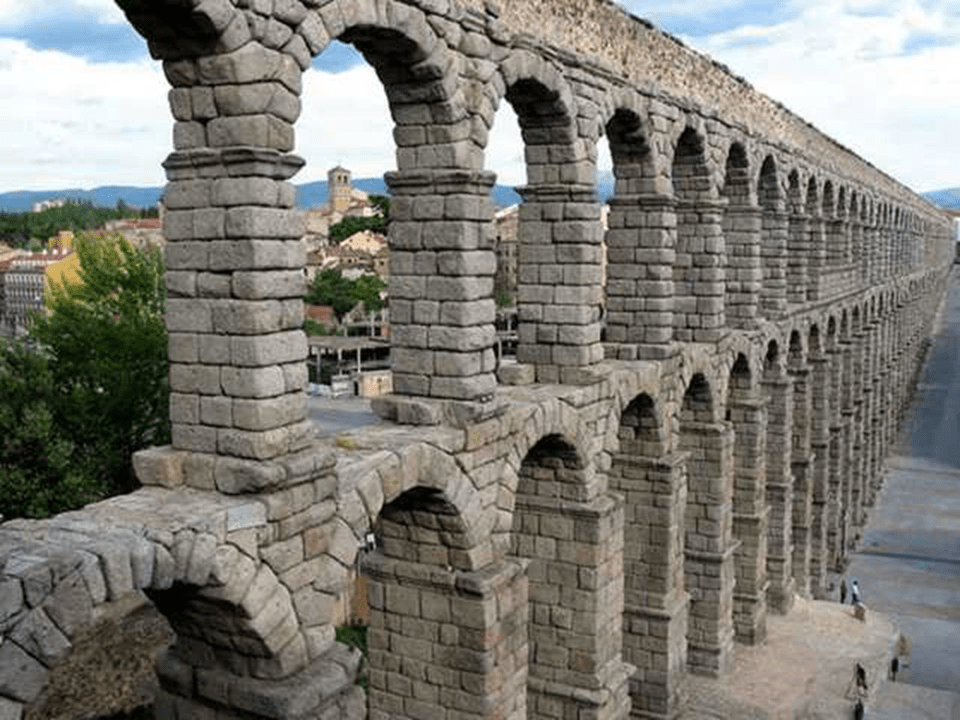
The famous Aqueduct is located in the Plaza del Azoguejo, and is undoubtedly the most representative element of the city. It was built between the second half of the 1st century and the 2nd century in the time of the emperors Vespasiano and Trajano, in order to bring the water from the Frío River, in a place called Acebeda to the city.
It consists of 20,400 stone blocks not joined by mass or any cement.
It is 728 meters long and 28.29 meters maximum height.
It has 167 arches, with a slope of 1%.
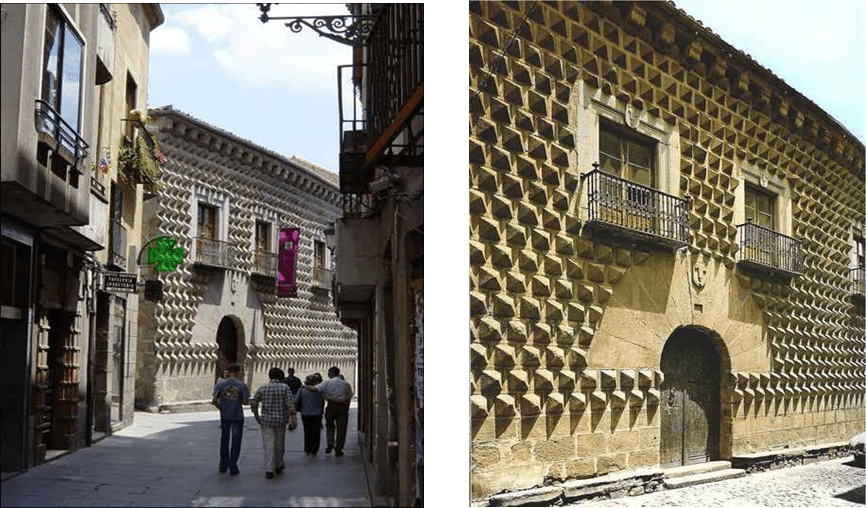
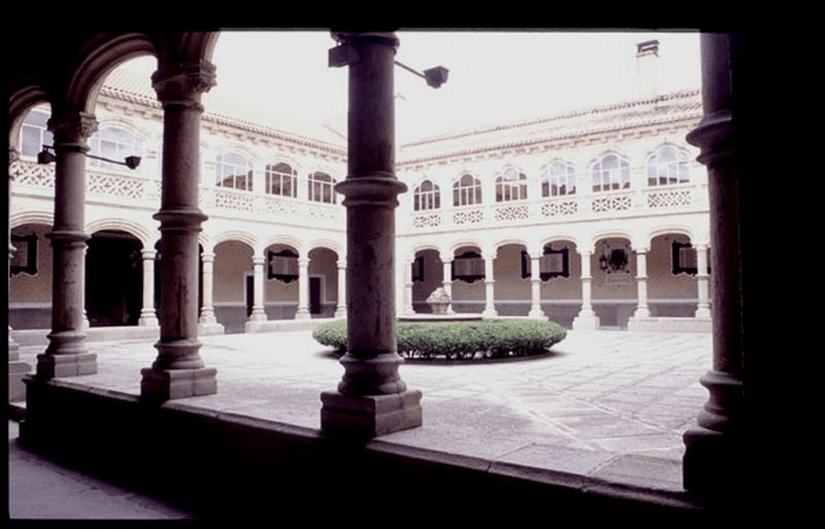
Vespasian CoinsTrajan’s CoinsAerial view of the central part of the aqueductMasterpiece of Roman engineering and architectureSide viewThe Aqueduct in the Plaza del AzoguejoHouse of the thornsOld Convent of San Francisco. Today Artillery Academy
THE ROMANESQUE IN SEGOVIA
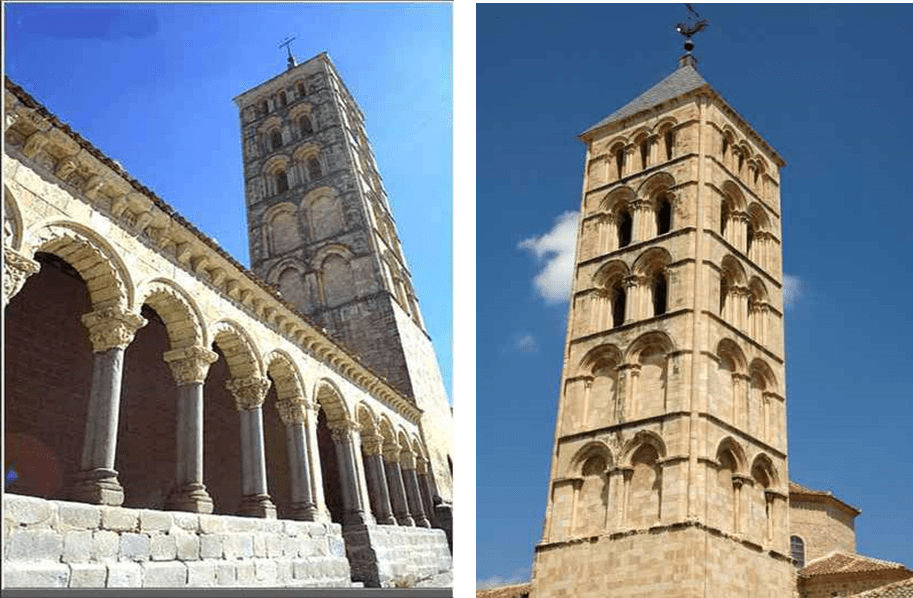
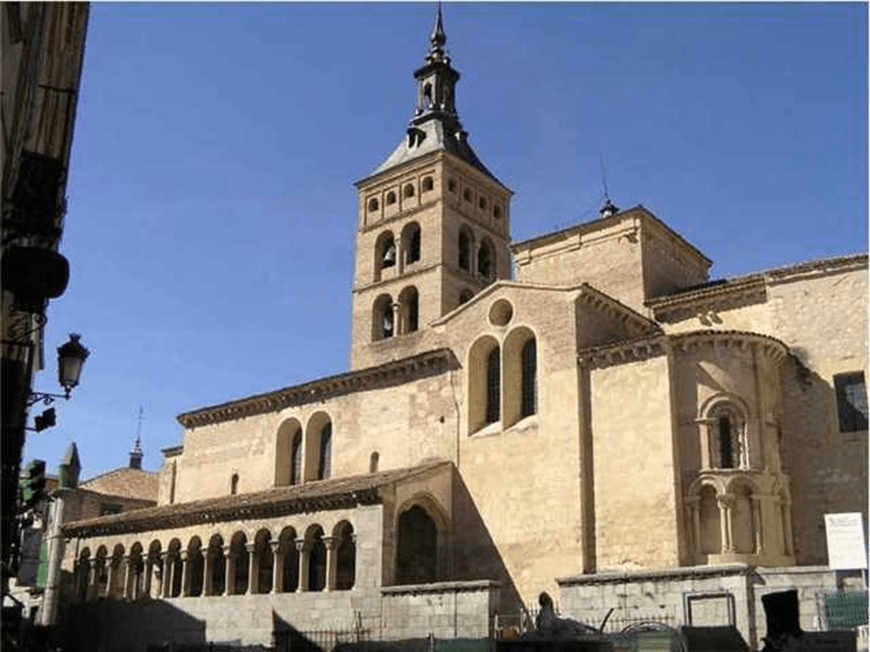
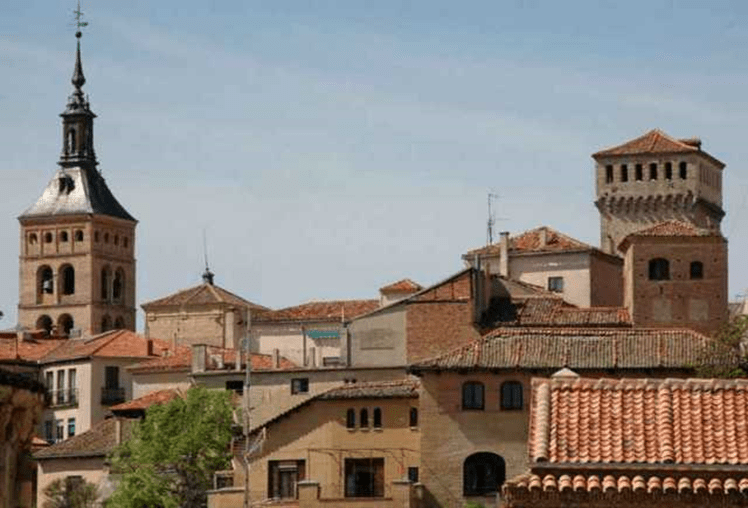
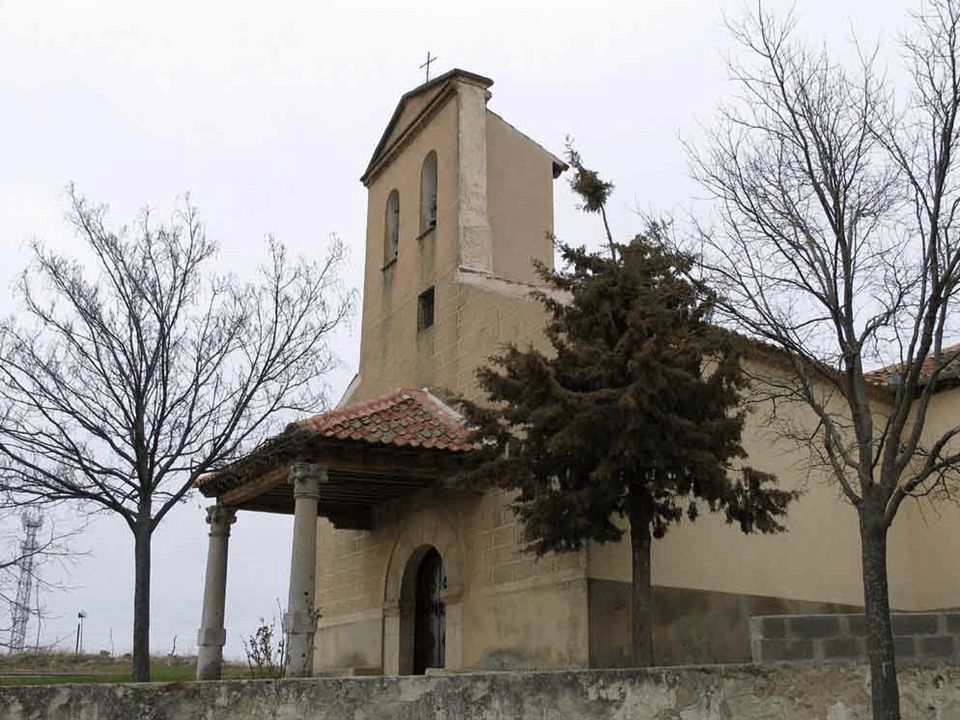
Segovia capital has about twenty Romanesque churches, among other styles.
Together with its province, Segovia has one of the most important concentrations of Romanesque remains in Spain.
The photographs that follow are a sample of these churches.
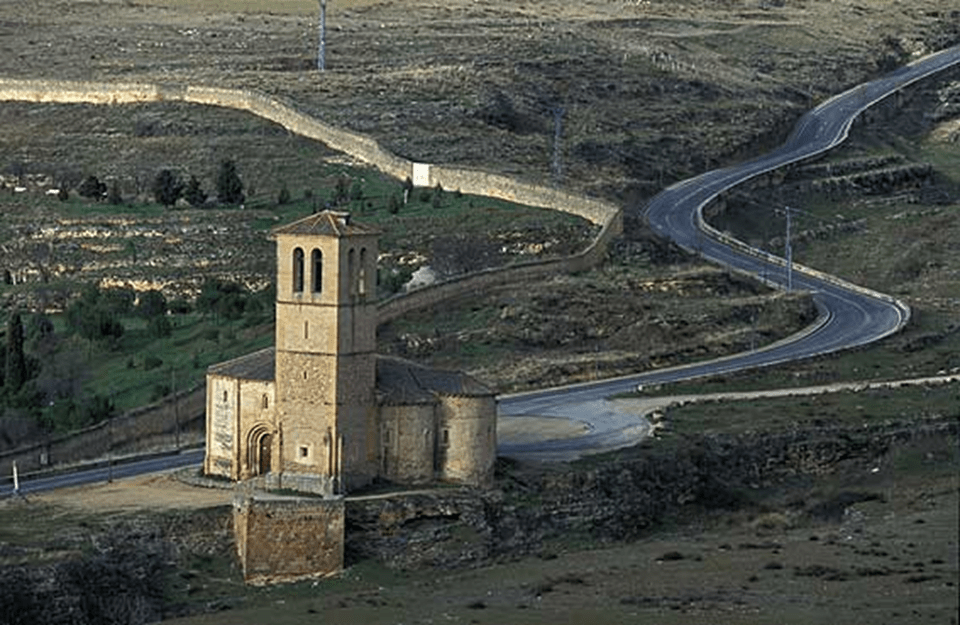
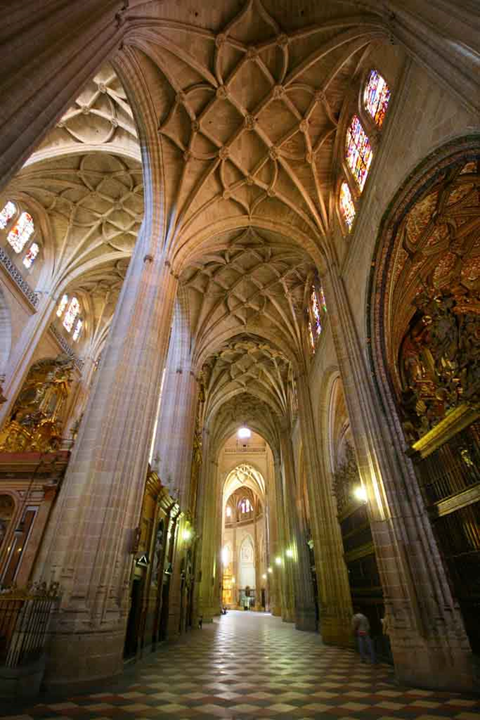
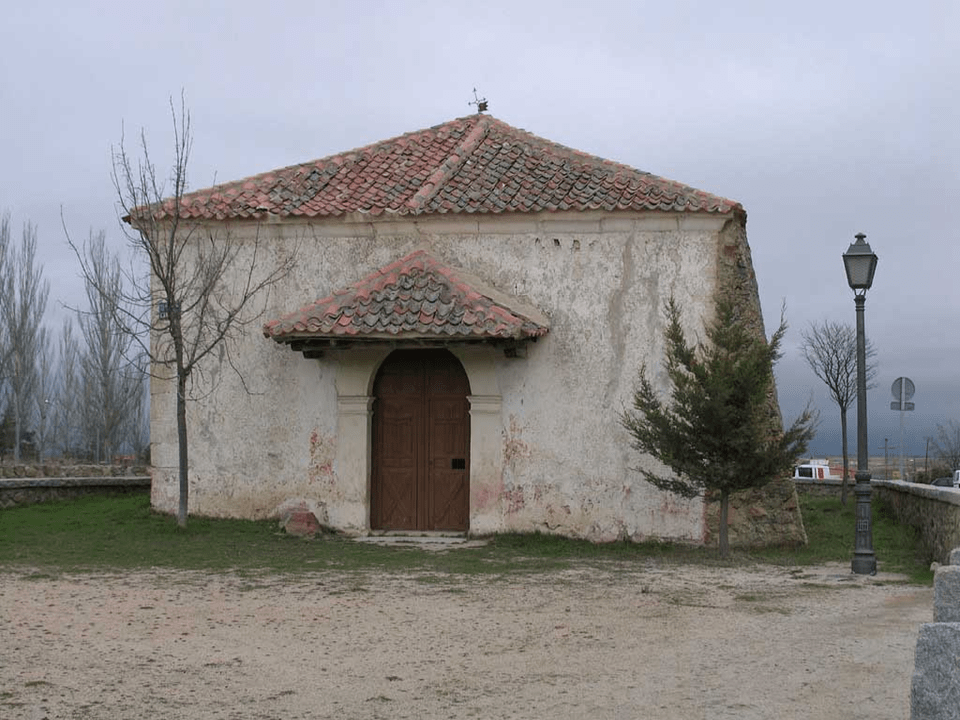
Church of the Vera CruzChurch of the Vera CruzRomanesque Church of San EstebanChurch of San MartínChurch of San MillánTower of San Martín and Tower of HerculesChurch of San NicolásChurch of San TomásHermitage of San António de PaduaInterior of the CathedralSan Martín Square
THE PROVINCE
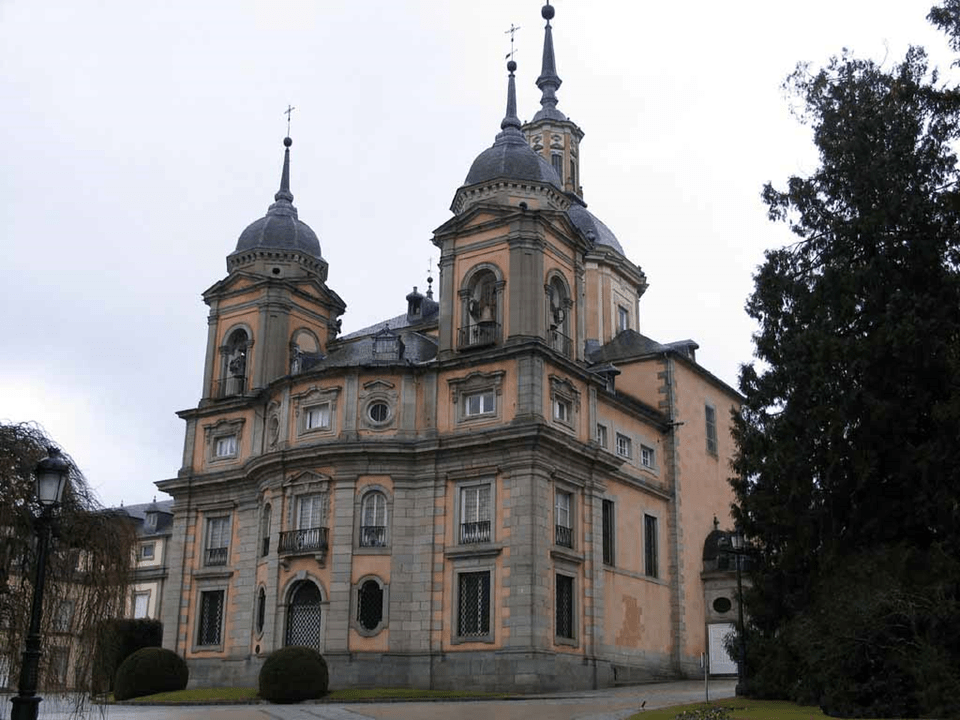
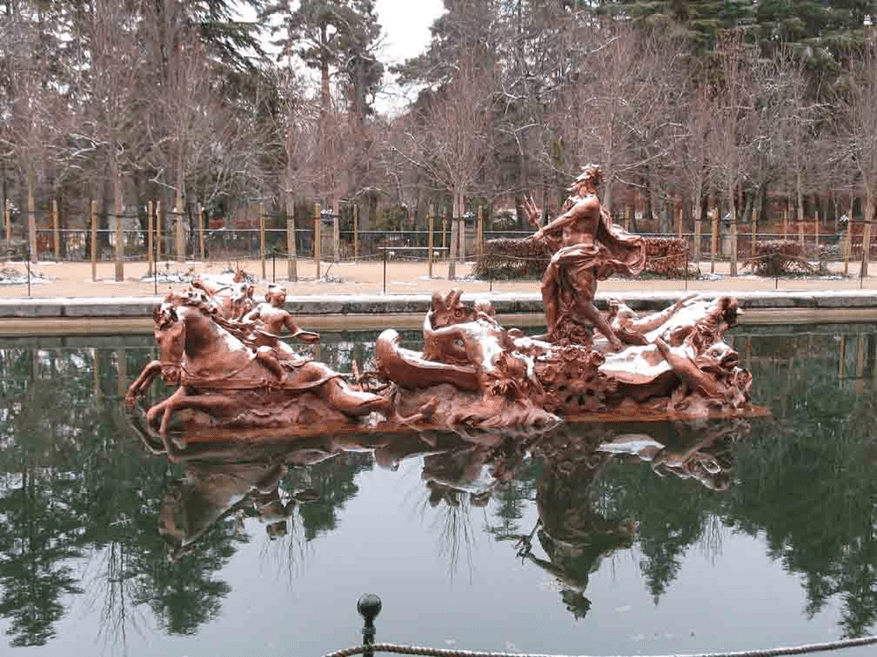
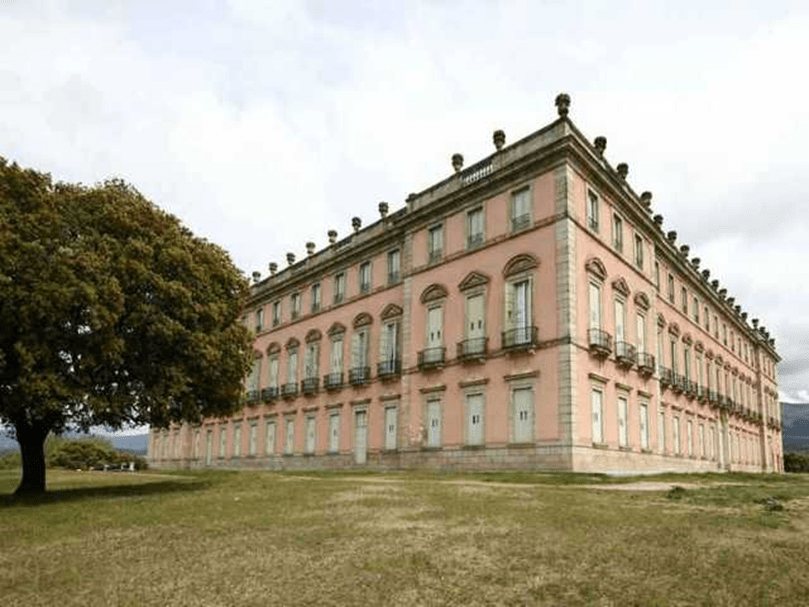
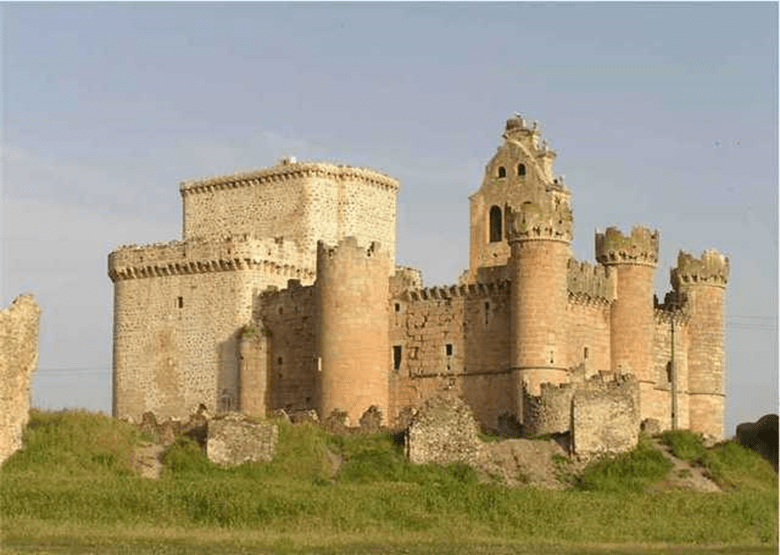
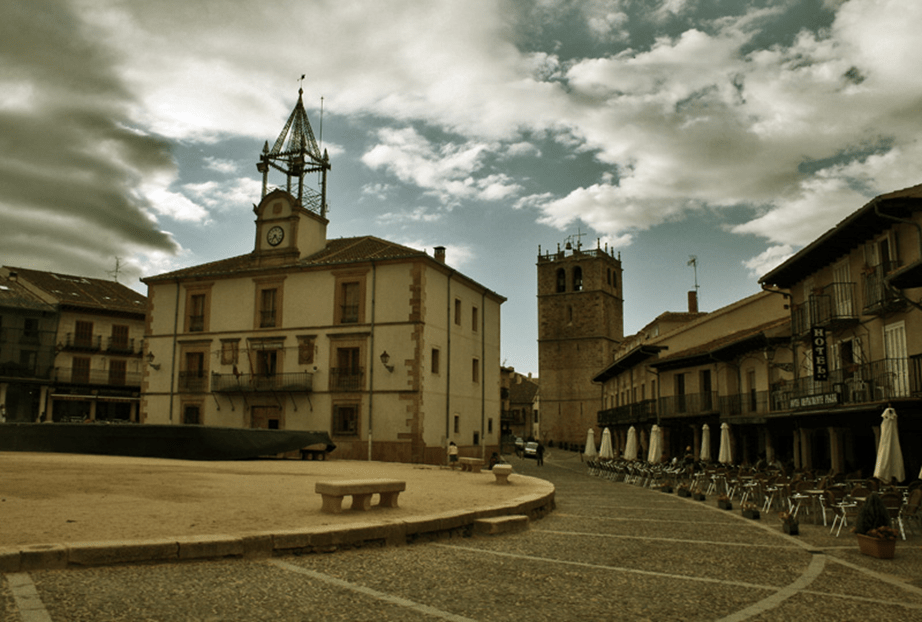
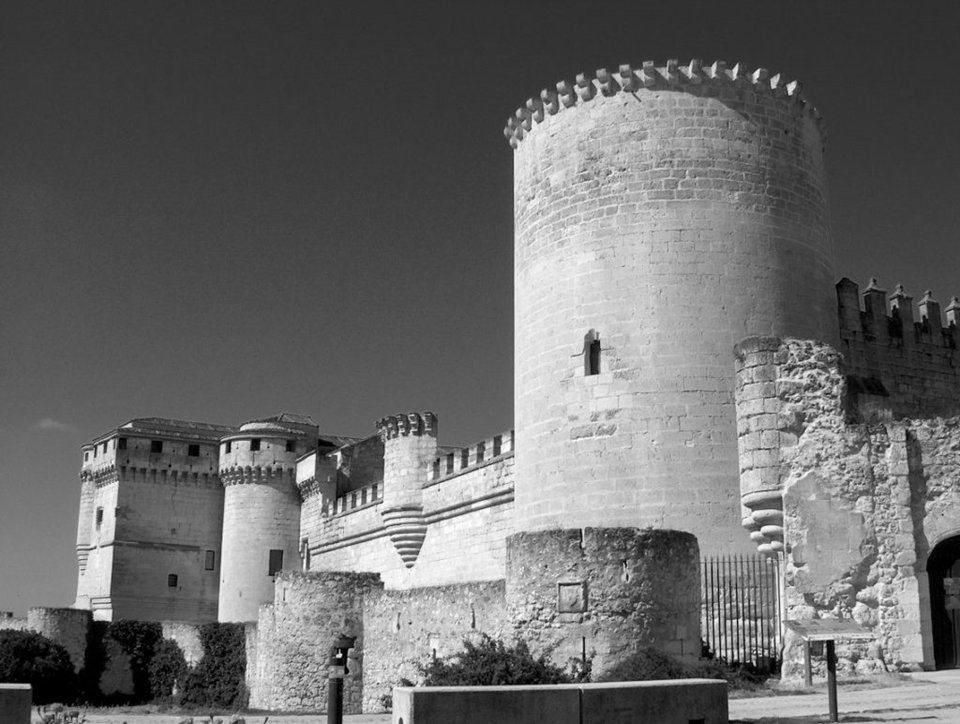
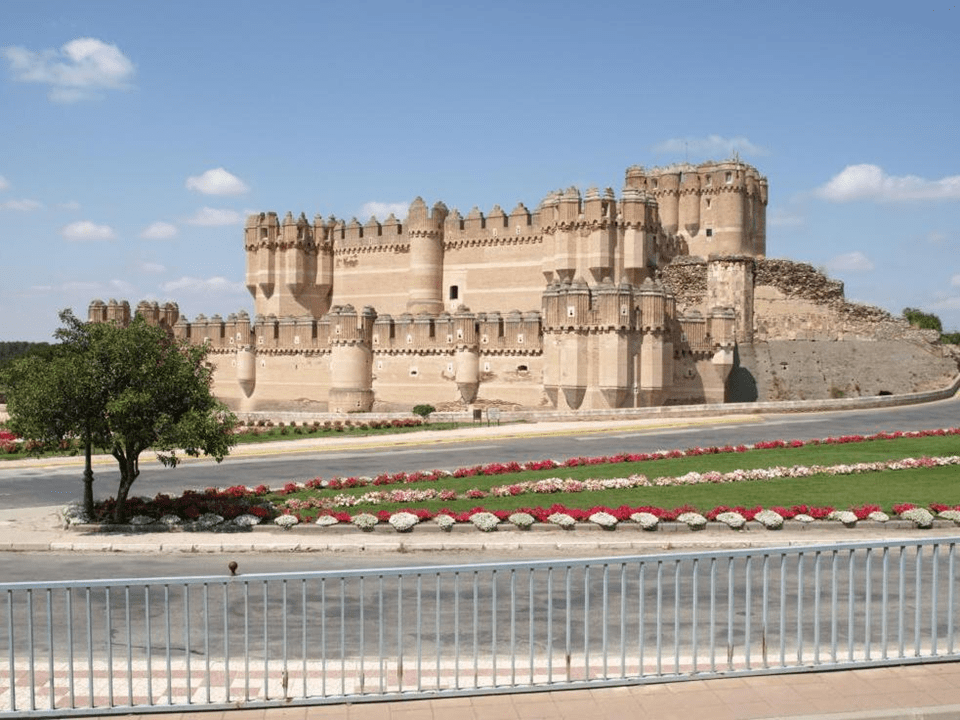
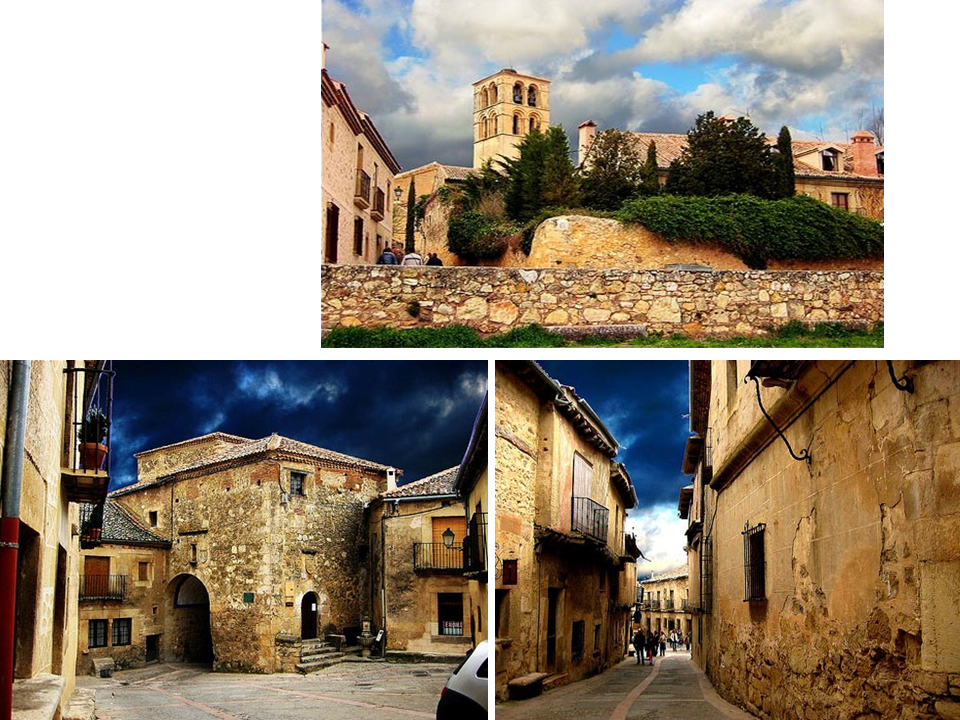
Palace of the Granja de San IldefonsoPalace GardensGardens of La Granja (the Farm) Gardens of La GranjaRiofrío Royal PalaceHontoriaTurégano CastleTurégano CastlePedraza CastleSanctuary of Santa María de la Peña – SepúlvedaRiaza Main SquareCastle of the Dukes of Alburquerque, CuellarCuellar CastleCoca CastleMonastery of Santa María la Real de NievaPalace of the Montijo Counts – FuentidueñaPedrazaMountain El Montón de Trigo (The Heap of Wheat)
FINAL CONSIDERATIONS
The city and province of Segovia constitute a world-class tourist area within Spain.
We have given a light review of its monuments and its Romanesque art, but Segovia also has its history, its beautiful landscapes and its gastronomy. Sample of which there are renowned and exquisite restaurants in the city and province. Their roast suckling pig is a delicious dish like no other.
There are famous masters in the art of preparing it and as a sample, the photograph of one of the most famous restaurants is inserted below.
CANDIDO HOUSE.
Candido Roast Hoven
The End
This post was taken from a PowerPoint presentation. The author is unknown. I do not own the any rights. Just sharing a beautiful Spanish place for all you to discover.
Icelanders don’t have a nickname, they use a handy system by which they match the son’s name with the father’s in each generation. At the same time, families do not identify themselves by a nickname or family branch, something very different from what we are used to.
There is no private health or education, public services are so good that there are no complaints. More books are bought per inhabitant than in any other country. They invented the Icelandic sagas, the most similar to a novel.
Geyser is one of the few Icelandic words exported to the world through English, which incorporates the ending to refer to the well-known geological phenomenon that occurs on the island and which is almost universally used.
The Icelandic language is only used in Iceland and is very similar to some Scandinavian languages, especially Old Norwegian.
It is not a very populated country, it has 360 000 inhabitants, half of them concentrated in the capital – Reykjavik – being one of the countries with the most concentrated population in the world and the safest.
It is a pioneer country in terms of implementing democracy. Presumably it has the oldest democratic system in the world, founded some 1000 years ago. In 1996 gay marriage was legalized.
In Iceland, water (from rain and nature reserves) is so abundant and uncontaminated that what is consumed reaches homes without any type of treatment. The large number of thermal sources provides an efficient and inexpensive heating system for homes. In Summer there are 24 hours of light.
Winter is not as cold as you might think, due to the relation of its latitude and the moderation of the ocean. The daytime temperature is around 0°C. Volcanic-type underground channels provide free hot water. There are 33 volcanoes and it is the country with the most and largest documented volcanic eruptions.
Iceland is the only NATO country that does not have armed forces, which were abolished in the 13th century. Only a tiny fraction of the country’s 679 police – a crisis unit called The Vikings – use guns. The annual murder rate is less than five and the total amount of the imprisoned population is 118. Iceland has the highest density of mobile phones per capita in the world. There are more mobile phones than inhabitants, and ¾ of the population has an Internet connection.
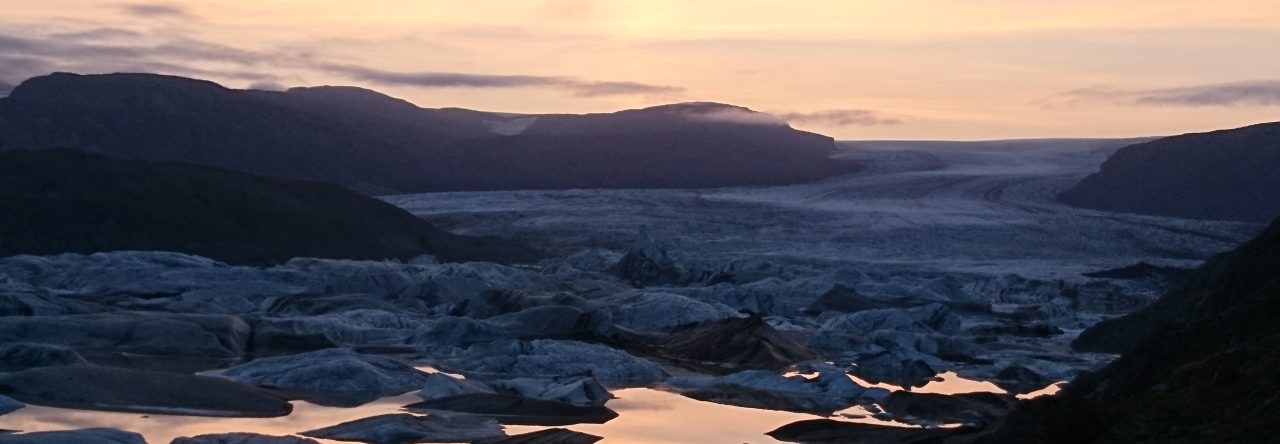
Iceland from spaceBlue Lagoon fenceIceland’s blue skyBlue calcite, close to a geothermal phenomenon.Cookie IslandExploring the Valleys Beyond and the Akureyri Fjords
GULLFOSS
Gullfoss, the Golden Cascade, is a cataract located on the Hvítá River in southeastern Iceland. It is one of the most popular attractions in the country. It is located on the wide bed of the Hvítá river, which runs to the south and a kilometer from the waterfall turns abruptly to the east, falling in three curved steps. At that moment, the water falls in jumps: 11 and 21 m, in a crack 32 m deep, some 20 m wide and 2,5 km long. The average flow in this cataract is 140 m³/s in Summer and 80 m³/s in Winter. The maximum measured water flow is 2000 m³/s. When the visitor approaches the waterfall, the crevice hides the view, giving the feeling that the mighty river simply disappears underground.
GullfossVolcanoJokulsarlon LagoonLandmannalaugar or People’s PoolsMountains and Lake Frostastadavatn in South HighlandNorse Gods in MoonfallStreets of Reykjavik at sunset.Abandoned Church in Icelandic TundraThe Lighthouse. Built in 1939The Orange Mold at Churchyard Tombstones
SKOGAFSS
Skogaföss is one of Iceland’s largest, most beautiful and impressive waterfalls. According to legend, the first Viking inhabitant buried his treasure in a cave behind this waterfall.
Eruption of FimmvorduhalsColored clouds over IcelandHunafloi BayNorthern Iceland. Lights above the gray clouds of the Eyjafjallajokull Volcano
BLUE LAGOON
Blue Lagoon is a natural geothermal resort, surrounded by lava fields and sandy beaches. Relaxing in this lagoon, in a vaporous environment, is captivating, providing a pleasant experience. The temperature is 37-39 °C.
The Blue Lagoon is famous for its unique active ingredients and their effects on the mind and body. Salts, silica and sulfur provide well-being. Algae give blue, green and nutrients. White silica, cleansing slime, and massage are highly recommended.
GLAUMBAER
Glaumbær is a town and former parish of the Icelandic community of Skagafjörður.
THE END
An amazing journey throughout the beauty, uniqueness and astonishingly Icelandic landscapes…
This is the story of a stork that was shot by a hunter and was never able to fly again. But she is not dead and there is a farm where they treat her. Her husband is doing well and every year he continues to cover 14,000 kilometers in the annual migration of the storks. And he returns to his waiting wife. And they still have babies that get into the normal rhythm of storks, and migrate with their father. He migrates, and the following year he returns to his wife.
Sitting astride the Mid-Atlantic Ridge…The only place where the Mid-Atlantic Ridge rises above sea level.The Mid-Atlantic Ridge (Divergent tectonic plate boundary) attracts tourists.
Volcanic Activity
Volcanic eruptions are far more frequent on convergent tectonic plate boundaries (Cascade Mountain Range & the Andes) than on divergent tectonic place boundaries (Iceland); however, eruptions do occur along divergent boundaries. Recently and eruption broke through the icecap in Iceland.
Iceland’s Eruptions
Ash and roughly thirty-story-tall lava fountains shoot from a half-mile-long (0.8-kilometer-long) rupture in the icy cap of southern Iceland’s Eyjafjallajokull (pronounced AY-uh-full-ay-ho-kul) volcano early Sunday.
The geology of Iceland, though, is anything but normal. The volcanic island lies just south of the Arctic Circle atop the Mid-Atlantic Ridge, where two tectonic plates are forever pulling apart. Magma from deep inside Earth rushes upward, filling the gaps and fueling Iceland’s volcanic eruptions, which occur about once every five years.
• From a different angle, Eyjafjallajökull’s “lavafall” appears unobstructed by billowing steam, revealing the glowing yellow ribbon cascading down the rocky gorge on March 26, 2010.• Lava spraying high into the air draws crowds of tourists to Iceland’s Eyjafjallajökull volcano on March 27, 2010.
• When the eruption started on March 21, hundreds of people were evacuated from their homes, due to fears of flooding, which could have occurred, had the volcano’s heat melted too much surrounding glacial ice.Cooling lava flowsTourists check out the cooling lava
Comparison
These eruptions tend to be much less violent and destructive than those of strato-volcanoes that form near convergent boundaries.
1980 when Mt. St. Helen erupted in the Cascade Mountains, nearly half of the mountain was blown away.
In Iceland the magma comes up to fill in a gap created by the separating of the two tectonic plates.
• Not far from Eyjafjallajokull glacier, the much larger Mýrdalsjökull glacier (check the map on the next slide) hides the fiery, gently sloping Katla volcano that lies under the ice.
Eruptions on Iceland
An incandescent basaltic lava flow winds its way downslope from a vent at Krafla volcano in Iceland in 1984. The flow originated from an 8.5-km-long fissure that was initially active along its entire length. The fissure was produced by rifting along the mostly submarine Mid-Atlantic Ridge where it rises above sea level and cuts across the island of Iceland, forming an accessible natural laboratory for studies of episodic eruptions at this oceanic spreading ridge.
Krafla Volcano – Iceland
An incandescent basaltic lava flow winds its way downslope from a vent at Krafla volcano in Iceland in 1984. The flow originated from an 8.5-km-long fissure that was initially active along its entire length. The fissure was produced by rifting along the mostly submarine Mid-Atlantic Ridge where it rises above sea level and cuts across the island of Iceland, forming an accessible natural laboratory for studies of episodic eruptions at this oceanic spreading ridge.
Iceland Info.
Area: 103,000 sq km
Coastline: 4,970 km
Terrain: mostly plateau interspersed with mountain peaks, icefields; coast deeply indented by bays and fiords •Land use: –arable land: 0.07% –permanent crops: 0% –other: 99.93% (2005)
Infant mortality rate: 3.23 deaths/1,000 live births
Life expectancy at birth: 80.67 years
Adult literacy: 99%
Economy
GDP – per capita (PPP): $39,800 (2009 est.) –$42,800 (2008 est.) –$42,600 (2007 est.)
GDP – real growth rate: -6.3% (2009 est.) –1.3% (2008 est.) –5.5% (2007 est.)
GDP – composition by sector: –agriculture: 5.2% –industry: 24% –services: 70.8% (2009 est.)
Reykjavik –Capital City
ReykjavikRoundup of Icelandic horsesThe Gullfoss (Golden Falls) Waterfall in southern Iceland.An eruption of the geyser Strokkur.A river with volcanic black sand banks meanders to the sea through farm fields near the southern coast of Iceland.Looking across the plate boundary from the European Plate to the N. American.
I am not the author of the words nor the photographs. I give thanks to the person who compiled the info about one of the most beautiful places I’ve had the honour to visit, already!





























 Estranged Blog