
After some time you learn the difference,
The subtle difference between holding a hand and chaining a soul.
And you learn that love doesn’t mean leaning,
And company doesn’t always mean security.
And you begin to learn that kisses aren’t contracts,
And presents aren’t promises.(…)
And you accept that it doesn’t matter how good a person is,
She will hurt you once in a while,
And you need to forgive her for that.You learn that talking can relieve emotional pain.
You discover that it takes several years to build a relationship based on confidence,
And just a few seconds to destroy it.
And that you can do something just in an instant,
And which you will regret for the rest of your life.
You learn that the true friendships,
Continue to grow even from miles away.
And that what matters isn’t what you have in your life,
But who you have in your life.(…)
You discover that the people who you most care about in your life,
Are taken from you so quickly,
So we must always leave the people who we care about with lovely words,
It may be the last time we see them.(…)
You learn that patience demands a lot of practice.
(…)
You learn that when you are angry, you have the right to be angry,
But this doesn’t give you the right to be cruel.(…)
You learn that sometimes it isn’t enough being forgiven by someone,
Sometimes you have to learn how to forgive yourself.
You learn that with the same harshness you judge,
Some day you will be condemned.
You learn that it doesn’t matter in how many pieces your heart has been broken,
The world doesn’t stop for you to fix it.You learn that time isn’t something you can turn back,
Therefore you must plant your own garden and decorate your own soul,
Instead of waiting for someone to bring you flowers.
And you learn that you really can endure.
You really are strong.And you can go so farther than you thought you could go.
And that life really has a value.
And you have value within the life.(…)
William Shakespear
And make us lose
The good we could conquer,
If it wasn’t for the fear of trying.
Category: art
Unbelievable People!


D. Pedro IV and the Church of Lapa – Oporto
D. Pedro IV e a Igreja da Lapa, Porto | ep. 11 / 28 Set. 2020
Mosaics are made like this…
This is how the world famous Taj Mahal was made, based on a Shiva temple by artists from India, Turkey, Iran, Iraq.
“You will never look at pottery the same way again.
We tend to forget the work that goes into the things we take for granted”
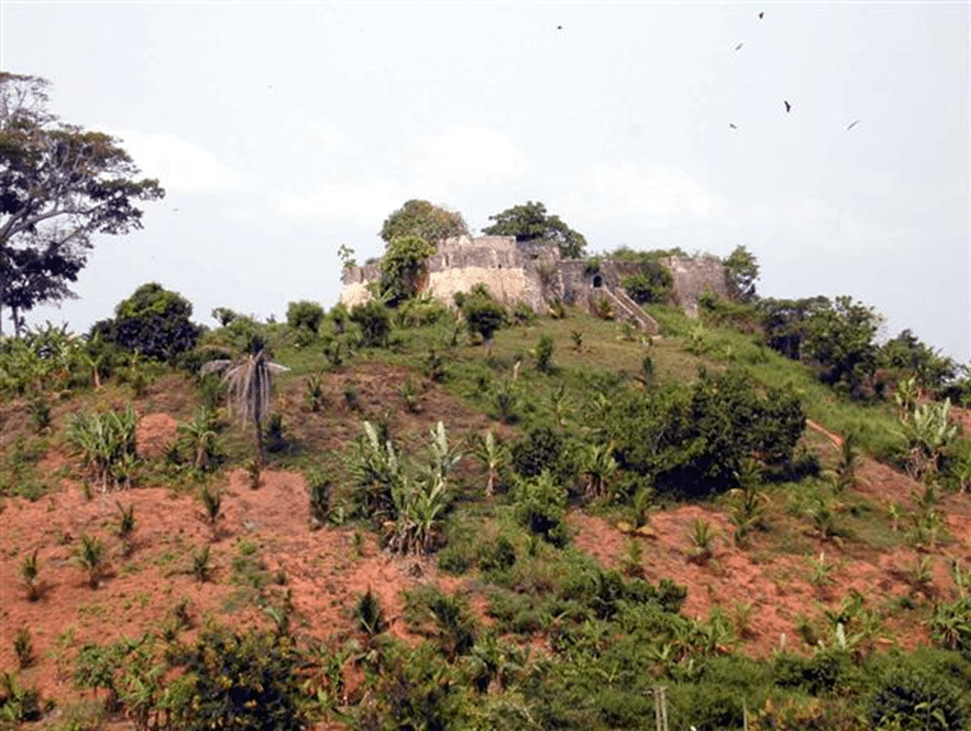
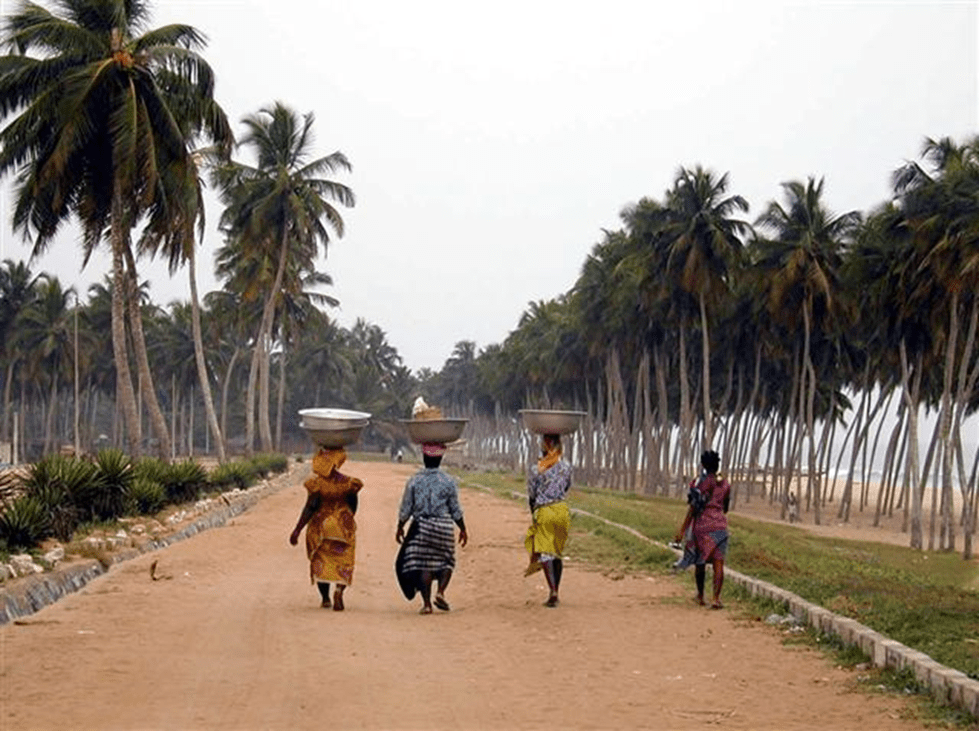
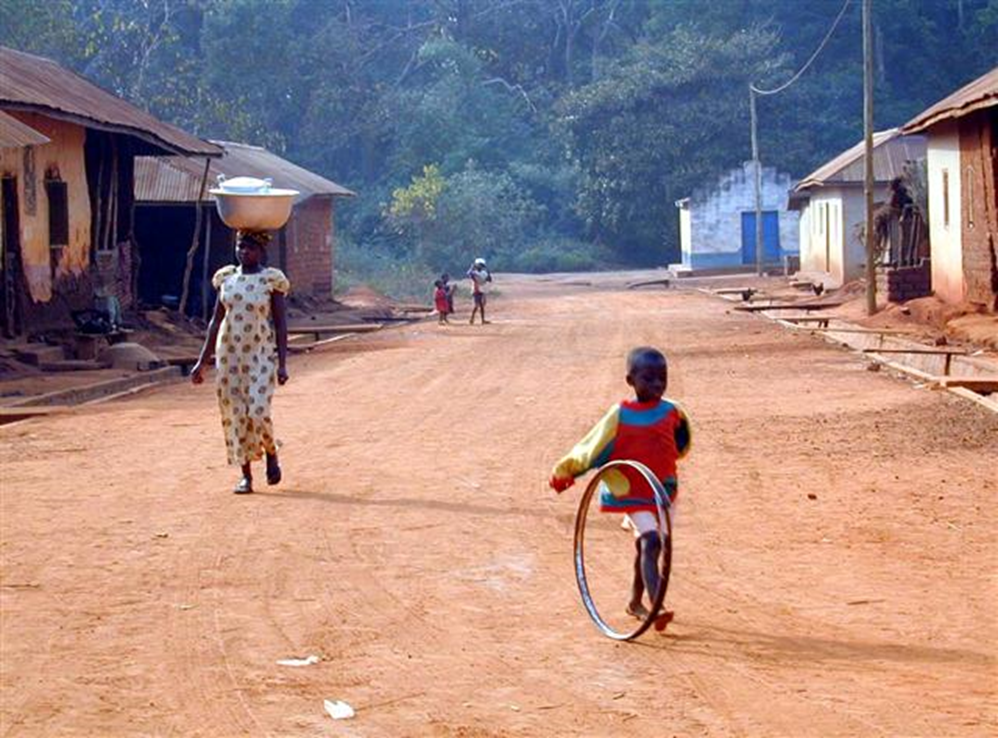
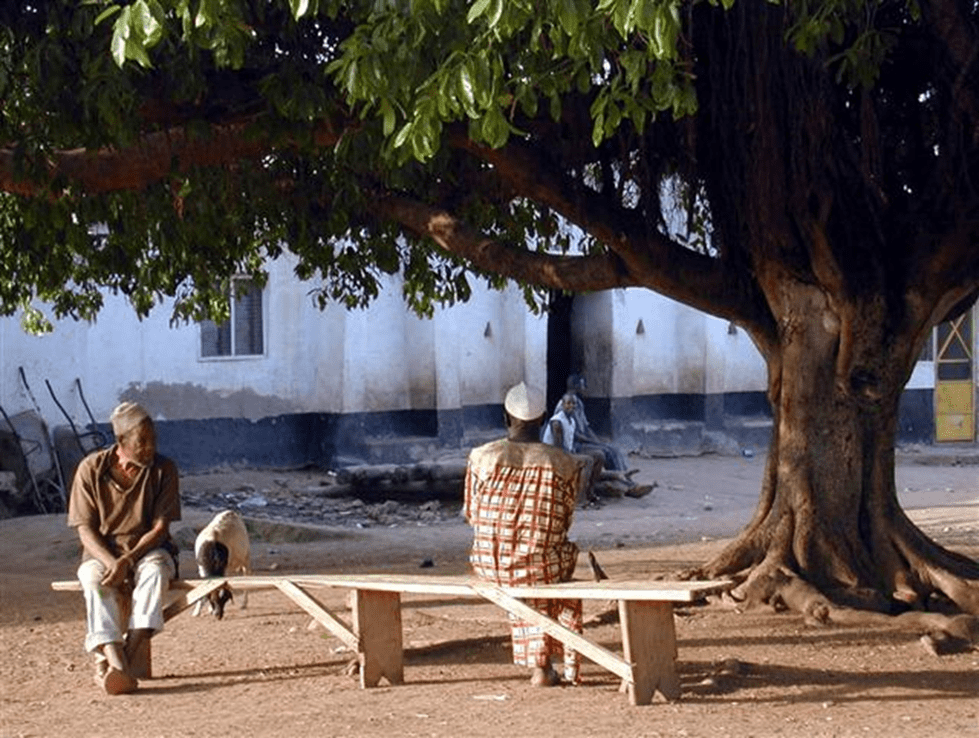
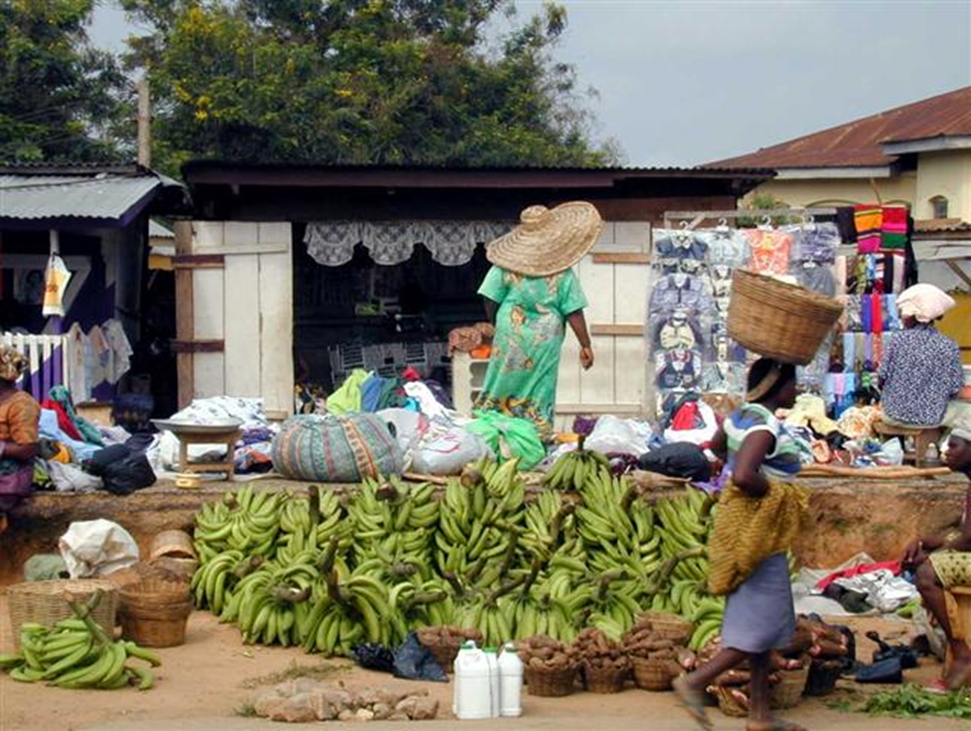
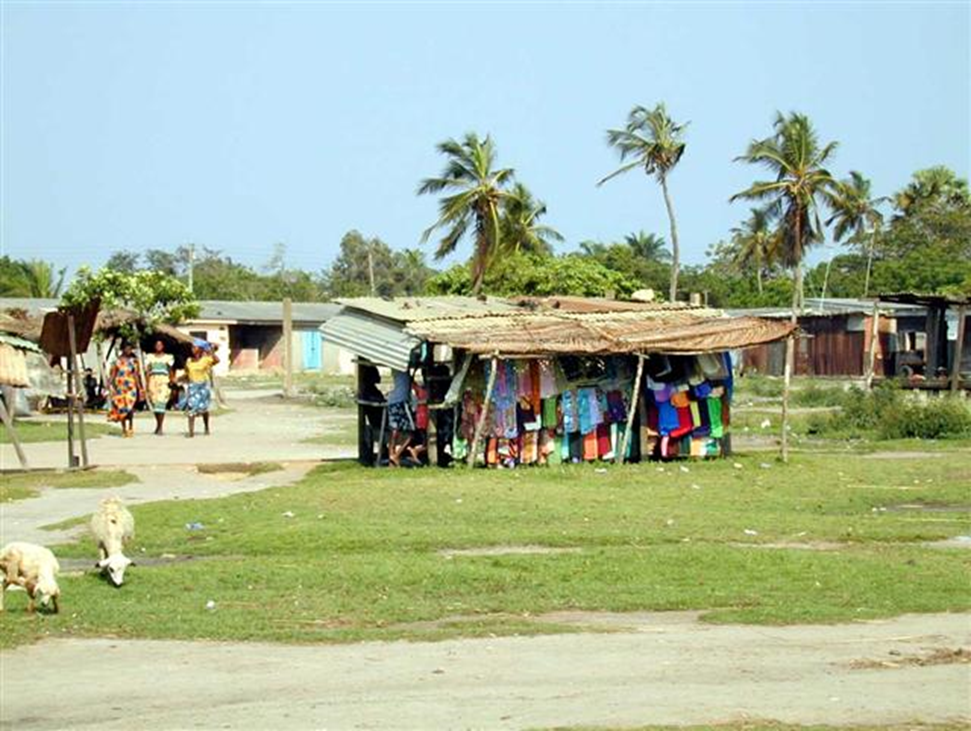
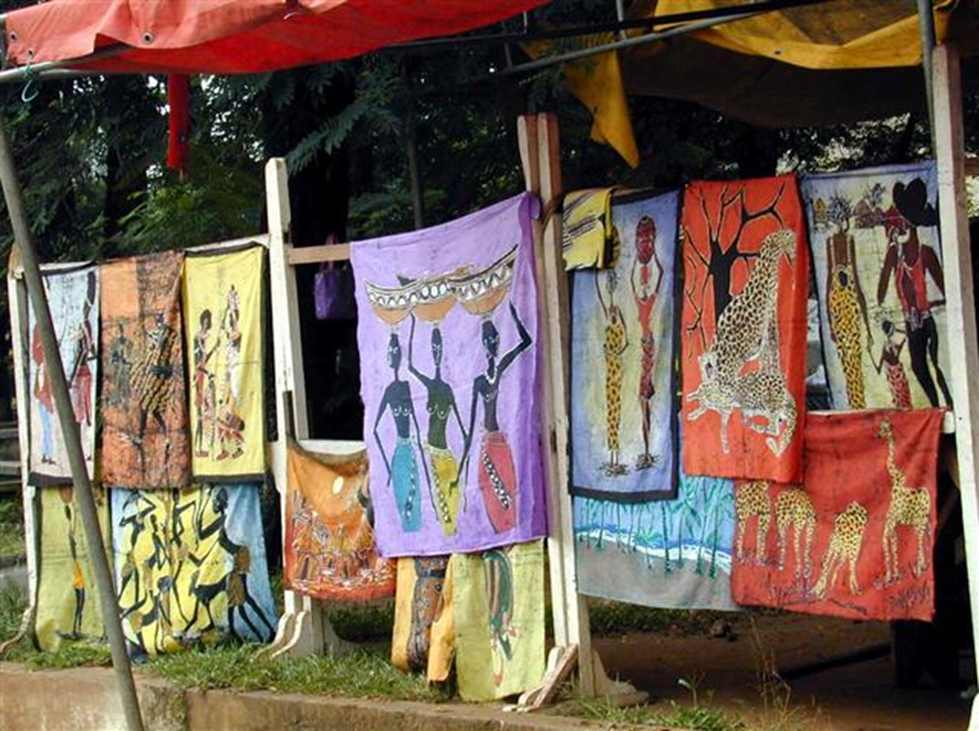
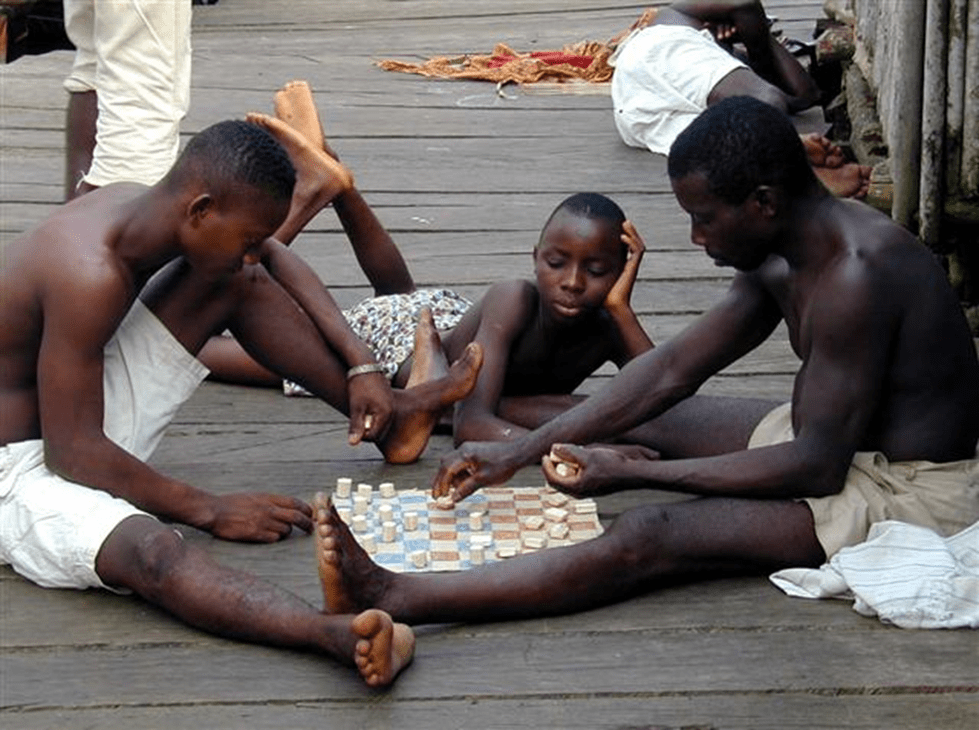
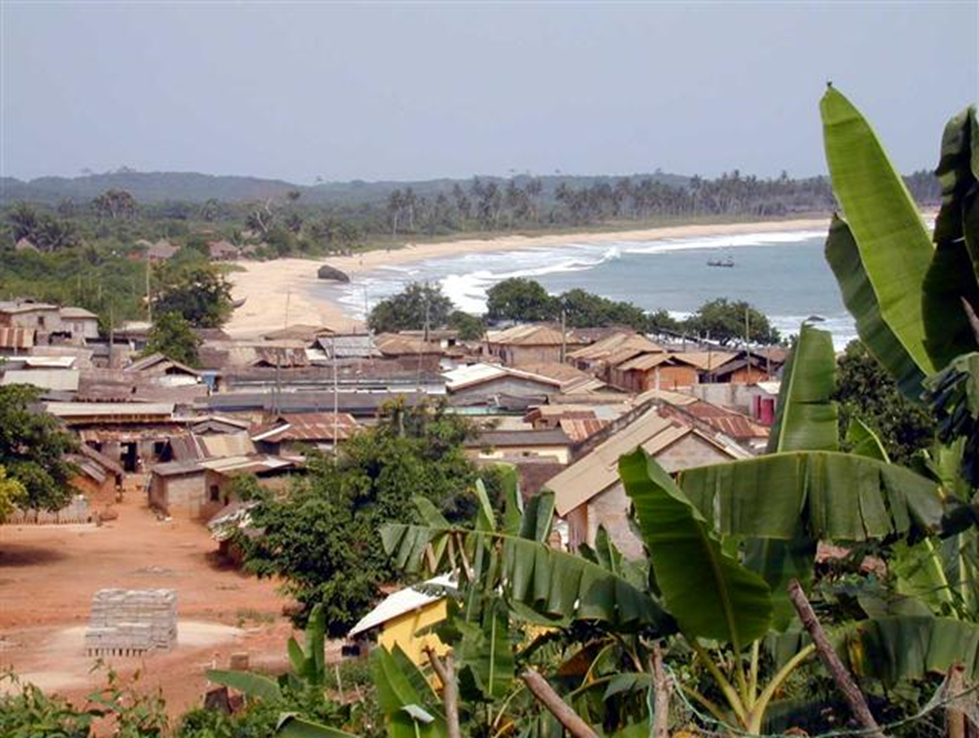
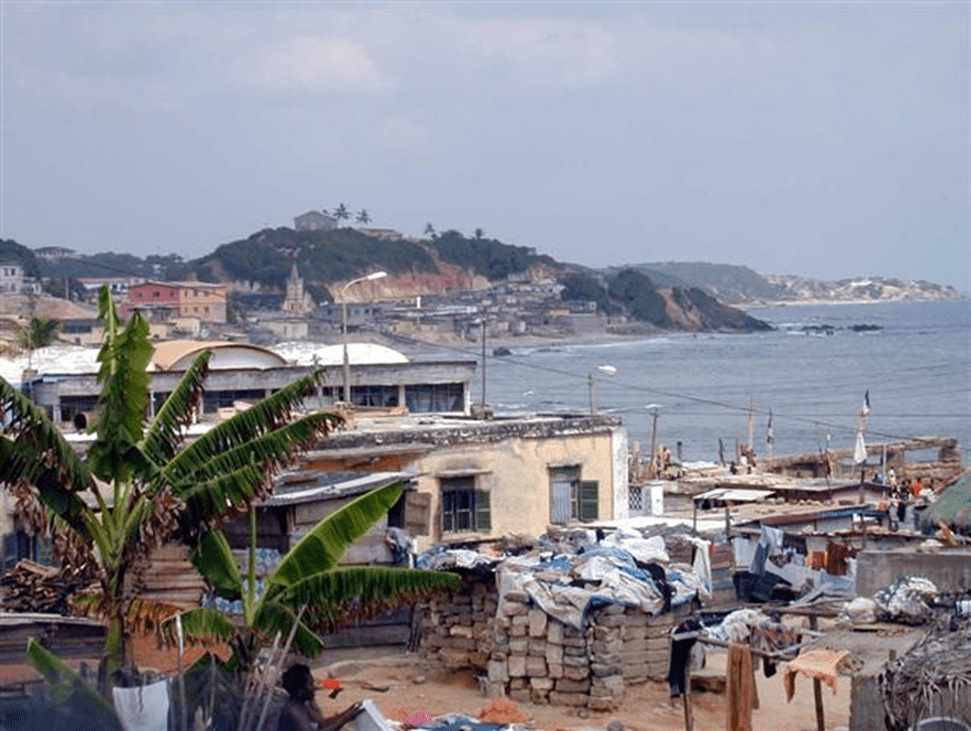
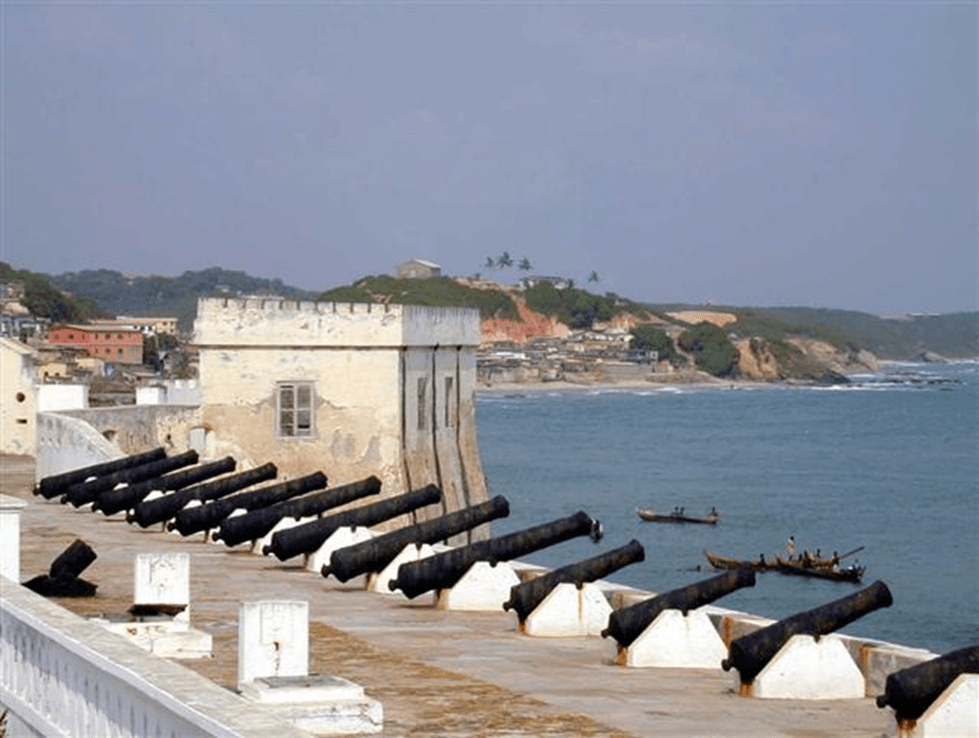
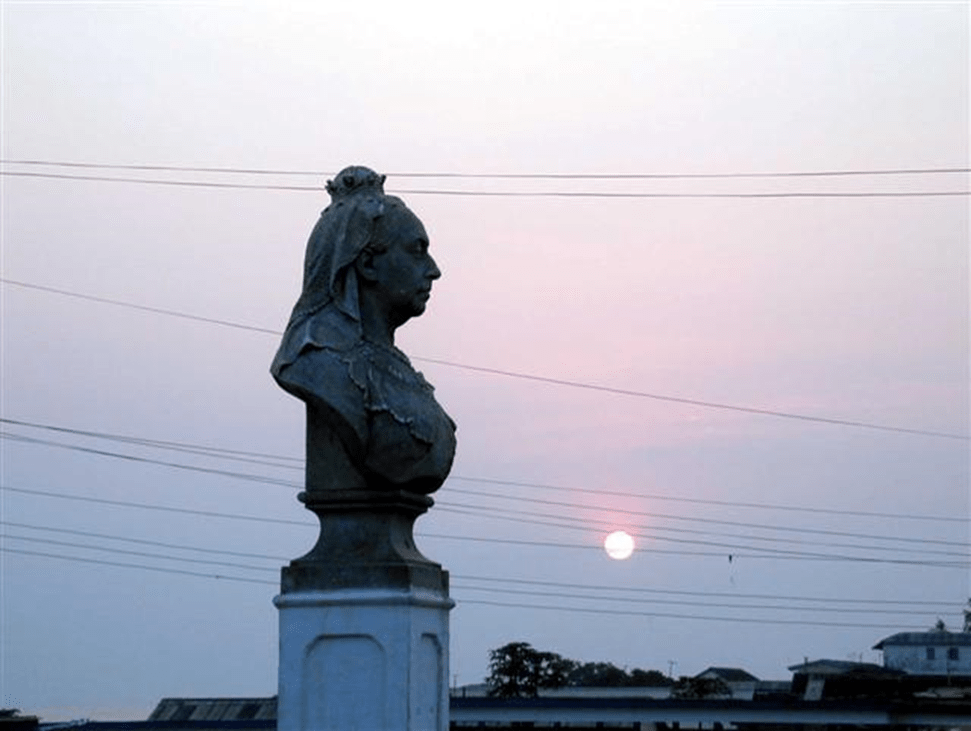
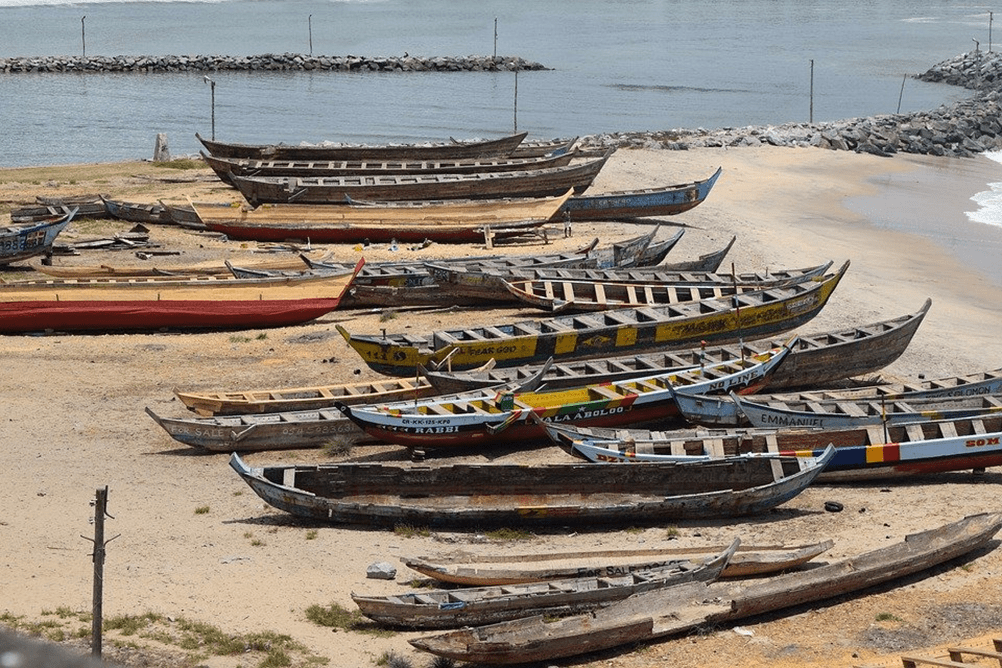
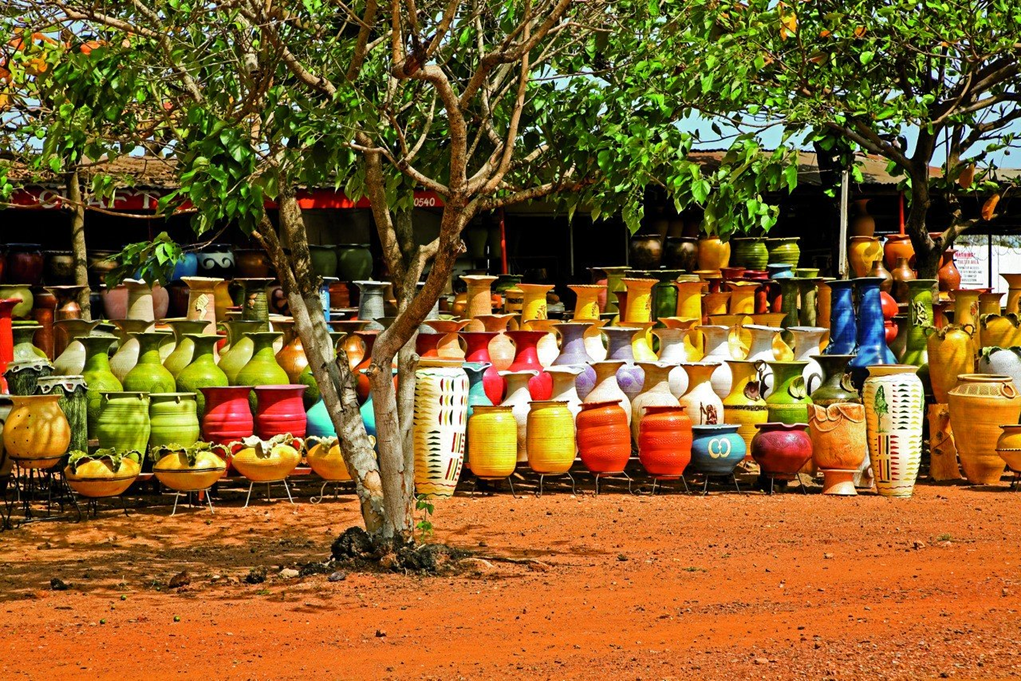
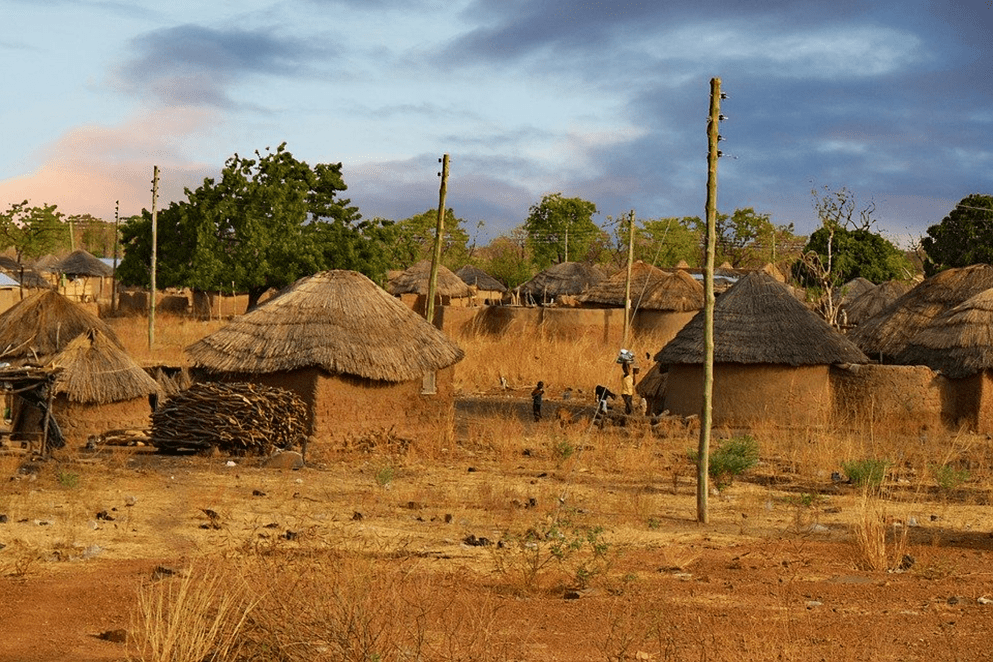
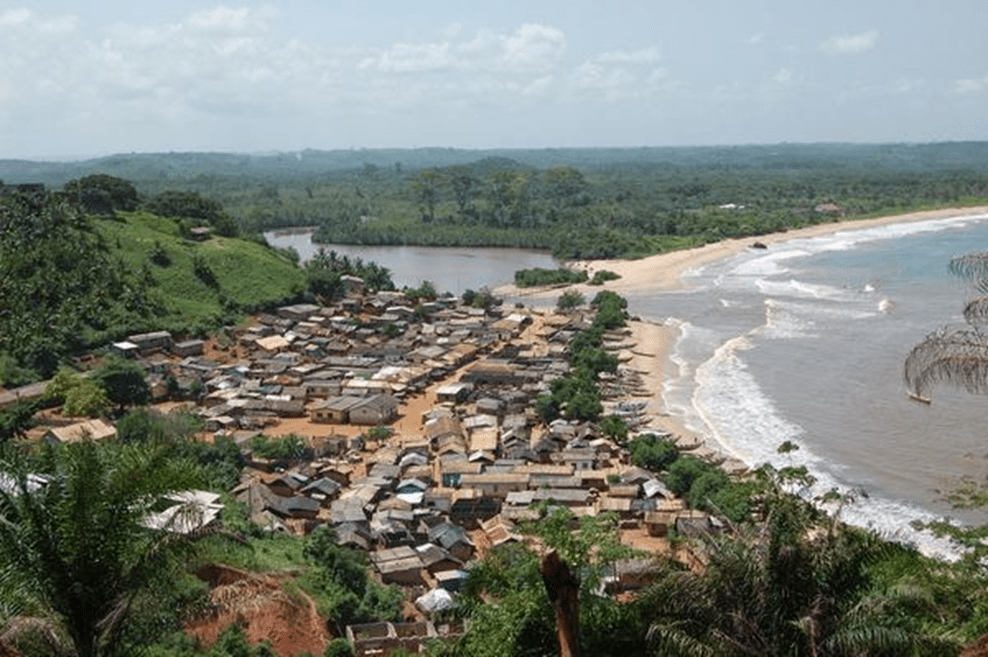
Republic of Ghana








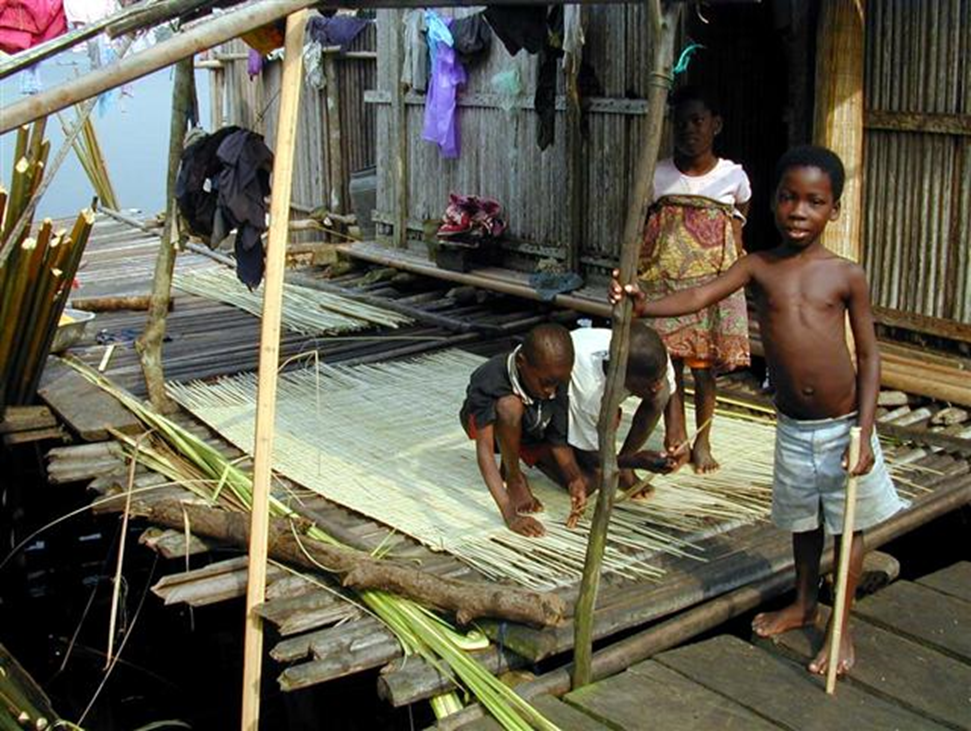
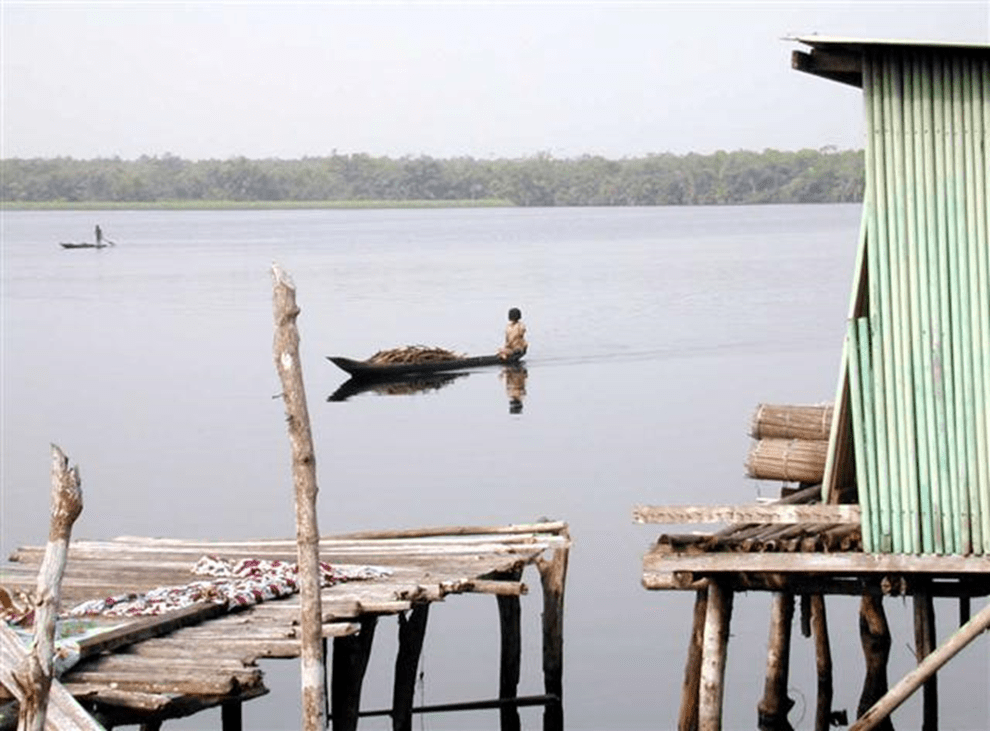
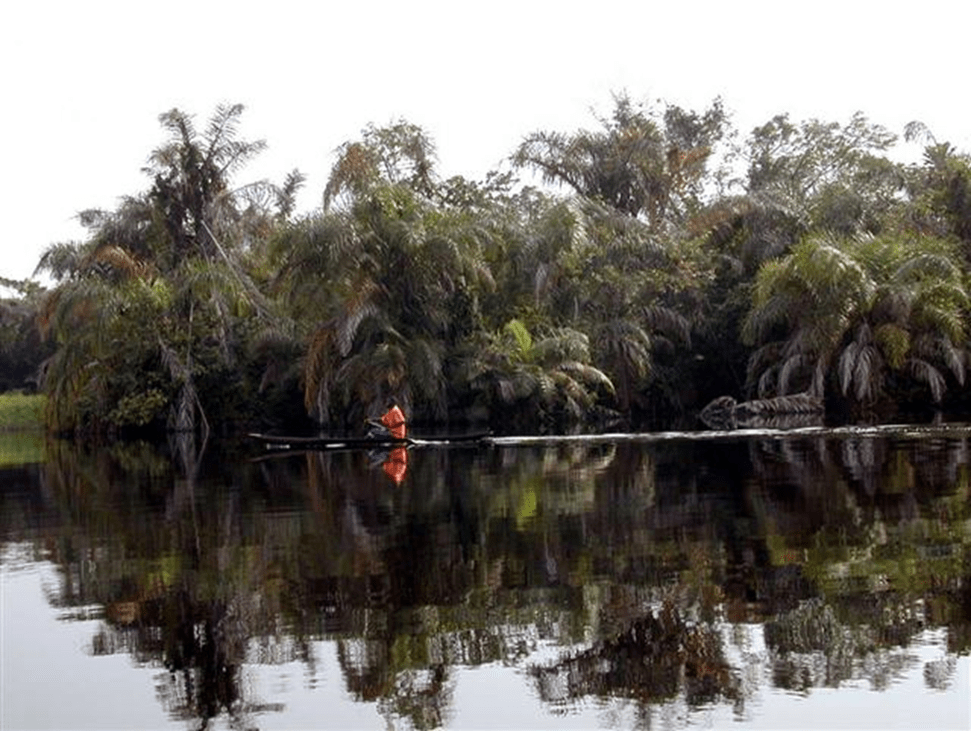
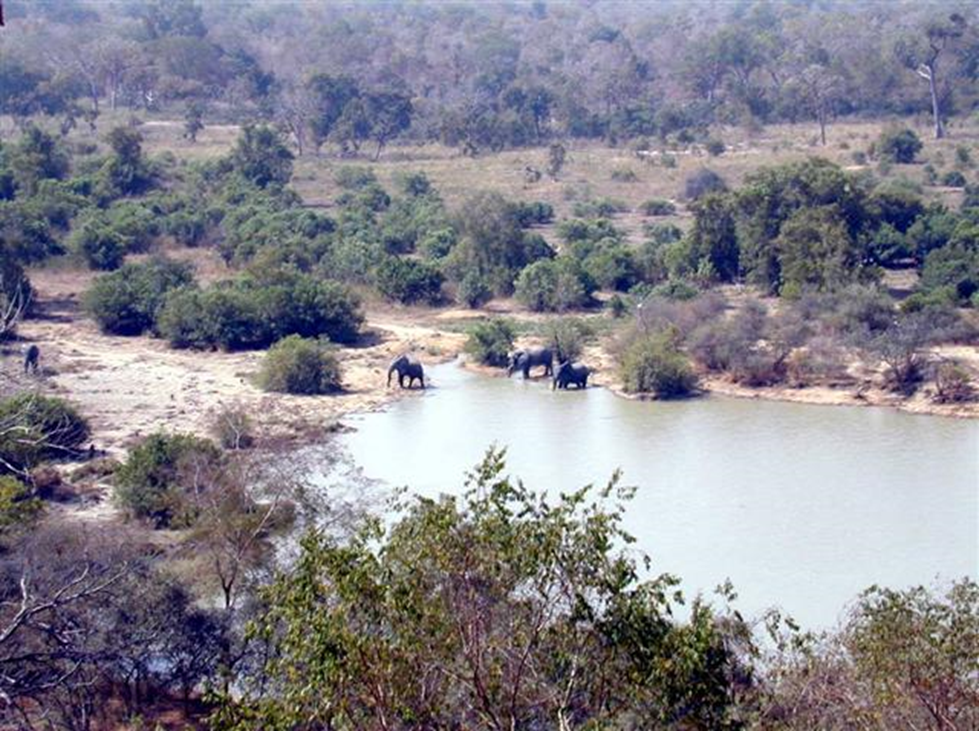


End Show
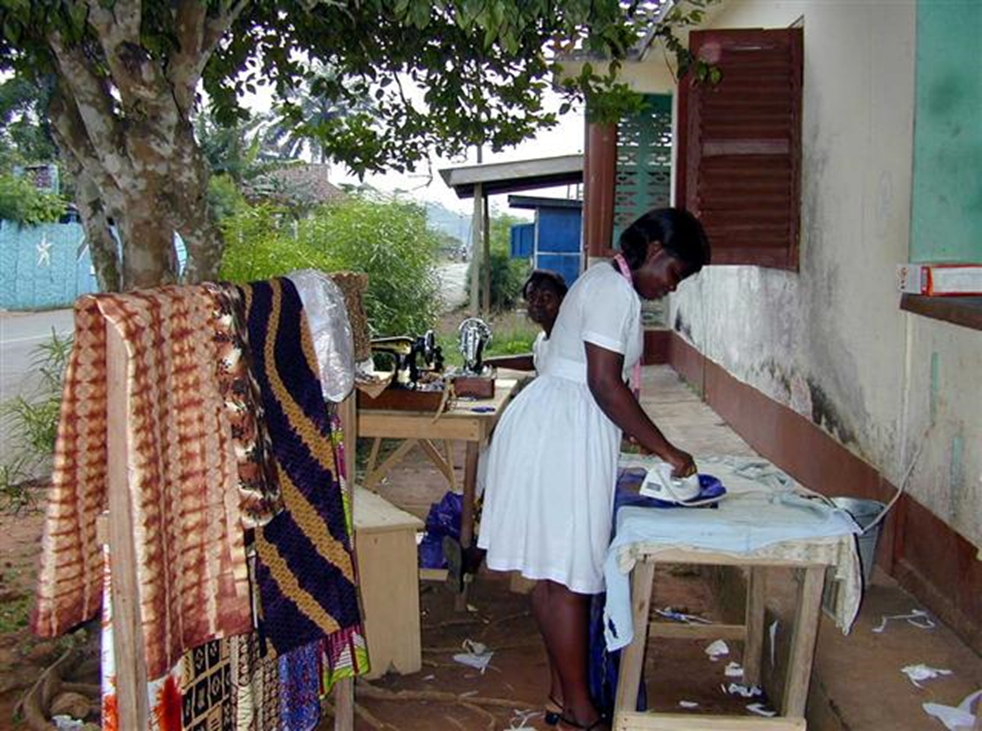
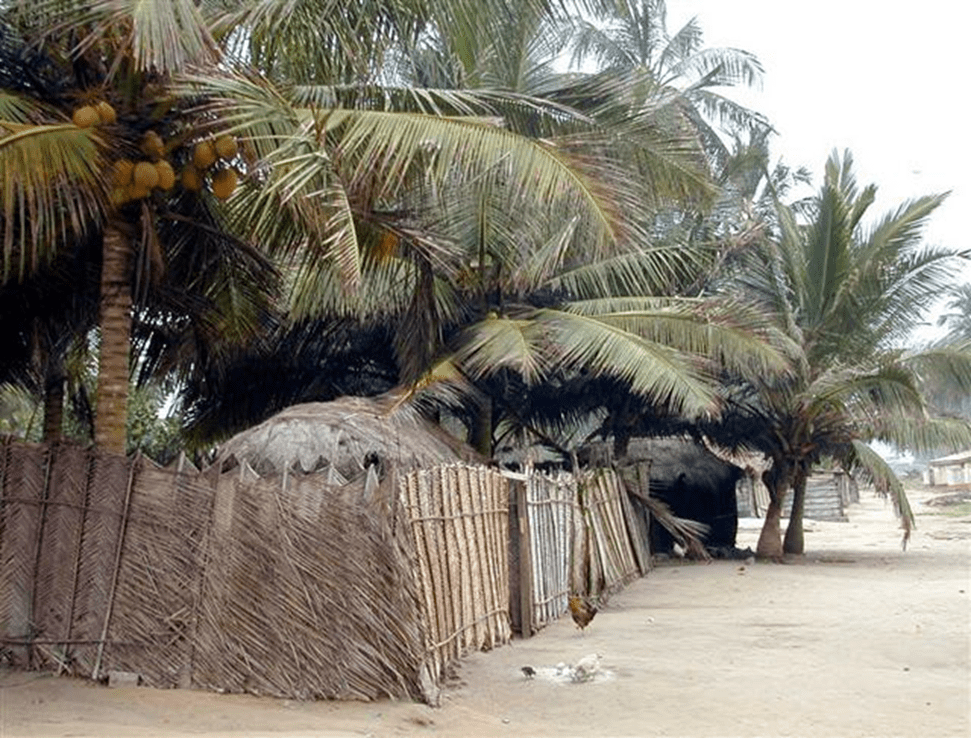
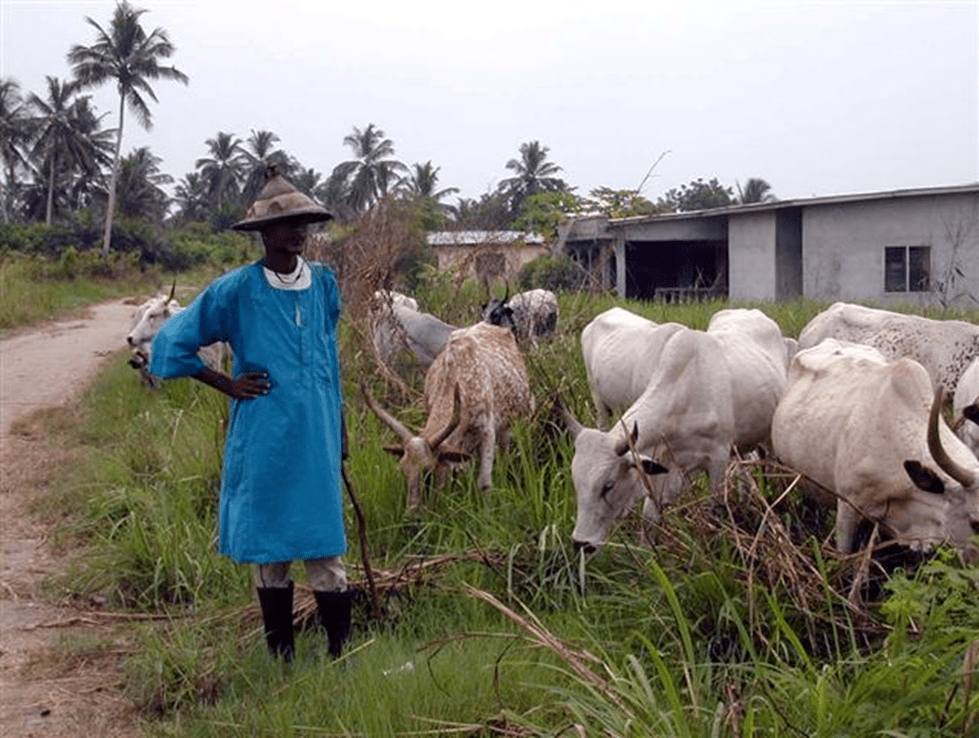
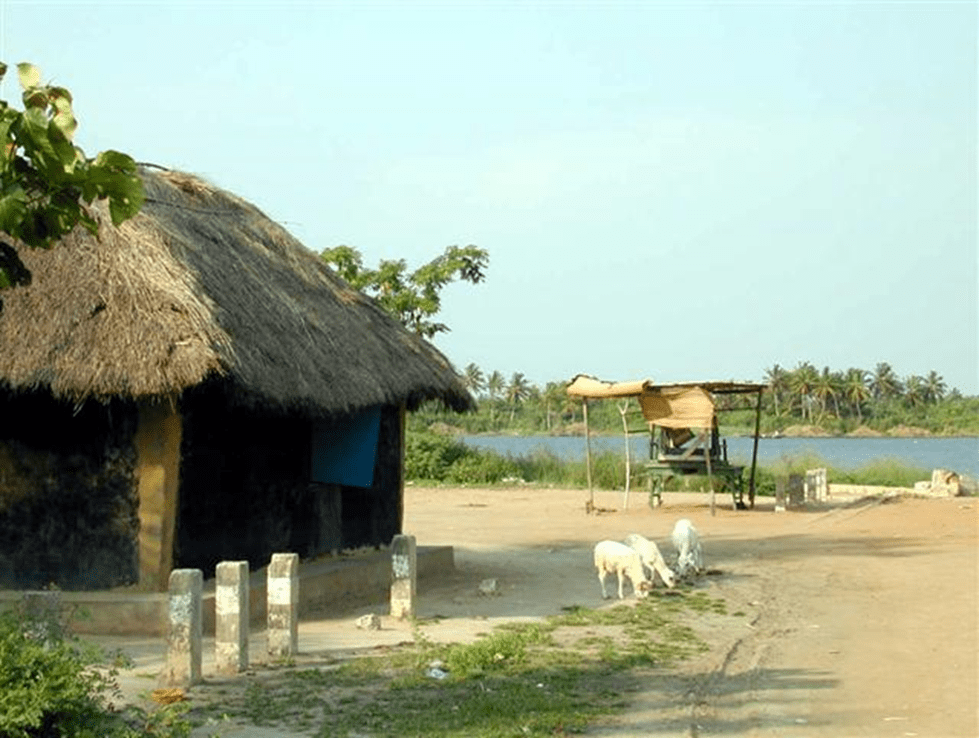
Pictures taken from the PowerPoint presentation “Ghana”. The author was not identified!
Ghana

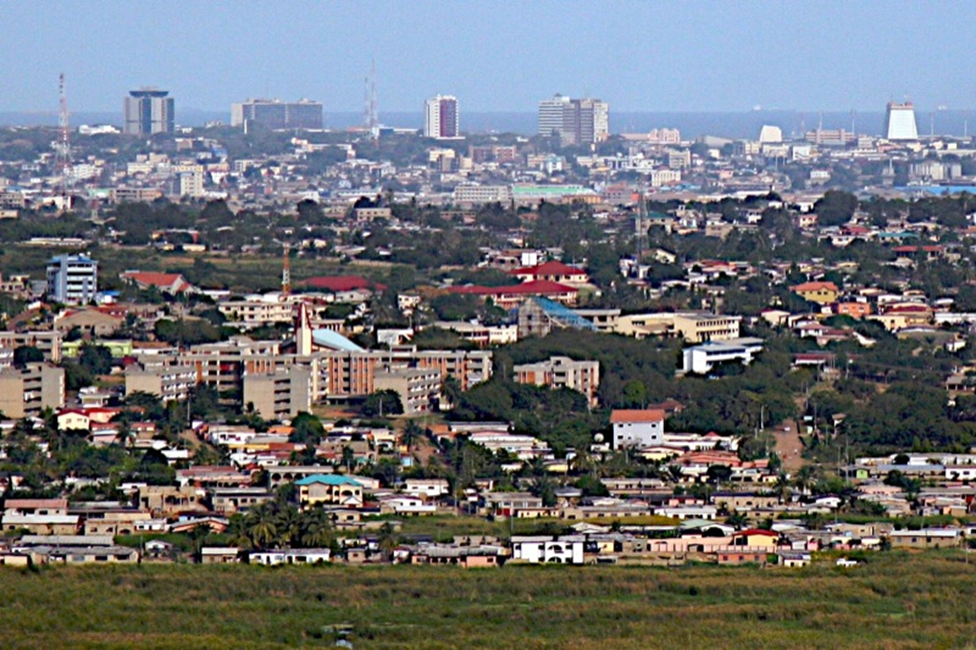



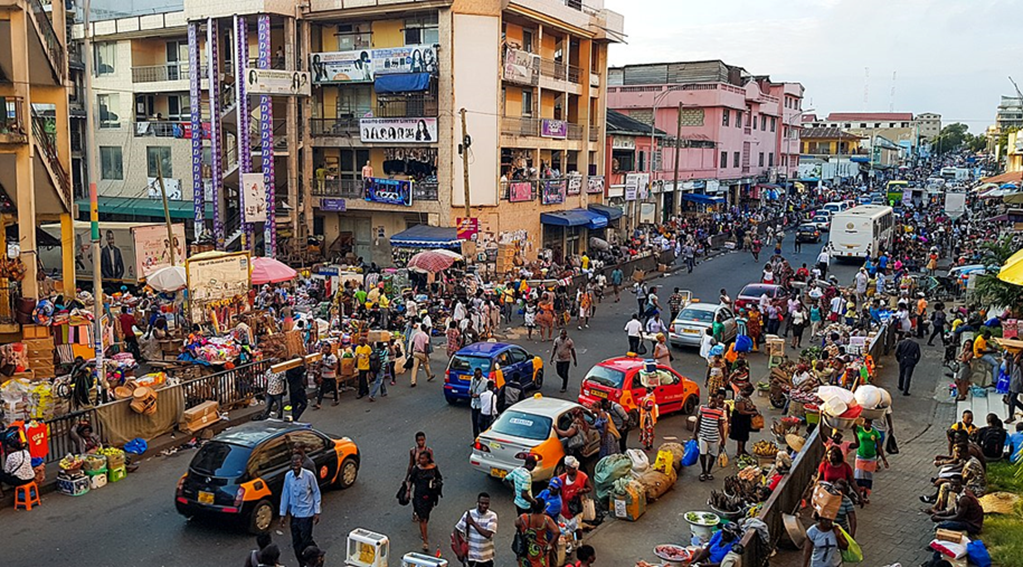
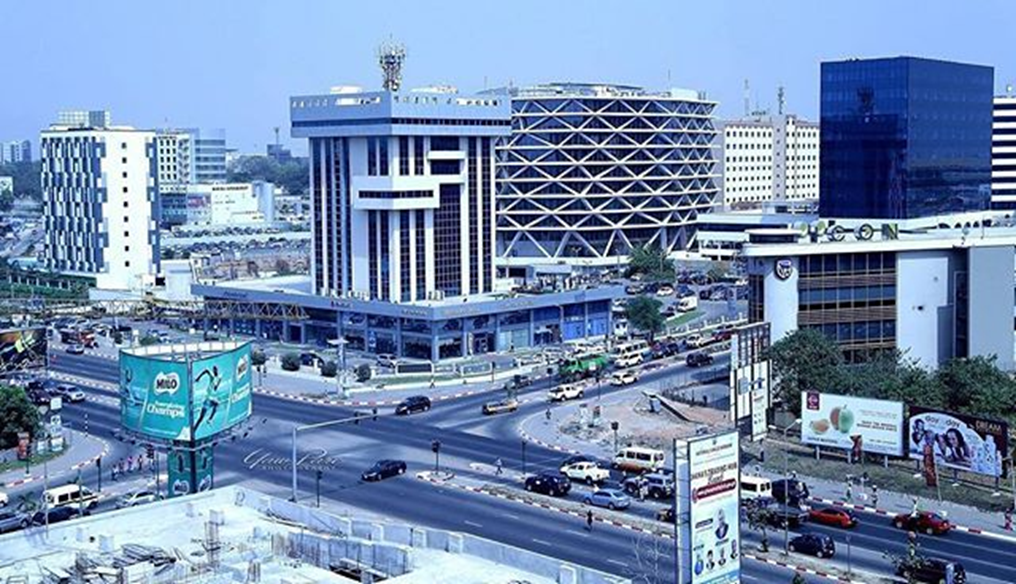

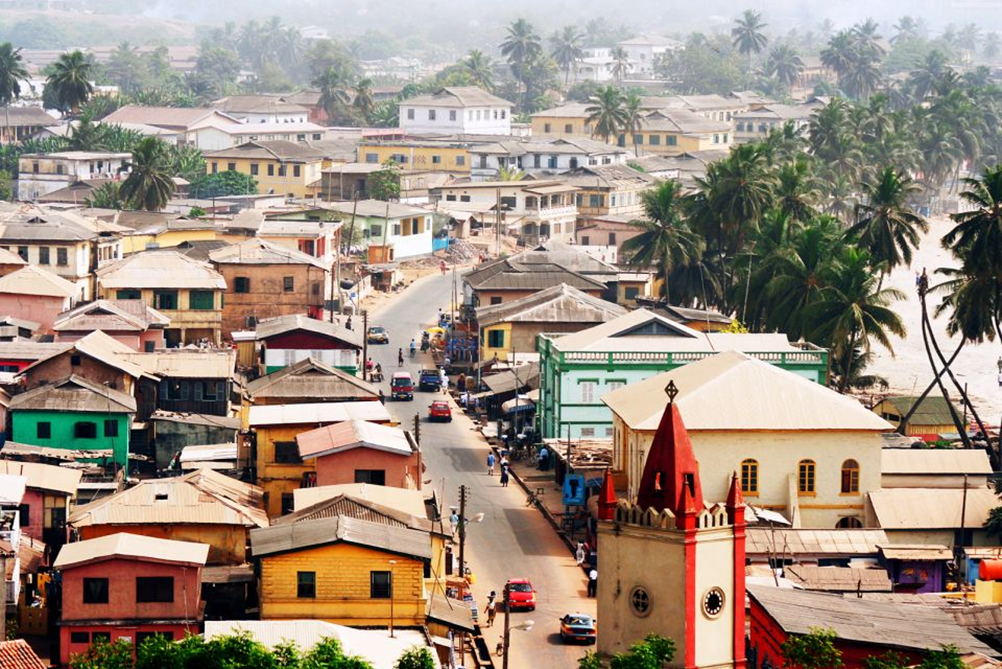

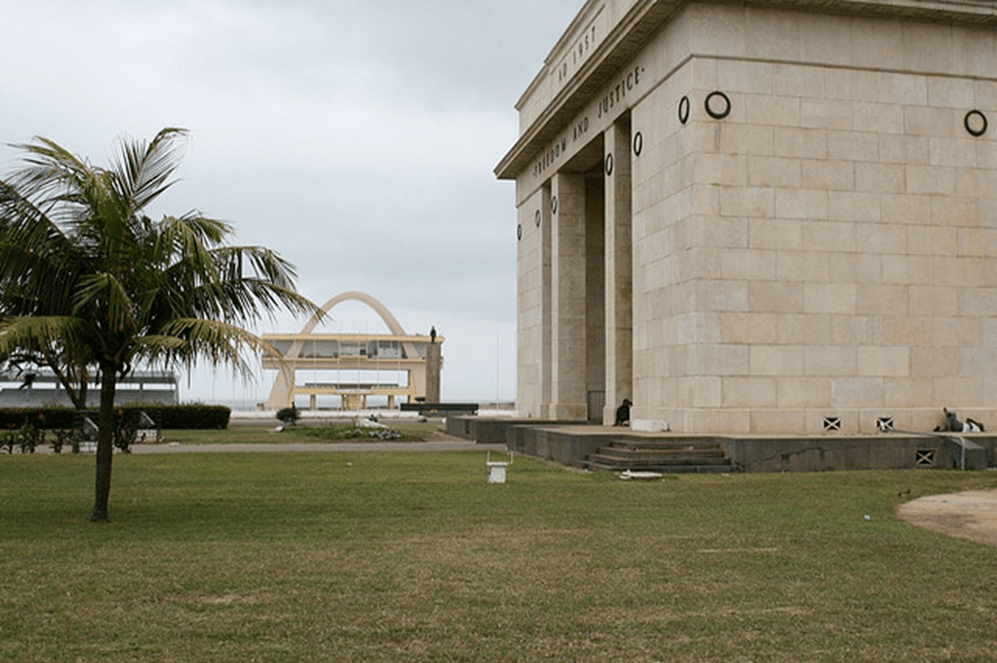
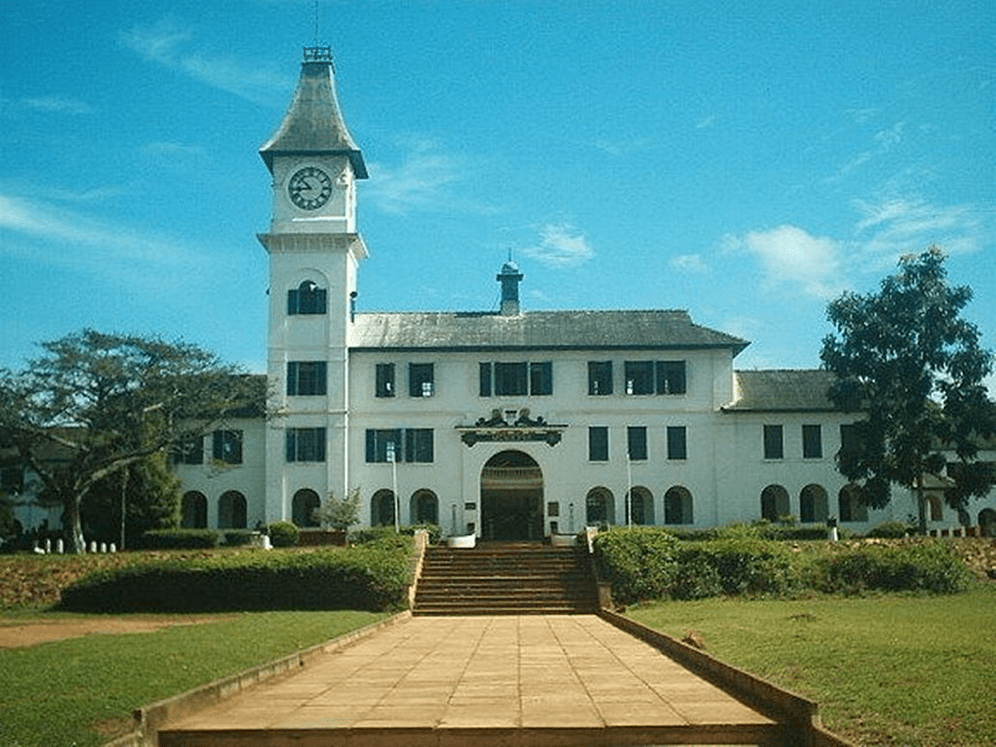
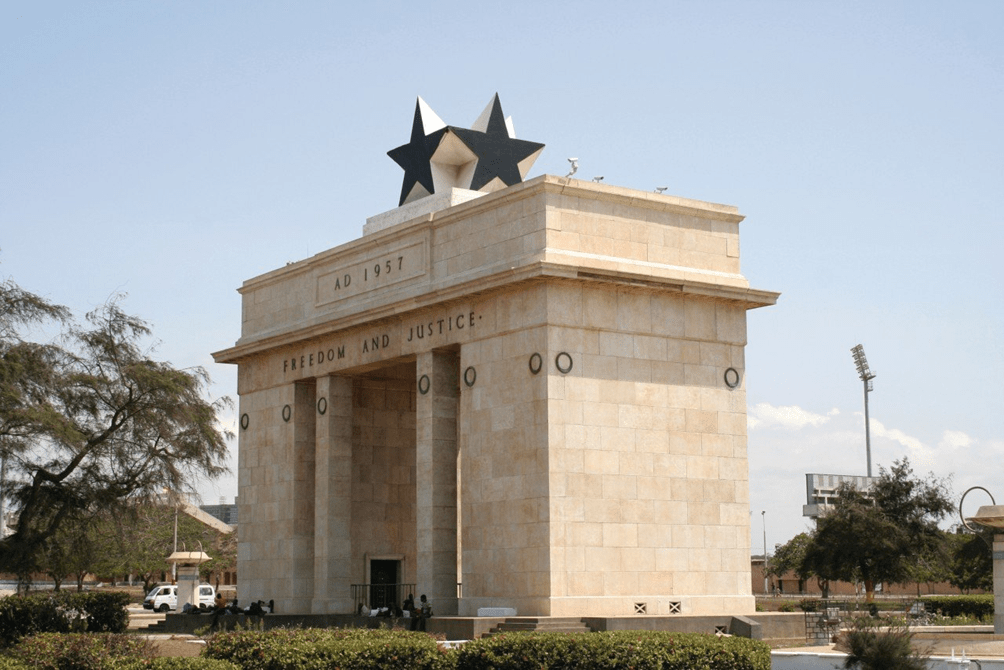


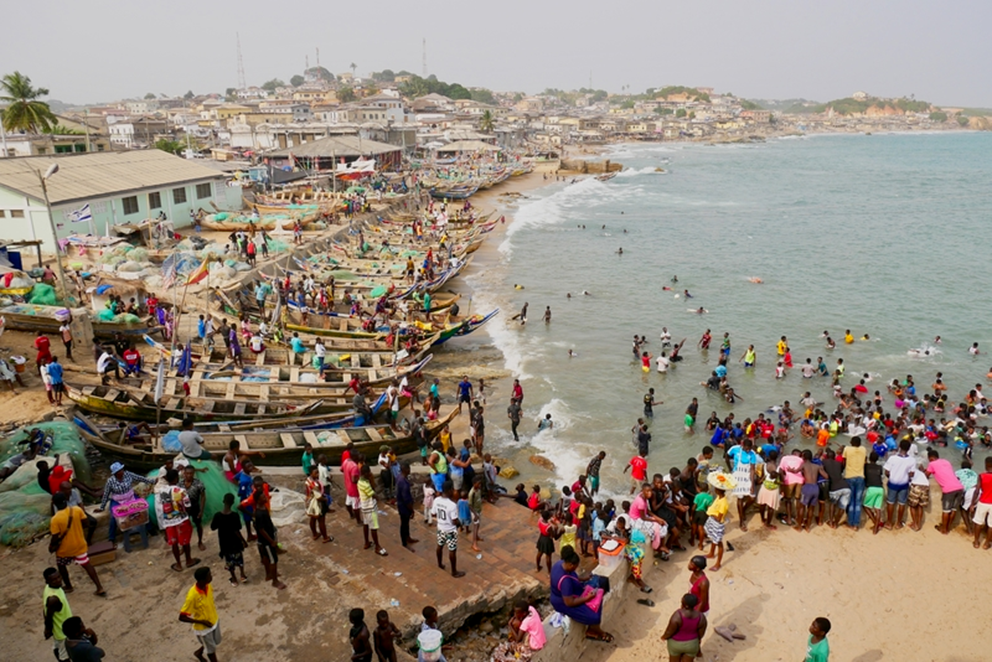

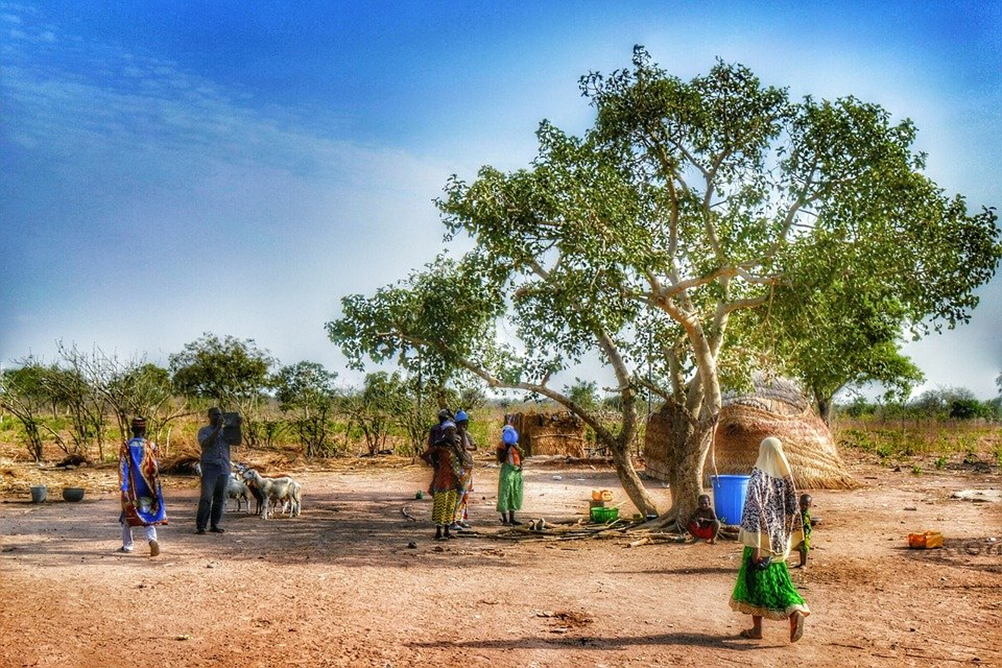
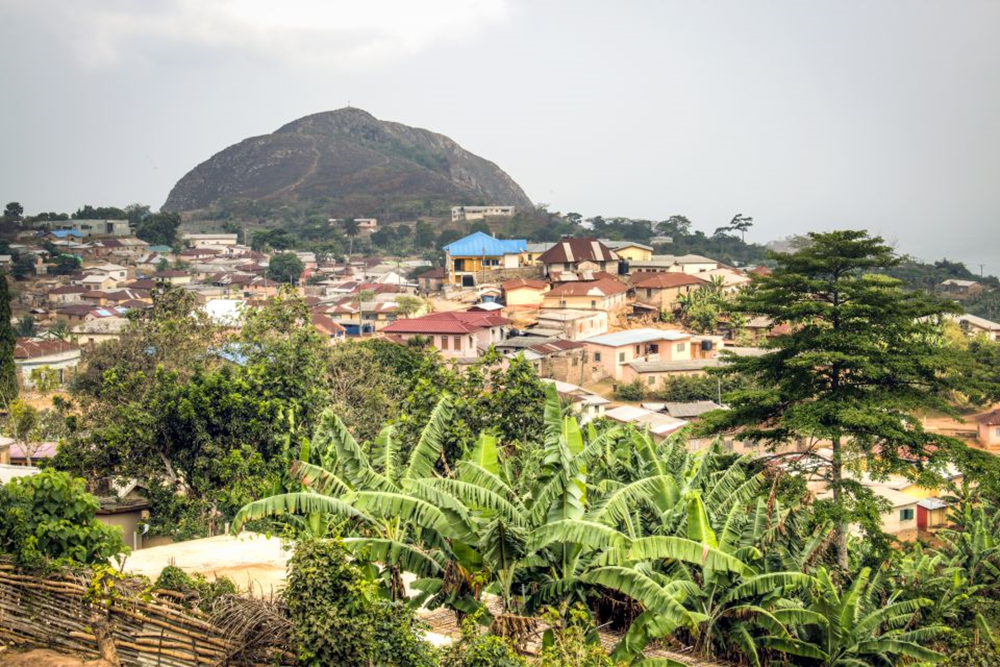
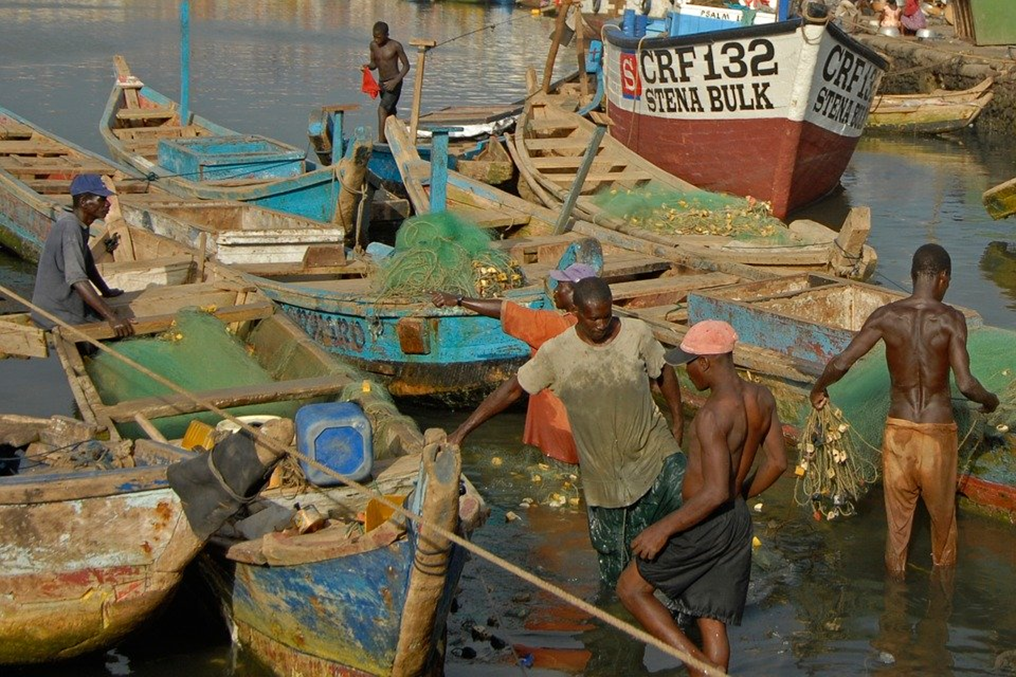
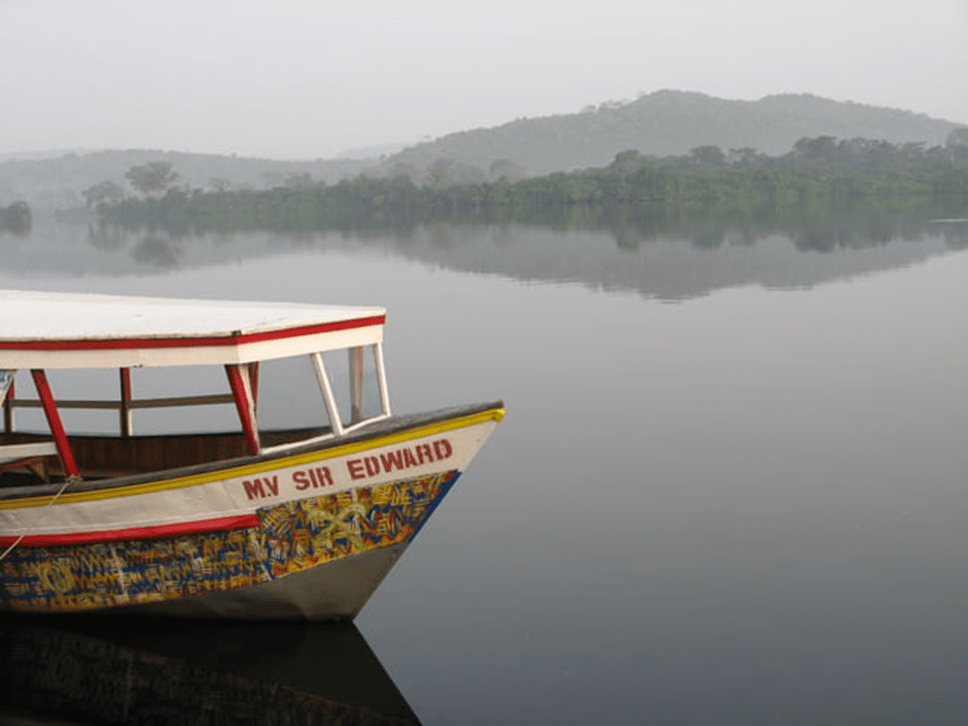

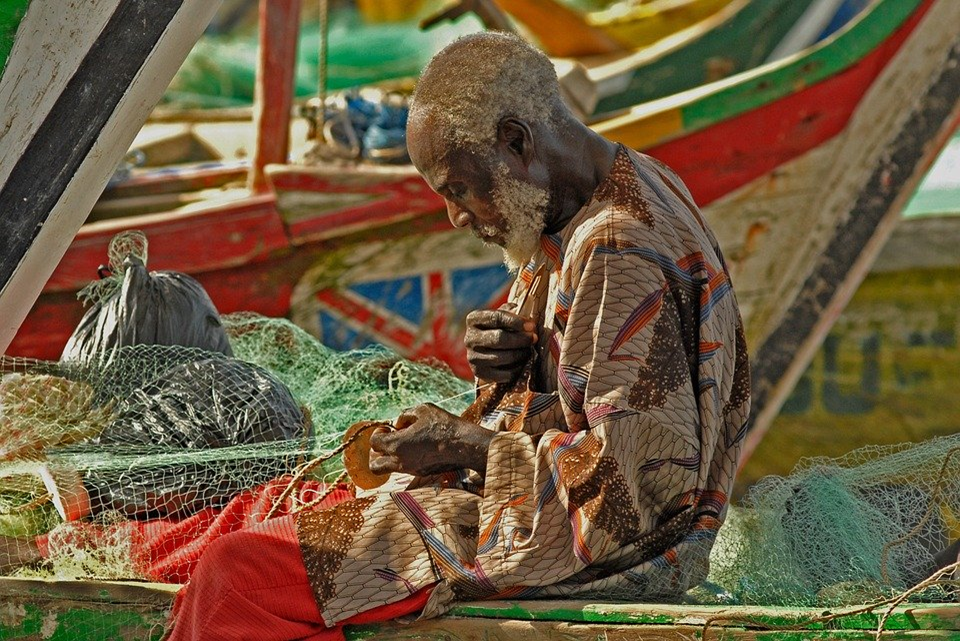

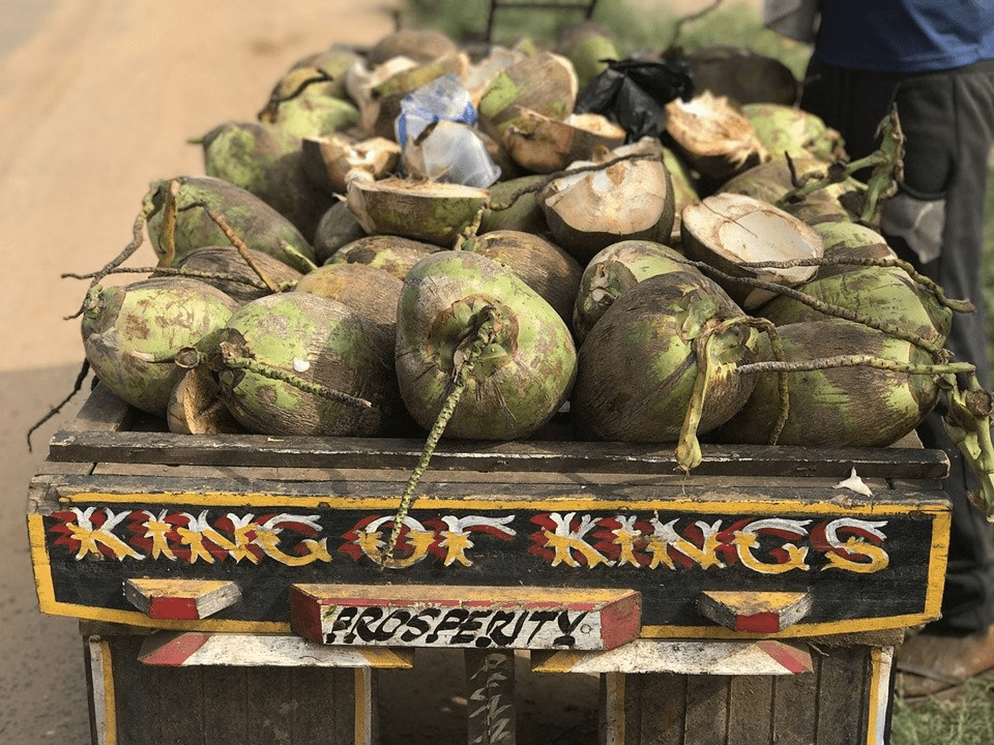
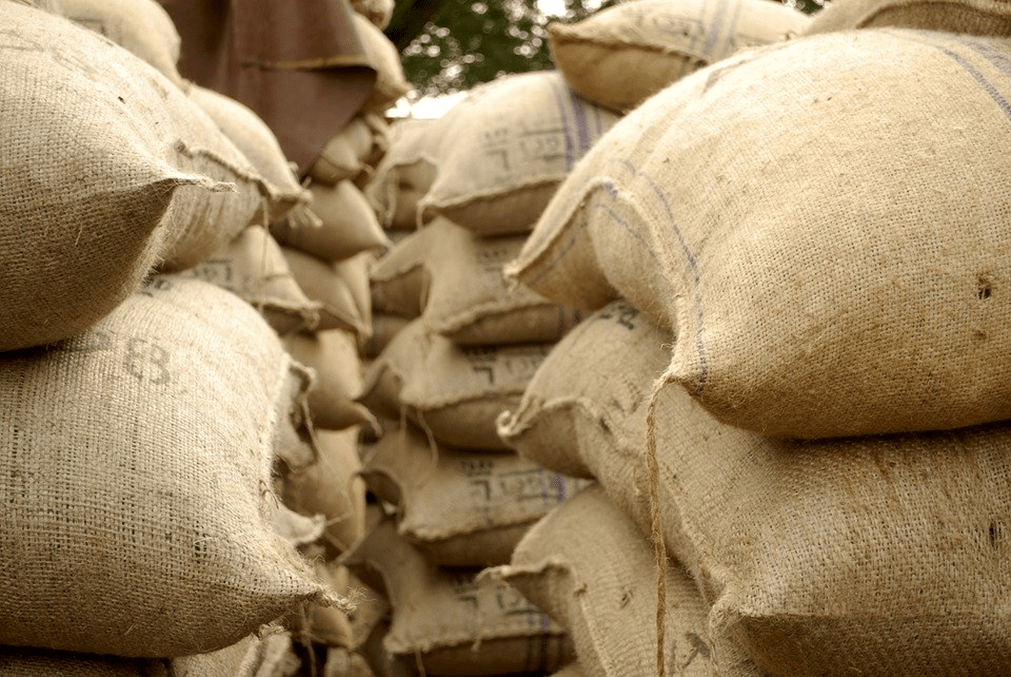
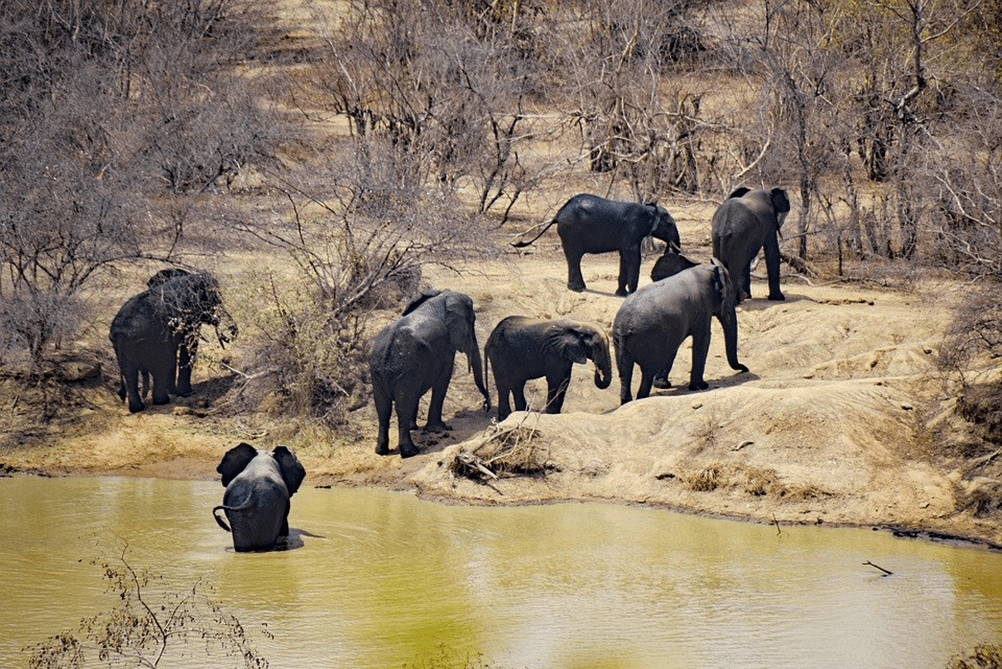


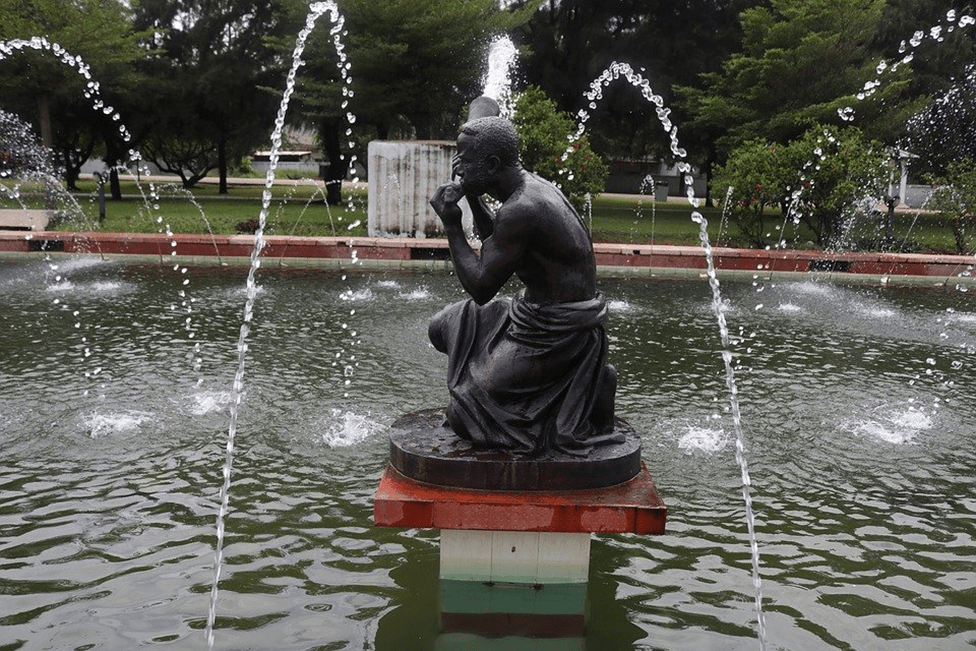




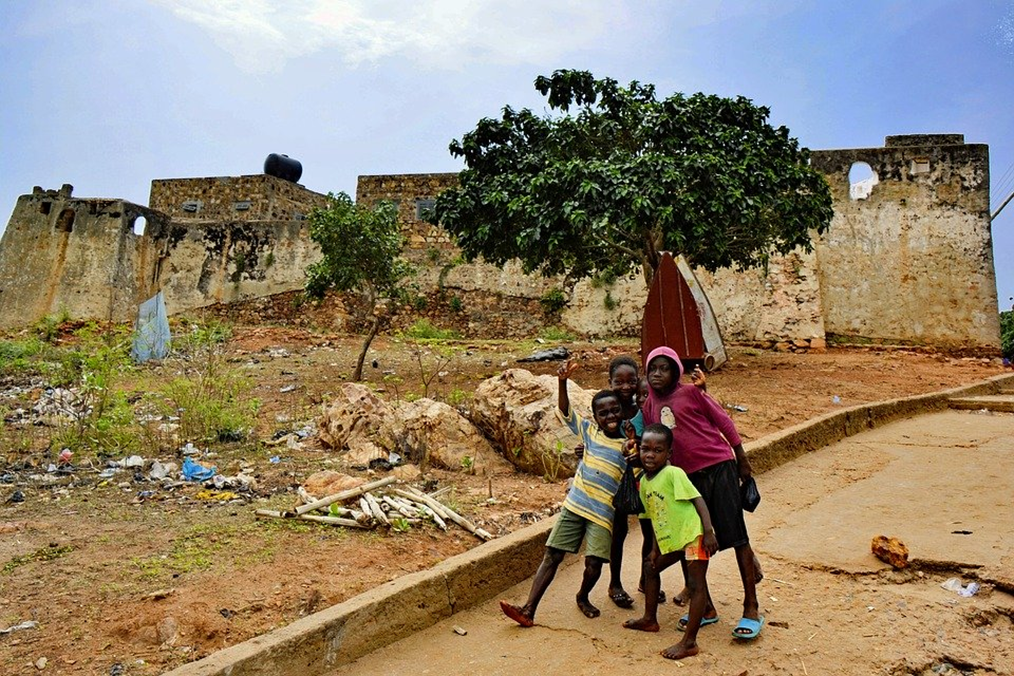


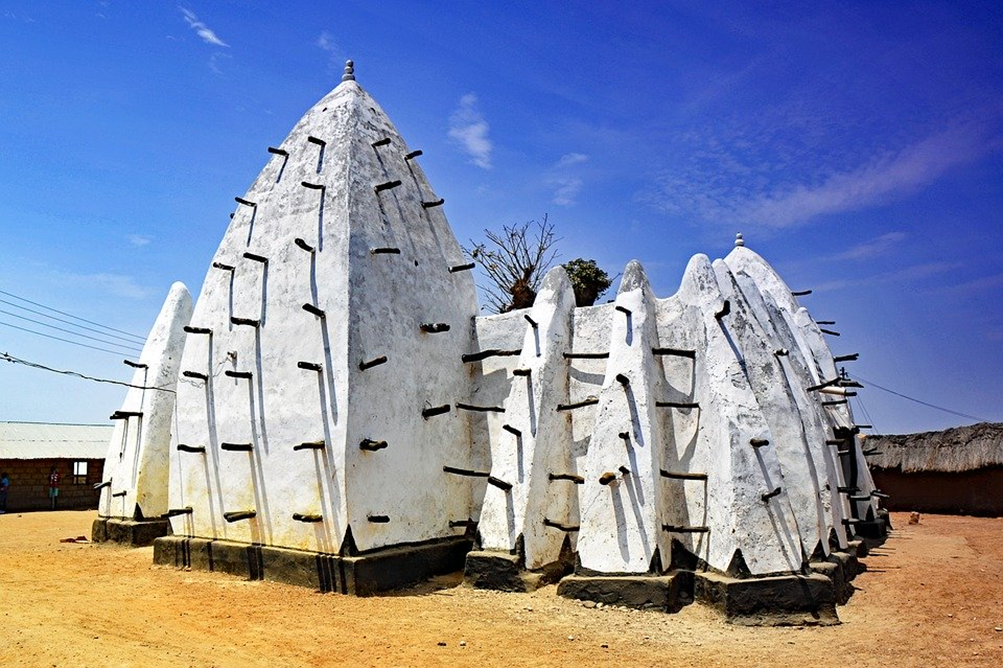
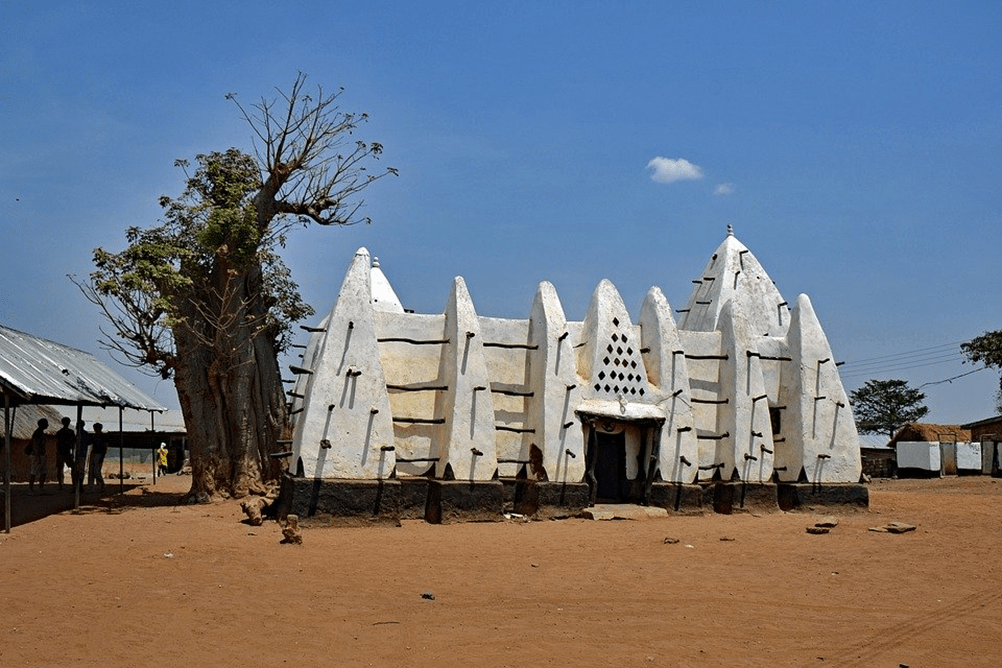
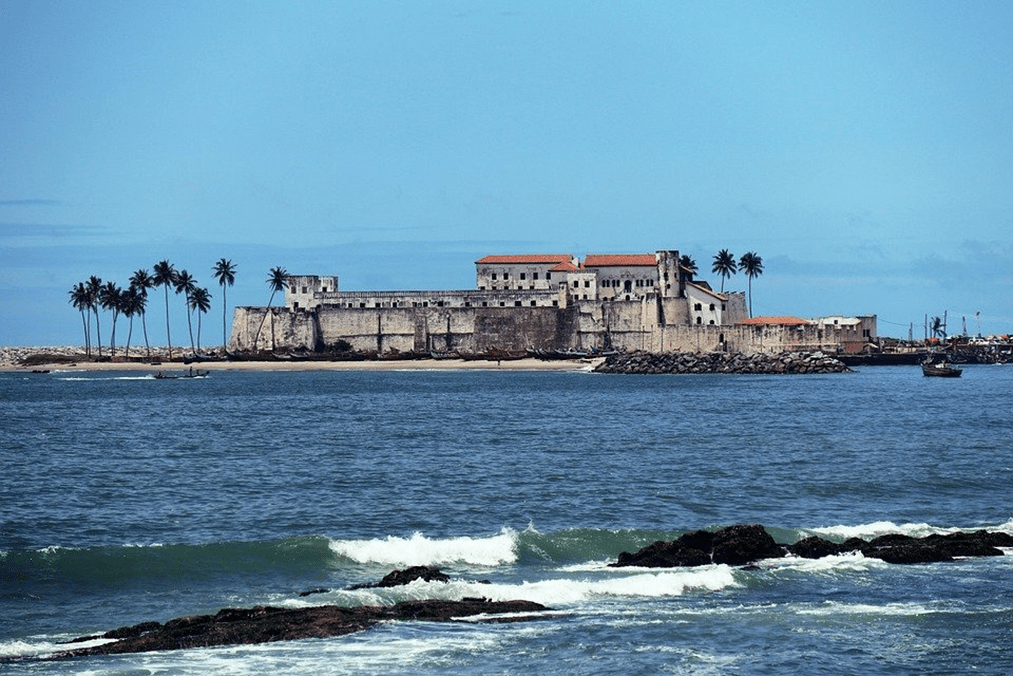
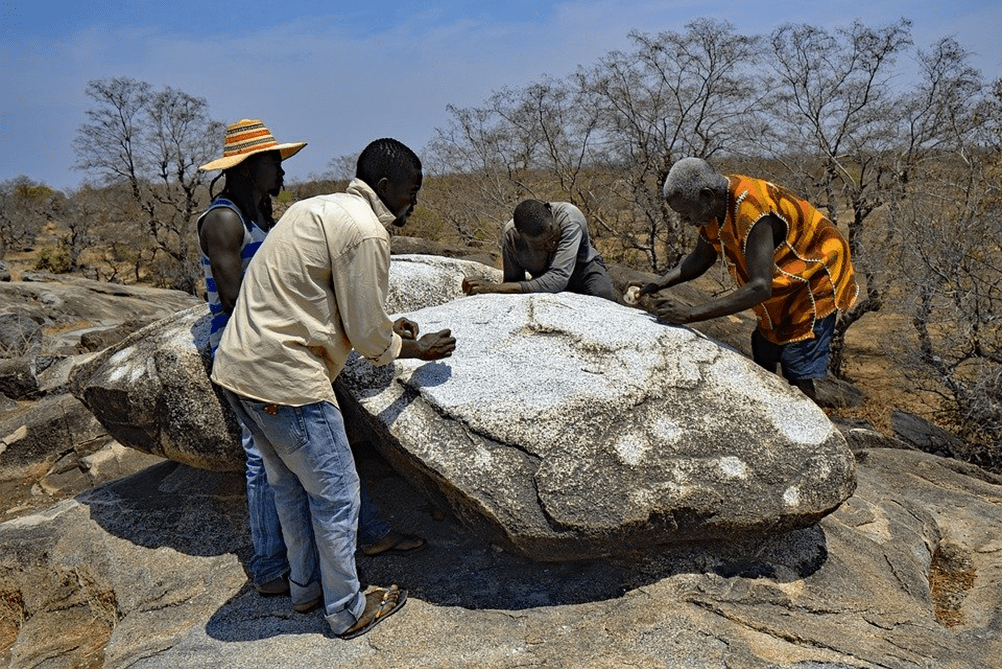
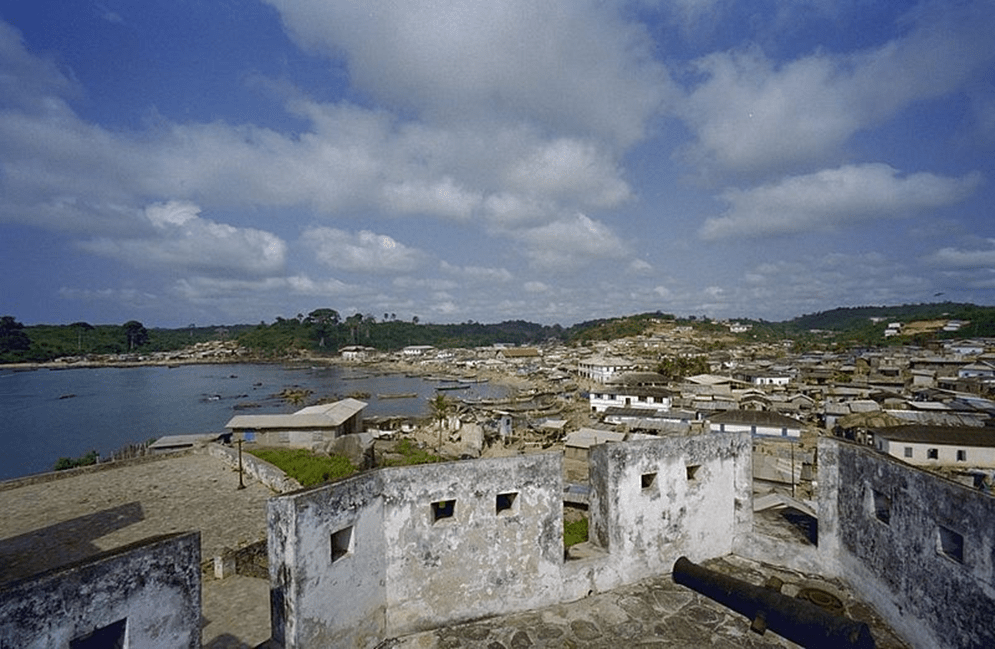

The end
Pictures from Internet. Based on ppt presentation “Le Ghana”, which its author is not identified.
“Pride and vanity” by Fernando Pessoa
Poetry and poem by Fernando Pessoa. Fernando António Nogueira Pessoa (1888 — 1935) was a Portuguese poet, philosopher, playwright, essayist, translator, advertiser, astrologer, inventor, entrepreneur, business correspondent, literary critic and political commentator. One of the greatest poetic geniuses in all of our Literature and one of the few Portuguese writers known worldwide. His poetry turned out to be decisive in the evolution of all Portuguese poetic production in the 20th century. If the Symbolist heritage is still notorious in him, Pessoa went further, not only with regard to the creation (and invention) of new artistic and literary attempts, but also with regard to the effort at theorization and literary criticism. He is a universal poet, insofar as he gave us, even with contradictions, a simultaneously multiple and unitary vision of Life. It is precisely in this attempt to look at the world in a multiple way (with a strong substrate of rationalist philosophy and even oriental influence) that lies a plausible explanation for having created the famous heteronyms – Alberto Caeiro, Álvaro de Campos and Ricardo Reis, not to mention with the semi-heteronym Bernardo Soares.
https://www.youtube.com/channel/UC2Y0c0O3obkeIGgEjxiHl8A/join
 Estranged Blog